Recent Posts Archives - Page 8 of 21 - AACS Counseling

FMCSA Phase II 2026: Protect Your CDL from Downgrade

Welcome back to AACS. Today, we’re diving into an issue that’s putting the livelihoods of thousands of commercial drivers at risk. The FMCSA Clearinghouse Phase II rules are now fully in effect as of 2026, and the grace period is over. If your status in the system is marked as “Prohibited,” you will automatically lose your CDL.

State Driver Licensing Agencies (SDLAs) are enforcing these rules strictly, and time is not on your side. The only way to get back behind the wheel is through an official DOT SAP program. Every day you delay puts your career in jeopardy. Let’s break down what these changes mean for you and how you can take action now to save your job.

What is FMCSA Clearinghouse Phase II?

The Federal Motor Carrier Safety Administration (FMCSA) created the Drug and Alcohol Clearinghouse to improve road safety. Phase I required employers to report violations of drug and alcohol policies and conduct pre-employment checks. Phase II, fully effective as of 2026, closes the final loophole in the system.

Previously, drivers with a “Prohibited” status could retain their Commercial Driver’s License (CDL) in certain states until it was time for renewal. Those days are over. Under the new regulations, SDLAs are now required to check the Clearinghouse before issuing, renewing, transferring, or updating a CDL.

The “Prohibited” Status and Automatic Downgrades

Even more concerning is the active downgrade rule. If your name appears in the Clearinghouse with a “Prohibited” status, your SDLA is automatically notified. By law, they must downgrade your CDL, effectively removing your ability to operate commercial vehicles.

Once downgraded, your Commercial Motor Vehicle (CMV) privileges are revoked until you fully complete the Return-to-Duty (RTD) process. A downgrade means you can’t work—no truck, no income. For many drivers, this leads straight to financial hardship unless they act immediately.

The 60-Day Countdown Has Begun

When the SDLA is notified of your “Prohibited” status, a strict clock starts ticking. In most states, you have a maximum of 60 days before the downgrade becomes permanent and irreversible. The 60-day window doesn’t wait, and the bureaucracy won’t slow down for you.

Once your CDL downgrade is finalized in the system, restoring it becomes incredibly complex and expensive. You’ll not only need to complete the DOT SAP program but also deal with your local licensing agency, pay additional fees, and possibly retake exams. The longer you wait, the harder it will be to get back on the road.

Return-to-Duty (RTD) Process: Your Only Path Back

If you failed a drug test or refused one, there’s only one legal way to regain your driving privileges: completing the Return-to-Duty process under the supervision of a Substance Abuse Professional (SAP).

The process involves several key steps:

  1. Initial Evaluation: You’ll need to be assessed by a qualified DOT SAP.
  2. Recommendations: The SAP will assign education or treatment requirements.
  3. Follow-Up Evaluation: Once you fulfill these requirements, the SAP determines if you’re ready to return.
  4. RTD Test: You must pass a Return-to-Duty drug test.
  5. Follow-Up Testing: You’ll face unannounced testing over the following months or years.

The biggest challenge for many drivers? Taking that first step. The process can’t begin until your initial evaluation is logged in the Clearinghouse.

AACS Counseling: The Fastest Solution to Your Problem

When every day matters, you need a partner who understands the urgency. That’s where AACS Counseling comes in.

AACS Counseling specializes in helping drivers navigate this exact crisis. They know your livelihood is on the line, which is why they offer the fastest way to complete your initial evaluation and, most importantly, upload it to the Clearinghouse within 24 hours.

Why 24 Hours Makes All the Difference

The Clearinghouse system is fully digital and automated. Until your initial SAP evaluation is logged in the system, your status remains “Prohibited,” and the SDLA clock keeps ticking.

By working with AACS Counseling, you can speed up the process significantly:

  • Fast Scheduling: No waiting weeks for an appointment.
  • DOT-Qualified Experts: You’ll work with professionals who know the process inside and out.
  • Immediate Upload: Within 24 hours of your evaluation, your report is uploaded to the Clearinghouse. This signals to both authorities and potential employers that you’ve started the RTD process.

Protect Your Career

Your health and career go hand in hand. At AACS, we always emphasize the importance of taking responsibility for your body and mind. A DOT violation is a setback, but it doesn’t have to end your career.

The FMCSA Clearinghouse Phase II rules are strict but provide a clear path to rehabilitation. The responsibility now lies with you to act before your CDL is permanently downgraded.

Act Now

Don’t ignore the problem. The SDLA’s automated system doesn’t make exceptions. If you’re marked “Prohibited,” you need to take immediate action.

Leverage the expertise of AACS Counseling to complete your evaluation quickly. Time is running out. Save your CDL, protect your income, and get your life back on track. Contact a DOT-qualified SAP today and stop the countdown before it’s too late.


Court-Ordered Evaluations for Probation Violations

Violating probation can feel overwhelming and stressful. When a court or probation officer suddenly mandates a court-ordered evaluation, it’s natural to have questions. What does this mean for your future? Will your probation be revoked? At aacscounseling.com, we’re here to guide you with clear and reliable information to help you navigate this difficult time.

A court-ordered evaluation isn’t necessarily the end of your probation. Instead, it’s a tool used by the court to better understand your current circumstances and determine if additional support may be needed. In this article, we’ll explain the purpose of these evaluations, how the process works, and how the outcome could impact your probation.

The Purpose of a Probation Violation Evaluation

When you violate a probation condition—whether by missing an appointment, failing a drug test, or facing new legal trouble—a judge must decide what happens next. Instead of immediately imposing a sentence, courts often request a professional evaluation.

The main goal is to identify the root cause of the violation. Was there a relapse into substance use? Are there underlying mental health concerns? To gain a full understanding of this legal tool, we recommend reviewing this comprehensive guide to court-ordered evaluations. These evaluations help judges make informed decisions and create a plan to keep you on track.

Types of Court-Ordered Evaluations

The type of evaluation required depends on the nature of your original offense and the specifics of the probation violation.

Substance Abuse Evaluations

If your violation involves drugs or alcohol, the court will typically require a substance abuse evaluation. The evaluator will assess your patterns of use and the risk of relapse. For more details on what evaluators look for, check out this article on substance abuse evaluations.

In cases like DUIs, there may be specific requirements. If this applies to you, read about what to expect from a DUI substance abuse evaluation.

Mental Health Evaluations

Sometimes emotional or mental health challenges contribute to probation violations. In these cases, the court may order a mental health evaluation to determine if therapy, counseling, or medication is needed to prevent further violations. Learn more about court-ordered mental health evaluations.

What Happens During the Evaluation Process?

Many people feel nervous ahead of their evaluation, but the process is often less intimidating than expected. Typically, it involves a standardized interview with a licensed evaluator.

The process generally includes an in-depth personal interview and completing questionnaires. The evaluator wants to hear your perspective, so honesty is crucial. If you want a detailed breakdown of the process, take a look at this guide: What Happens During a Court-Ordered Evaluation?.

Preparing for your evaluation can make a big difference. Knowing the types of questions you might be asked can help ease your nerves. Evaluators, probation officers, and judges often focus on similar topics. This list of 100 questions often asked by judges, probation officers, and attorneys is a great resource to get started.

How Does the Outcome Affect Your Probation?

The evaluator’s report plays a key role in determining the court’s next steps. The report includes not only a diagnosis but also specific recommendations for action.

If the evaluator finds you pose a high risk of reoffending, this could lead to probation revocation. However, in most cases, the evaluation results in adjusted probation conditions, such as:

  • Required participation in a rehab program
  • Regular therapy or counseling sessions
  • Stricter monitoring by your probation officer
  • Enrollment in anger management classes

Since legal implications can be complex, it’s worth reviewing this complete legal guide to court-ordered evaluations for better understanding.

How to Find a Certified Evaluator

Meeting the court’s requirements starts with choosing a licensed, court-approved evaluator. It’s important to act quickly, as deadlines for submitting evaluations are often tight.

If you’re unsure where to start, this article outlines how to find a court-ordered evaluation near you.

Requirements vary by state, so it’s essential to select a provider familiar with local laws. Use this national directory and state-by-state guide to find trusted evaluators. This nationwide guide for all 50 states and major U.S. cities is another excellent resource.

Still Have Questions?

Facing a probation violation can be stressful, and it’s normal to have many questions about the evaluation process. At aacscounseling.com, we encourage you to stay informed and not let fear take over. For more information and quick answers, check out these frequently asked questions about court-ordered evaluations.

Final Thoughts: Take Action

A court-ordered evaluation for a probation violation is serious, but it can also be an opportunity. It’s a chance to demonstrate accountability and commitment to personal growth. Use the resources provided, contact a licensed evaluator promptly, and approach the process with honesty and preparation. By doing so, you can set yourself up for a positive outcome. Stay focused—your team at aacscounseling.com wishes you strength as you take the next steps.

What Happens During a Court-Ordered Evaluation?

Receiving a letter from the court can be nerve-wracking. When a judge orders a court-ordered evaluation, it’s natural to have questions. What will they look into? Who conducts the evaluation? And most importantly, how will it affect your future? At aacscounseling.com, we understand how important it is to stay calm and balanced during stressful times while maintaining a sense of control over your body and mind.

A court-ordered evaluation doesn’t have to be a source of panic. It’s a structured process designed to help the court make the best decisions for everyone involved. In this article, we’ll walk you through what happens during a court-ordered evaluation, why it’s ordered, and how to best prepare for it.

What Is a Court-Ordered Evaluation?

A court-ordered evaluation is a professional assessment of your mental health, life circumstances, or potential substance-related issues. This process is formally mandated by a judge and conducted by a qualified specialist, such as a psychologist, therapist, or addiction counselor.

The purpose of the evaluation isn’t to punish you. Instead, it’s meant to give the court an objective, clear picture of your current situation. The evaluator provides insights into your mental health and makes recommendations for therapies or interventions if needed. For a deeper dive into the topic, check out this comprehensive guide to court-ordered evaluations.

Why Does the Court Order an Evaluation?

Judges are legal experts, not medical or psychological professionals. When a case involves emotional, psychological, or substance-related concerns, the court relies on expert evaluations to gain insight. Here are some common scenarios where a court might order an evaluation:

  • Custody Disputes: The court needs to ensure the child’s best interests are prioritized. Evaluations help assess the parenting capabilities of both parties.
  • Traffic Offenses (e.g., DUI): The evaluation determines if underlying substance abuse issues exist and whether therapy is needed before a license can be reinstated.
  • Criminal Cases: In certain offenses, psychological evaluations help determine if the defendant is fit to stand trial or if rehabilitation is a better alternative to traditional punishment.
  • Workplace Conflicts: Employers may request evaluations after specific incidents to assess an individual’s fitness for work.

What to Expect During the Evaluation Process

Many people picture a court-ordered evaluation as a harsh interrogation, but it’s typically a professional and structured conversation in a calm setting. While the specifics can vary, the process generally includes three key steps:

1. The Initial Interview

The evaluation usually starts with an in-depth one-on-one interview. The evaluator will ask you about your personal history, current circumstances, and the incident that led to the court order. It’s important to be honest and cooperative during this conversation. Evaluators are trained to detect inconsistencies, so focus on sharing your perspective and maintaining transparency. This step helps the evaluator understand your mental state and overall situation.

2. Questionnaires and Standardized Tests

In addition to the interview, you may be asked to complete standardized tests or questionnaires. These tools provide the evaluator with an objective understanding of your mental health, habits, or substance use patterns. Take your time and answer the questions as accurately as possible.

3. The Final Report and Recommendations

After gathering all the necessary information, the evaluator prepares a detailed report. This report is sent directly to the court or your legal counsel. It includes the results of your tests and interview, along with specific recommendations. The court uses this report to determine the next steps, which could involve therapy, anger management classes, or custody arrangements.

Finding the Right Support

Selecting the right provider for your evaluation is critical. You’ll need an expert who is recognized by the court and can handle the process professionally and efficiently.

For assistance with coordinating your evaluation or to learn about available services, contact the AACS Service Center. Their experienced team can guide you through every step of the process.

If you’re located in a different state or city and need to quickly find an approved provider, don’t worry. Use this nationwide guide for court-ordered evaluations to find a certified facility near you, no matter where you are in the U.S.

Conclusion: Preparation Is Key to Staying Calm

A court-ordered evaluation may feel intimidating at first, but understanding the process can help ease your concerns. Approach the evaluation as an opportunity to bring clarity to your current situation.

Gather all necessary documents, show up on time for your appointments, and cooperate fully with the evaluator. With the right mindset and professional support, you can navigate this step successfully and focus on moving forward. Use the resources above to schedule your evaluation and take control of the process today.

DUI Substance Abuse Evaluation: What to Expect

Facing a DUI charge for driving under the influence of alcohol or drugs comes with significant legal and personal challenges. One common court requirement in such cases is a substance abuse evaluation. If you’ve been ordered to complete one, you’re probably wondering what to expect.

we aim to simplify complex topics and provide clear, practical information. In this guide, we’ll explain the purpose of a DUI evaluation, walk you through the process, and share helpful tips to prepare for your appointment.

The Purpose of a DUI Evaluation

A DUI substance abuse evaluation is not about passing judgment on you. Instead, it provides the court and authorities with an objective, professional assessment of your situation. The primary goal is to determine whether there’s an underlying issue with alcohol or drug use that needs to be addressed.

Based on the evaluation, the judge may recommend next steps, such as enrolling in an education program, attending therapy, or participating in other rehabilitative measures. Ultimately, the aim is to improve road safety and prevent future incidents.

The Process: What Happens During the Evaluation?

The idea of a psychological evaluation can be intimidating, but understanding the process can make it much less stressful. A DUI evaluation typically consists of three main steps:

1. Reviewing Your Documents

The evaluator will begin by reviewing all relevant paperwork, including the police report from your DUI case, your driving record, and any medical records if applicable. These documents provide a foundation for the session and help the evaluator better understand the context.

2. Completing Standardized Questionnaires

You’ll be asked to fill out one or more standardized forms designed to assess your alcohol consumption, drug use, and overall mental health. These evidence-based questionnaires help gather important insights. Be honest and consistent when completing them.

3. The Personal Interview

The main part of the evaluation is a one-on-one conversation with a licensed counselor. They’ll ask questions about your lifestyle, stress levels, family background, and the specific incident that led to your DUI charge. Stay open and cooperative during this discussion. Any inconsistencies between your answers, the documents, and the questionnaires are likely to be noticed.

Tips for Successful Preparation

Proper preparation can help ensure the process goes smoothly:

  • Be punctual: Arrive on time to make a good impression.
  • Bring all necessary documents: Make sure you have all required paperwork ready for the evaluator.
  • Be honest: Don’t try to hide information or make excuses. Evaluators are trained to spot inconsistencies.

Finding Resources and Professional Assistance

Organizing a DUI evaluation can feel overwhelming, but you don’t have to go through it alone. There are services available to help you book the right appointment and meet all the requirements.

We recommend reaching out to the AACS Service Center. Their dedicated team can assist you in finding a certified evaluator and navigating the process with ease.

For more in-depth information about court-ordered evaluations, check out the full guide Court-Ordered Evaluations: A Complete Guide by AACS Counseling. It provides valuable insights into all types of evaluations required by the court.

Conclusion

A DUI substance abuse evaluation is a structured process designed to help the court make informed decisions about your case and ensure public safety. By understanding what to expect, you can prepare effectively and take control of the situation. Use the resources available to you, cooperate with professionals, and take the first step today toward fulfilling your legal obligations.

How to Find a Court-Ordered Evaluation Near You

Going through a legal case often brings many uncertainties and challenges. One common requirement from judges or probation officers is a court-ordered evaluation. If you’ve been asked to complete one, you’re probably wondering how to quickly and easily find a qualified provider in your area.

Here at BODYTYPEN.DE, we focus on breaking down complex topics into clear, actionable advice. In this article, you’ll learn exactly what a court-ordered evaluation is, why it’s required, and get a step-by-step guide to help you navigate the process stress-free and find the right provider for your needs.

What Is a Court-Ordered Evaluation?

A court-ordered evaluation is a professional assessment requested by a judge, attorney, or other authority. It typically involves a structured interview and sometimes standardized tests, conducted by a licensed psychologist, therapist, or counselor. The goal is to provide an objective understanding of a person’s mental health, substance use issues, or overall lifestyle.

These evaluations play a critical role in many legal cases, helping the court make informed decisions. They’re not intended to judge you but to determine appropriate measures, support, or requirements. A professional evaluation provides the court with the facts it needs.

Why Is an Evaluation Required?

There are several reasons a court might order a professional evaluation. Most often, it’s to ensure the safety and well-being of everyone involved. In custody cases, for instance, the court may want to confirm that parents can provide a stable environment for their children.

Another common reason is traffic offenses, particularly driving under the influence of alcohol or drugs (DUI/DWI). Judges often require a substance abuse evaluation to determine whether a deeper issue exists and if therapy or specialized education is necessary. Courts also frequently request evaluations in cases involving domestic violence or as part of probation conditions.

Step-by-Step Guide: How to Find a Provider

Finding the right provider can feel overwhelming. With this step-by-step guide, you can approach the process systematically and meet all court deadlines without stress.

1. Understand the Court’s Requirements

Before beginning your search, make sure you understand exactly what type of evaluation is required. There’s a big difference between a general psychological assessment, anger management evaluation, and substance abuse evaluation.

Carefully read your court documents and note all specific requirements, such as deadlines or qualifications the evaluator must meet. If you’re unsure, consult your attorney or probation officer. Starting with the right information will save you time and money.

2. Look for Qualified Professionals

Not every therapist or counselor is authorized to provide court-approved evaluations. You’ll need a licensed professional with experience working within the legal system. Look specifically for providers in your area who offer these specialized services.

To make your search easier, we recommend checking out a national directory. Visit our helpful guide Court-Ordered Evaluation Near Me: National Directory. This resource provides a state-by-state overview to help you quickly find qualified providers near you.

3. Contact a Service Center for Support

Sometimes, the fastest way to find a provider is through a specialized service center. These centers often have networks of professionals and can connect you with someone who meets your specific legal requirements.

One great resource is the AACS Service Center. Their team specializes in guiding clients through the often-confusing process of fulfilling court requirements. They not only help you schedule an appointment but also ensure all documentation meets court standards.

4. Prepare for Your Appointment

Once you’ve scheduled your appointment, preparation is key. Gather all relevant documents in advance, including court orders, police reports, medical history, and possibly a list of medications you’re taking.

Be honest and cooperative during your session. The evaluator will ask detailed questions about your life, history, and the specific incident in question. Avoid withholding information, as inconsistencies can negatively impact your case. Punctuality and professionalism also make a positive first impression.

Next Steps

A court-ordered evaluation doesn’t have to be an overwhelming process. By understanding the requirements and knowing where to find qualified providers, you can complete this step smoothly.

Use the resources and links provided to schedule your appointment today. Act quickly to meet court deadlines and show the court that you’re taking your responsibilities seriously.

Court-Ordered Substance Abuse Evaluation: What the Court Is Looking For

Navigating the legal system is often overwhelming, especially when a judge or probation officer mandates a court-ordered substance abuse evaluation. Whether this requirement stems from a DUI, a drug possession charge, or a family law matter, the stakes are high. The results of this evaluation can significantly influence sentencing, probation terms, and even child custody arrangements.

If you have been told you need an assessment, your first step is likely searching for a “court ordered evaluation near me” to find a provider that the legal system trusts. At AACS Counseling, we provide comprehensive designed to satisfy judicial requirements while offering a clear path forward for the individual.

The Core Objective: Why the Court Mandates Evaluations

From a legal perspective, a substance abuse evaluation is a diagnostic tool. The court is not looking to punish you further through the evaluation itself; rather, they are looking for professional guidance on two specific fronts: public safety and rehabilitation.

When a judge reviews a report from a licensed clinician, they are looking for answers to three critical questions:

  1. Does this individual have a clinical substance use disorder (SUD)?

  2. What is the statistical likelihood that this individual will re-offend (recidivism)?

  3. What specific level of intervention is required to mitigate future risk?

5 Key Factors the Court Is Looking For in Your Report

A professional evaluation is much more than a simple interview. It is a structured assessment that results in a formal document. Here is exactly what the court expects to see in that report:

1. Clinical Credibility and Standardized Testing

The court will only accept evaluations performed by licensed professionals using validated screening tools. These may include the SASSI-4 (Substance Abuse Subtle Screening Inventory), the MAST (Michigan Alcohol Screening Test), or the DAST (Drug Abuse Screening Test). The court looks for “objective data” that goes beyond just what the client says during the interview.

2. A Comprehensive Life History

An evaluation is a “snapshot” of your life. The court wants to see a review of your medical history, employment status, family dynamics, and prior legal record. This context helps the judge understand if the current legal issue is an isolated event or part of a chronic pattern.

3. Assessment of Denial and Accountability

One of the most scrutinized sections of the report is the clinician’s observation of the client’s attitude. Are you minimizing the incident? Are you blaming others? The court looks for “insight”—the ability to recognize the problem and express a genuine willingness to change.

4. Verification of Collateral Information

A high-quality evaluation doesn’t just rely on the client’s word. The court looks for “collateral contact,” which involves the evaluator verifying information through the following:

  • Police reports and arrest records.
  • Driving records (MVR).
  • Drug testing results (urine or hair follicle).
  • Interviews with family members or employers (when applicable).

5. Level of Care Recommendations (ASAM Criteria)

The most important part of the evaluation for the judge is the recommendations section. Most courts prefer recommendations based on the ASAM (American Society of Addiction Medicine) Criteria. This ensures that the suggested treatment—whether it’s a 12-hour education class or an intensive outpatient program (IOP)—matches the actual severity of the issue.

Preparing for Your Appointment

Knowing what the court is looking for is only half the battle; you must also be prepared to provide the necessary information.

When you book yours, ensure you have the following ready:

  • A copy of the police report or citation.
  • Your current criminal history/driving record.
  • Contact information for your attorney or probation officer.

The Importance of Using a Recognized Provider

Searching for a “court ordered evaluation near me” often yields many results, but not all providers are created equal. If you submit a report from a provider that the court deems “unqualified,” you may be forced to pay for a second evaluation, potentially missing your court deadlines.

At AACS Counseling, our evaluators are experts in forensic substance abuse assessments. We understand the specific nuances of what judges and prosecutors require, ensuring that your report is professional, accurate, and submitted on time.

Take the Next Step Toward Compliance

The sooner you complete your evaluation, the better it looks to the court. It shows proactivity and a respect for the legal process. Whether you are dealing with a first-time DUI or a complex legal matter, we are here to help you navigate the requirements.

Contact AACS Counseling today at 800-683-7745 or visit our Service Center to schedule your professional evaluation.

Court-Ordered Evaluations: The Complete Legal Guide

Everything You Need to Know About Court-Ordered Substance Abuse and Mental Health Evaluations

Court-ordered evaluations are a critical part of many legal cases. Judges rely on professional assessments to better understand a person’s behavioral health, substance use history, and risk factors before making decisions that may impact sentencing, probation, custody, or treatment requirements.

If you have been instructed by a judge, attorney, or probation officer to complete an evaluation, understanding the process can help reduce stress and ensure compliance with court requirements.

At AACS Counseling, we provide professional court-ordered evaluations nationwide, helping individuals complete legal requirements quickly and confidentially.

You can explore all available evaluation services here.

This ultimate guide explains:

  • What court-ordered evaluations are
  • Why courts require them
  • The types of evaluations judges order
  • What happens during the evaluation process
  • How reports influence legal outcomes
  • How to schedule an evaluation quickly

What Is a Court-Ordered Evaluation?

court-ordered evaluation is a professional assessment required by a judge during a legal case. The evaluation is conducted by a licensed clinician who examines factors such as mental health, behavioral history, and substance use patterns.

The purpose of the evaluation is to provide the court with objective clinical insight that may influence legal decisions.

Court-ordered evaluations are commonly required in cases involving:

  • DUI or DWI charges
  • Drug possession offenses
  • Domestic violence allegations
  • Child custody disputes
  • Probation violations
  • Behavioral health concerns

The results of the evaluation are typically documented in a formal report submitted to the court.

Why Judges Require Evaluations

Courts use evaluations to gain professional insight into issues that may affect legal decisions.

For example, if a DUI charge involves alcohol misuse, a judge may order a substance abuse evaluation to determine whether treatment is necessary.

Similarly, in custody disputes, courts may request mental health evaluations to assess emotional stability and parenting capability.

Evaluations help judges answer key questions:

  • Does the individual have a substance use disorder?
  • Are there mental health conditions affecting behavior?
  • Would treatment or counseling reduce future legal risk?
  • What level of intervention is appropriate?

Because courts rely heavily on evaluation reports, they must be conducted by qualified professionals following clinical standards.

Types of Court-Ordered Evaluations

Courts may require several types of behavioral health evaluations depending on the legal case.

Substance Abuse Evaluations

Substance abuse evaluations determine whether alcohol or drug use contributed to a legal incident.

These assessments often include:
  • Substance use history
  • Screening tools
  • Behavioral health assessment
  • Treatment recommendations

They are commonly ordered in cases involving DUI charges or drug-related offenses.

Individuals seeking additional help for substance use concerns can contact the SAMHSA National Helpline.

Mental Health Evaluations

Mental health evaluations assess emotional well-being, psychological stability, and behavioral patterns. Courts may require these assessments when mental health conditions may influence legal decisions.

Educational resources about mental health conditions can be found through the National Institute of Mental Health.

Anger Management Evaluations

Anger management evaluations assess how individuals regulate emotional responses and handle conflict.

These evaluations are commonly required in cases involving:
  • Domestic disputes
  • Assault allegations
  • Behavioral incidents

Domestic Violence Assessments

Domestic violence assessments evaluate relationship dynamics, communication patterns, and potential risks.These evaluations may lead to recommendations for counseling or intervention programs.

How the Court-Ordered Evaluation Process Works

Understanding the evaluation process helps individuals prepare for the appointment.

Step 1: Scheduling the Evaluation

The first step is scheduling an appointment with a licensed evaluator.

Individuals can begin the process through:

https://www.aacscounseling.com/aacs-service-center/

Step 2: Intake and Documentation

Clients typically complete intake forms covering:

  • personal history
  • legal background
  • substance use history
  • medical history

Step 3: Clinical Interview

The clinical interview is the primary component of the evaluation.

During the interview, the evaluator asks questions about behavioral patterns, emotional health, and life circumstances.

Step 4: Screening Assessments

Standardized assessment tools may be used to measure psychological and behavioral indicators.

These tools ensure evaluations remain objective and evidence-based.

Step 5: Evaluation Report

After the assessment, the evaluator prepares a detailed report summarizing findings and recommendations.

The report may include:

  • clinical observations
  • risk assessment
  • recommended programs or treatment

How Evaluation Reports Influence Court Decisions

Evaluation reports play an important role in legal outcomes.

Judges may use these reports to determine the following:

  • probation conditions
  • required treatment programs
  • education classes
  • sentencing considerations

In many cases, completing the recommended programs can demonstrate accountability and improve legal outcomes.

How to Prepare for a Court-Ordered Evaluation

Preparation helps individuals feel more confident during the evaluation.

Individuals should bring:

  • identification
  • court paperwork
  • medical records if relevant

Being honest during the evaluation helps ensure accurate recommendations.

Court-Ordered Evaluations by State

Although legal procedures vary slightly across states, most courts follow similar evaluation processes.

States commonly requiring behavioral health assessments include:

California
Texas
Florida
New York
Georgia
Illinois
Pennsylvania
Arizona
Ohio
Michigan

Regardless of location, courts require evaluations conducted by qualified professionals.

Frequently Asked Questions About Court-Ordered Evaluations

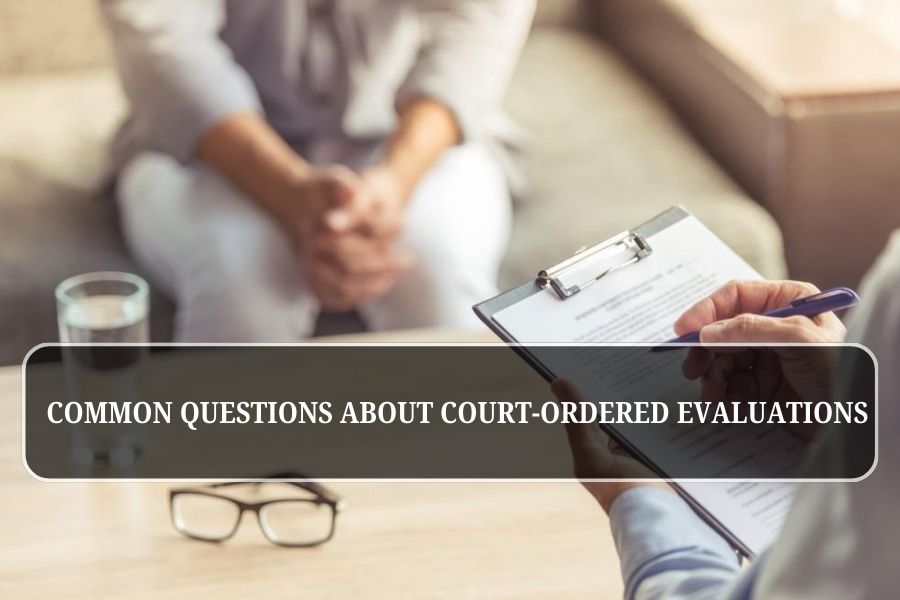
Common Questions About Court-Ordered Evaluations

How long does an evaluation take?

Most evaluations take between one and two hours.

Can evaluations be done online?

Many courts allow telehealth evaluations when appropriate.

Who receives the evaluation report?

Reports are usually submitted to the court, probation officer, or attorney.

Can evaluations affect sentencing?

Yes. Judges may use evaluation reports when determining treatment requirements or probation conditions.

Why Individuals Choose AACS Counseling

AACS Counseling provides professional court-ordered evaluations designed to meet court requirements while helping individuals move forward with their legal cases.

Individuals choose AACS Counseling because we offer:

  • professional evaluation reports accepted by courts
  • fast appointment scheduling
  • confidential services
  • experienced behavioral health clinicians
  • nationwide accessibility

To learn more about available services, visit:

https://www.aacscounseling.com/aacs-service-center/

Confidentiality and Privacy

Behavioral health professionals follow strict privacy laws regarding client information.

Federal privacy protections, such as HIPAA, help ensure that personal health information is handled securely.

Learn more about HIPAA regulations here.

When to Seek Professional Help

Court-ordered evaluations can also serve as an opportunity for individuals to receive support and guidance.

If substance use or mental health concerns are identified, treatment programs may provide valuable tools for improving well-being.

National resources are available for individuals seeking help.

The SAMHSA National Helpline offers confidential support and treatment referrals:

Start Your Court-Ordered Evaluation Today

If a judge has ordered you to complete an evaluation, scheduling the assessment quickly helps ensure compliance with court deadlines.

AACS Counseling provides professional evaluations accepted by courts across the United States.

To begin your evaluation, visit:

https://www.aacscounseling.com/aacs-service-center/

Our team is committed to helping individuals complete their evaluations efficiently and professionally.

Final Thoughts

Court-ordered evaluations play an essential role in legal proceedings by providing courts with clinical insight into behavioral health and substance use issues.

Understanding the evaluation process can help individuals feel more prepared and confident when completing court requirements.

With experienced clinicians and a commitment to professional care, AACS Counseling helps individuals navigate court-ordered evaluations and move their legal cases forward.

Court-Ordered Evaluation Near Me: 100 Questions Judges, Probation Officers, and Attorneys Ask

When courts require an individual to complete a court-ordered evaluation, many people have questions about what the process involves and what evaluators look for during the assessment.

Judges, probation officers, and attorneys often rely on these evaluations to understand whether a person may benefit from treatment, counseling, or educational programs. Because these evaluations play an important role in legal decisions, courts expect them to be conducted by qualified professionals who adhere to established clinical standards.

At AACS Counseling, we provide professional court-ordered evaluations nationwide, helping clients meet their legal requirements efficiently and confidentially.

You can learn more about available evaluation services here:

https://www.aacscounseling.com/aacs-service-center/

This guide answers 100 of the most common questions courts ask during court-ordered evaluations, helping individuals better understand what to expect.

Questions Judges Often Ask in Court-Ordered Evaluations

1. Why was this evaluation ordered by the court?

2. What charges or legal circumstances led to this evaluation?

3. Has the individual previously completed any substance abuse evaluations?

4. Are there prior criminal or legal issues related to substance use?

5. Has the individual ever participated in counseling or treatment programs?

6. What factors contributed to the legal incident?

7. Is there evidence of ongoing substance misuse?

8. Does the individual demonstrate accountability for their actions?

9. Are there behavioral or psychological concerns that need further evaluation?

10. Would treatment or counseling benefit the individual?

Questions Probation Officers Often Ask

11. Is the individual complying with probation conditions?

12. Are there signs of ongoing substance use?

13. Has the individual completed previous court-ordered programs?

14. Does the individual understand the seriousness of the legal violation?

15. Are there environmental factors contributing to risky behavior?

16. Does the individual have stable housing and employment?

17. Are there support systems in place for recovery?

18. Is relapse prevention necessary?

19. Does the individual require monitoring or follow-up treatment?

20. Are additional behavioral interventions recommended?

Questions Attorneys Often Ask About Evaluations

Questions Attorneys Often Ask About Evaluations

21. What qualifications does the evaluator have?

22. What evaluation tools are used during assessments?

23. How long does the evaluation process take?

24. Can evaluation results influence sentencing?

25. Are treatment recommendations mandatory?

26. Can the evaluation help reduce penalties?

27. How soon can the evaluation report be completed?

28. Can evaluations be conducted remotely?

29. What documentation should be brought to the appointment?

30. How are evaluation reports submitted to the court?

Questions Asked During Substance Abuse Evaluations

31. When did you first begin using alcohol or drugs?

32. How frequently do you consume substances?

33. Have substances ever affected your work performance?

34. Have you experienced health issues related to substance use?

35. Have you attempted to stop using substances before?

36. What triggered your most recent legal incident?

37. Are there family members with substance use histories?

38. Have you previously attended rehabilitation or counseling programs?

39. How do you handle stress or emotional challenges?

40. Do you believe your substance use contributed to your legal case?

For individuals seeking help with substance use concerns, the SAMHSA National Helpline provides confidential support:

Questions Asked During Mental Health Evaluations

Questions Asked During Mental Health Evaluations

41. Have you experienced symptoms of depression or anxiety?

42. Have you ever been diagnosed with a mental health condition?

43. Have you received therapy or psychiatric care in the past?

44. Do you currently take any medications?

45. Have you experienced major life stressors recently?

46. Do you have difficulty controlling emotions?

47. Have you experienced trauma or significant loss?

48. Do you feel safe at home?

49. Do you have a support system?

50. Are there any behavioral concerns that should be addressed?

For mental health education resources, visit:

Questions Evaluators Ask About Personal Background

51. Where did you grow up?

52. What is your educational background?

53. What type of work do you currently do?

54. Are you currently employed?

55. What are your living arrangements?

56. Are there financial stressors in your life?

57. Do you have children or dependents?

58. Are there ongoing legal issues besides this case?

59. Have you experienced major life changes recently?

60. What goals do you have for the future?

Questions About Behavioral Patterns

61. How do you typically handle stressful situations?

62. Have you experienced anger or emotional control issues?

63. Have you ever participated in anger management programs?

64. How do you resolve conflicts with others?

65. Have you experienced legal problems related to behavior?

66. Are there triggers that influence negative behaviors?

67. What strategies do you use to cope with difficult emotions?

68. Are there patterns of risky behavior?

69. Do you recognize behaviors that led to the legal issue?

70. What steps have you taken to avoid similar situations?

Questions Related to Treatment or Education Programs

71. Have you previously attended substance abuse counseling?

72. Have you completed any court-ordered programs?

73. Are you willing to participate in treatment if recommended?

74. What type of support do you think would help you most?

75. Are there barriers to attending counseling or education programs?

76. Do you have transportation to attend programs?

77. Are you open to behavioral therapy?

78. Are you willing to participate in recovery programs?

79. Do you understand the importance of compliance with court orders?

80. What changes are you willing to make moving forward?

Questions Evaluators Ask When Preparing Reports for Courts

81. Does the individual show accountability?

82. Is there evidence of substance use disorder?

83. Are there psychological factors contributing to behavior?

84. Does the individual pose a risk to themselves or others?

85. Are treatment programs recommended?

86. What level of intervention is appropriate?

87. Is monitoring required?

88. What educational programs would benefit the individual?

89. Are follow-up evaluations necessary?

90. What long-term support systems should be considered?

Questions About Compliance with Court Requirements

91. Has the individual completed required evaluations?

92. Has the individual attended scheduled appointments?

93. Has the individual followed treatment recommendations?

94. Is the individual demonstrating behavioral improvement?

95. Has the individual avoided further legal incidents?

96. Are there ongoing concerns about compliance?

97. Does the individual understand the consequences of non-compliance?

98. Is continued monitoring recommended?

99. Are additional services necessary?

100. Is the individual ready to move forward with legal resolution?

How to Schedule a Court-Ordered Evaluation

How to Schedule a Court-Ordered Evaluation

If a judge has ordered you to complete an evaluation, scheduling the appointment quickly can help ensure compliance with legal deadlines.

AACS Counseling provides professional court-ordered evaluations nationwide, helping individuals complete required assessments efficiently while ensuring reports meet court standards.

To begin your evaluation, visit:

https://www.aacscounseling.com/aacs-service-center/

Our clinicians are experienced in working with courts, attorneys, and probation departments to ensure evaluation reports are accurate, professional, and legally compliant.

Final Thoughts

Court-ordered evaluations are an important part of many legal proceedings. They provide courts with professional insight that helps guide fair decisions regarding treatment, education programs, or probation requirements.

Understanding the types of questions evaluators may ask can help individuals feel more prepared and confident during the assessment process.

If you need to complete a court-ordered evaluation, AACS Counseling offers professional and confidential services designed to meet court standards and help individuals move forward with their legal cases.

Learn more about available evaluation services here:

https://www.aacscounseling.com/aacs-service-center/

Court-Ordered Evaluation Near Me: National Directory & State-by-State Guide

When a judge orders a court-ordered evaluation, finding a qualified provider quickly becomes a top priority. Courts often require individuals to complete a professional assessment within a specific deadline, and delays can lead to additional legal consequences.

Many people begin their search online using phrases such as “court-ordered evaluation near me,” “substance abuse evaluation for court,” or “mental health evaluation for court cases.” Understanding how to find a reputable evaluation provider can make the process much easier.

At AACS Counseling, we help individuals across the United States complete court-ordered evaluations quickly and professionally. Our licensed clinicians conduct assessments that meet court requirements and provide detailed reports accepted by attorneys, judges, and probation officers.

To learn more about available services, visit our service center:

https://www.aacscounseling.com/aacs-service-center/

This guide explains how court-ordered evaluations work and provides a state-by-state overview of evaluation requirements and resources across the United States.

What Is a Court-Ordered Evaluation?

court-ordered evaluation is a professional assessment required by a judge in a legal case. The purpose of the evaluation is to provide the court with clinical insight into an individual’s mental health, behavioral history, or substance use patterns.

Judges may require evaluations in cases involving:

  • DUI or DWI charges
  • Drug possession offenses
  • Domestic disputes
  • Child custody cases
  • Probation violations
  • Mental health concerns

Licensed clinicians conduct these evaluations using structured interviews and standardized assessment tools.

The evaluation report may include:

  • Clinical observations
  • Screening results
  • Risk assessments
  • Treatment recommendations

Courts use these reports to determine appropriate legal outcomes, including education programs, counseling, probation conditions, or treatment services.

Types of Court-Ordered Evaluations

Courts may require various types of evaluations depending on the nature of the case.

Substance Abuse Evaluations

Substance abuse evaluations assess alcohol or drug use patterns and determine whether treatment or education programs may be necessary.

These evaluations are often ordered in cases involving:

  • DUI offenses
  • Drug possession charges
  • Workplace incidents
  • Probation violations

For individuals seeking assistance with substance use issues, the SAMHSA National Helpline provides confidential referrals and treatment resources:

Mental Health Evaluations

Mental health evaluations examine psychological well-being and emotional stability.

Courts may request these evaluations when mental health concerns may influence legal decisions.

The National Institute of Mental Health provides educational resources about mental health conditions and treatment options:

Anger Management Evaluations

Anger management assessments evaluate emotional regulation and behavioral responses in conflict situations.

Courts often order these evaluations in cases involving domestic disputes or assault allegations.

Domestic Violence Evaluations

Domestic violence assessments help courts evaluate relationship dynamics, communication patterns, and potential risk factors.

These evaluations may lead to recommendations for counseling or intervention programs.

How to Find a Court-Ordered Evaluation Near You

How to Find a Court-Ordered Evaluation Near You

When searching online for “court-ordered evaluation near me,” it is important to choose a provider that meets legal and clinical standards.

Consider the following factors:

Licensed Professionals

Evaluations should be conducted by licensed clinicians with training in behavioral health assessments.

Court-Accepted Reports

The evaluation provider should produce reports that meet court requirements.

Fast Scheduling

Many individuals must complete evaluations within strict legal deadlines.

Confidentiality

Professional evaluators follow privacy standards such as HIPAA regulations established by the U.S. Department of Health and Human Services:

Nationwide Court-Ordered Evaluation Services

AACS Counseling provides professional evaluation services to individuals across the United States.

Our clinicians work with courts, attorneys, and probation officers to ensure evaluation reports meet legal requirements.

Services include:

  • Court-ordered substance abuse evaluations
  • Mental health evaluations for legal cases
  • Anger management assessments
  • Domestic violence evaluations
  • Behavioral health screenings

Learn more about our evaluation services:

State-by-State Guide to Court-Ordered Evaluations

Below is a general overview of how court-ordered evaluations are handled across different states.

Although requirements vary slightly, most states follow similar evaluation procedures.

Court-Ordered Evaluations in California

California courts frequently require evaluations in cases involving DUI charges, drug offenses, and family law matters.

Evaluations may be conducted by licensed psychologists, counselors, or substance abuse professionals.

Court-Ordered Evaluations in Texas

Texas courts often require substance abuse evaluations following DUI arrests or probation violations.

Licensed chemical dependency counselors typically conduct these assessments.

Court-Ordered Evaluations in Florida

Florida courts may require evaluations for substance abuse, anger management, or mental health concerns, depending on the case.

Reports are submitted to the court or probation officer.

Court-Ordered Evaluations in New York

New York courts may require evaluations during criminal proceedings or family court cases.

Licensed mental health professionals conduct assessments and provide recommendations.

Court-Ordered Evaluations in Georgia

Georgia courts frequently require substance abuse evaluations following DUI or drug-related charges.

These evaluations help determine whether treatment programs are necessary.

Court-Ordered Evaluations in Illinois

Illinois courts may require substance abuse assessments or mental health evaluations, depending on the nature of the legal case.

Court-Ordered Evaluations in Pennsylvania

Pennsylvania courts may order evaluations as part of probation requirements or as part of treatment recommendations.

Court-Ordered Evaluations in Ohio

Ohio courts use evaluations to determine appropriate interventions following substance-related offenses.

Court-Ordered Evaluations in Michigan

Michigan courts commonly require substance abuse assessments in DUI cases.

Court-Ordered Evaluations in Arizona

Arizona courts often order behavioral health evaluations during criminal proceedings or probation reviews.

The Court-Ordered Evaluation Process

The Court-Ordered Evaluation Process

Understanding the evaluation process can help reduce anxiety.

The process typically includes the following steps.

Scheduling the Evaluation

Individuals schedule an appointment with a licensed evaluator.

Completing Intake Forms

Forms gather information about medical history, legal background, and behavioral concerns.

Clinical Interview

The evaluator conducts a structured interview to assess relevant factors.

Screening Assessments

Standardized tools measure behavioral and psychological indicators.

Evaluation Report

The clinician prepares a report with findings and recommendations.

Why Individuals Choose AACS Counseling

Many individuals choose AACS Counseling for court-ordered evaluations because we provide:

  • Professional evaluation reports accepted by courts
  • Fast appointment scheduling
  • Confidential services
  • Experienced behavioral health clinicians
  • Nationwide accessibility

Our goal is to help individuals complete their court-ordered evaluations efficiently so they can move their legal cases forward.

Learn more about available services here:

https://www.aacscounseling.com/aacs-service-center/

Preparing for Your Court-Ordered Evaluation

Preparing for your evaluation can make the process smoother.

Individuals should bring:

  • Identification
  • Court documents
  • Medical or treatment records if available

Being open and honest during the evaluation helps clinicians provide accurate recommendations.

Frequently asked questions

How long does a court-ordered evaluation take?

Most evaluations take between one and two hours.

What happens after the evaluation?

The clinician prepares a report that is sent to the court or probation officer.

Can evaluations be completed online?

Many providers now offer telehealth evaluations, depending on court approval.

Are court-ordered evaluations confidential?

Evaluators follow professional privacy standards but must share relevant findings with the court.

Start Your Court-Ordered Evaluation Today

If a judge has ordered you to complete an evaluation, scheduling the assessment quickly can help ensure compliance with legal requirements.

AACS Counseling provides professional court-ordered evaluations designed to meet court standards while helping individuals move forward with their legal cases.

To begin the process, visit:

https://www.aacscounseling.com/aacs-service-center/

Our experienced clinicians are ready to help you complete your evaluation efficiently and professionally.

Court-Ordered Evaluation Near Me: Nationwide Guide for All 50 States & Major U.S. Cities

When courts require individuals to complete a court-ordered evaluation, finding a qualified professional quickly becomes essential. Judges often set strict deadlines for completing assessments, and failure to comply can delay legal proceedings or result in additional penalties.

Many people search online for terms such as:

  • court-ordered evaluation near me
  • substance abuse evaluation for court near me
  • court-ordered mental health evaluation near me
  • DUI substance abuse evaluation near me

Understanding where to find a trusted evaluation provider can make the process much easier.

AACS Counseling provides court-ordered evaluations nationwide, helping individuals meet court requirements quickly and professionally.

You can view all available services here:

https://www.aacscounseling.com/aacs-service-center/

This guide explains how court-ordered evaluations work and provides a state-by-state and city-by-city overview across the United States.

What Is a Court-Ordered Evaluation?

court-ordered evaluation is a professional assessment required by a judge in a legal case.

These evaluations help courts determine whether individuals may benefit from treatment programs, counseling, or educational services.

Courts may require evaluations in cases involving:

  • DUI or DWI charges
  • Drug possession offenses
  • Domestic disputes
  • Probation violations
  • Child custody matters
  • Mental health concerns

Licensed clinicians conduct these evaluations using clinical interviews and standardized screening tools.

Evaluation reports often include:

  • clinical observations
  • behavioral risk assessment
  • treatment recommendations

Courts rely on these reports when making legal decisions.

Types of Court-Ordered Evaluations

Substance Abuse Evaluations

Substance abuse assessments determine whether alcohol or drug use contributed to a legal incident.

These evaluations are commonly required for:

  • DUI charges
  • drug possession cases
  • probation violations

For additional support related to substance use concerns, the SAMHSA National Helpline provides confidential resources:

Mental Health Evaluations

Mental health evaluations assess emotional well-being and psychological stability.

Courts may order these assessments when mental health concerns may affect legal decisions.

Educational resources about mental health conditions can be found through the National Institute of Mental Health:

Anger Management Evaluations

These evaluations examine emotional regulation and behavioral responses during conflict situations.

Domestic Violence Assessments

Domestic violence evaluations examine relationship dynamics and potential behavioral risks.

Court-Ordered Evaluation Near Me by State

Court-Ordered Evaluation Near Me by State

Below is a guide to court-ordered evaluation requirements across the United States.

Court-Ordered Evaluations in Georgia

Georgia courts frequently require substance abuse evaluations in cases involving DUI or drug offenses.

Individuals must complete assessments conducted by qualified clinicians before returning to court.

Court-Ordered Evaluations in Florida

Florida courts often require behavioral health assessments following DUI charges or probation violations.

Court-Ordered Evaluations in Texas

Texas courts commonly require chemical dependency evaluations in substance-related cases.

Court-Ordered Evaluations in California

California courts may require mental health or substance abuse evaluations during criminal proceedings or family law cases.

Court-Ordered Evaluations in New York

New York courts frequently order behavioral health evaluations in criminal and family court cases.

Court-Ordered Evaluations in Alabama

Alabama courts often require substance abuse or mental health evaluations in criminal cases, DUI offenses, and family law matters involving custody disputes.

Court-Ordered Evaluations in Alaska

Alaska courts may mandate behavioral health or substance abuse evaluations in criminal proceedings, particularly in cases involving addiction or domestic issues.

Court-Ordered Evaluations in Arizona

Arizona courts frequently order substance abuse and mental health evaluations in DUI cases, probation requirements, and family court matters.

Court-Ordered Evaluations in Arkansas

Arkansas courts commonly require drug and alcohol evaluations in criminal cases, especially for repeat offenses and court-supervised rehabilitation programs.

Court-Ordered Evaluations in Colorado

Colorado courts may require comprehensive mental health or substance abuse evaluations in criminal cases, DUI charges, and child custody disputes.

Court-Ordered Evaluations in Connecticut

Connecticut courts often mandate psychological and substance abuse evaluations in both criminal and family law proceedings.

Court-Ordered Evaluations in Delaware

Delaware courts frequently order behavioral health and substance use evaluations in cases involving addiction, probation, or custody issues.

Court-Ordered Evaluations in Hawaii

Hawaii courts may require mental health or substance abuse evaluations in criminal cases and family law matters, particularly where safety is a concern.

Court-Ordered Evaluations in Idaho

Idaho courts commonly require drug, alcohol, or mental health evaluations in DUI cases, probation, and custody disputes.

Court-Ordered Evaluations in Illinois

Illinois courts frequently mandate substance abuse and psychological evaluations in criminal proceedings and family court cases.

Court-Ordered Evaluations in Indiana

Indiana courts often require addiction and mental health evaluations in cases involving DUI, drug offenses, and custody hearings.

Court-Ordered Evaluations in Iowa

Iowa courts may order substance abuse or mental health evaluations as part of sentencing, probation, or family law proceedings.

Court-Ordered Evaluations in Kansas

Kansas courts commonly require drug and alcohol evaluations in DUI cases and other substance-related offenses.

Court-Ordered Evaluations in Kentucky

Kentucky courts frequently mandate substance abuse and mental health assessments in criminal and family law cases.

Court-Ordered Evaluations in Louisiana

Louisiana courts may require behavioral health evaluations in criminal cases, especially those involving substance abuse or domestic violence.

Court-Ordered Evaluations in Maine

Maine courts often order mental health and substance abuse evaluations in criminal proceedings and custody disputes.

Court-Ordered Evaluations in Maryland

Maryland courts commonly require substance abuse and psychological evaluations in DUI cases, probation, and family law matters.

Court-Ordered Evaluations in Massachusetts

Massachusetts courts frequently mandate mental health and substance abuse evaluations in both criminal and civil cases.

Court-Ordered Evaluations in Michigan

Michigan courts may require drug, alcohol, or psychological evaluations in criminal proceedings and child custody cases.

Court-Ordered Evaluations in Minnesota

Minnesota courts often order chemical dependency and mental health evaluations in DUI cases, criminal matters, and family law disputes.

Court-Ordered Evaluations in Mississippi

Mississippi courts commonly require substance abuse evaluations in criminal cases and court-supervised treatment programs.

Court-Ordered Evaluations in Missouri

Missouri courts frequently mandate drug, alcohol, and mental health evaluations in criminal and family law proceedings.

Court-Ordered Evaluations in Montana

Montana courts may require behavioral health evaluations in cases involving substance abuse, DUI, or custody disputes.

Court-Ordered Evaluations in Nebraska

Nebraska courts often order substance abuse and mental health evaluations in criminal cases and probation requirements.

Court-Ordered Evaluations in Nevada

Nevada courts frequently require drug and alcohol evaluations in DUI cases and other substance-related offenses.

Court-Ordered Evaluations in New Hampshire

New Hampshire courts may mandate mental health and substance abuse evaluations in criminal and family law cases.

Court-Ordered Evaluations in New Jersey

New Jersey courts commonly require behavioral health evaluations in criminal proceedings and custody disputes.

Court-Ordered Evaluations in New Mexico

New Mexico courts often order substance abuse and psychological evaluations in criminal and family court matters.

Court-Ordered Evaluations in North Carolina

North Carolina courts frequently mandate substance abuse and mental health evaluations in DUI and custody cases.

Court-Ordered Evaluations in North Dakota

North Dakota courts may require chemical dependency evaluations in DUI and other substance-related cases.

Court-Ordered Evaluations in Ohio

Ohio courts commonly order drug, alcohol, and mental health evaluations in criminal proceedings and family law cases.

Court-Ordered Evaluations in Oklahoma

Oklahoma courts frequently require substance abuse evaluations in DUI cases and court-mandated treatment programs.

Court-Ordered Evaluations in Oregon

Oregon courts may mandate behavioral health evaluations in criminal and family law proceedings.

Court-Ordered Evaluations in Pennsylvania

Pennsylvania courts often require substance abuse and mental health evaluations in criminal and custody-related cases.

Court-Ordered Evaluations in Rhode Island

Rhode Island courts commonly order psychological and substance abuse evaluations in criminal and family matters.

Court-Ordered Evaluations in South Carolina

South Carolina courts frequently mandate substance abuse evaluations in DUI and probation cases.

Court-Ordered Evaluations in South Dakota

South Dakota courts may require drug and alcohol evaluations in criminal cases and court-supervised programs.

Court-Ordered Evaluations in Tennessee

Tennessee courts often order mental health and substance abuse evaluations in criminal and custody disputes.

Court-Ordered Evaluations in Utah

Utah courts frequently require behavioral health evaluations in criminal proceedings and family law cases.

Court-Ordered Evaluations in Vermont

Vermont courts may mandate substance abuse and mental health evaluations in criminal and civil matters.

Court-Ordered Evaluations in Virginia

Virginia courts commonly require substance abuse and psychological evaluations in DUI cases and custody disputes.

Court-Ordered Evaluations in Washington

Washington courts frequently order mental health and substance abuse evaluations in criminal and family law cases.

Court-Ordered Evaluations in West Virginia

West Virginia courts may require behavioral health evaluations in criminal proceedings and custody matters.

Court-Ordered Evaluations in Wisconsin

Wisconsin courts often mandate substance abuse and psychological evaluations in DUI and criminal cases.

Court-Ordered Evaluations in Wyoming

Wyoming courts commonly require drug, alcohol, and mental health evaluations in criminal cases and probation programs.

Court-Ordered Evaluation Near Me in Major U.S. Cities

Court-Ordered Evaluation Near Me in Major U.S. Cities

To help individuals find services quickly, below are some of the largest U.S. cities where court-ordered evaluations are frequently required.

Court-Ordered Evaluations in Atlanta

Atlanta courts often require substance abuse evaluations following DUI or drug-related charges.

Court-Ordered Evaluations in Los Angeles

Los Angeles courts may require evaluations during criminal cases or family law proceedings.

Court-Ordered Evaluations in Chicago

Chicago courts frequently require behavioral health assessments for probation compliance.

Court-Ordered Evaluations in Houston

Houston courts often require substance abuse evaluations in DUI cases.

Court-Ordered Evaluations in Phoenix

Phoenix courts require evaluations to determine appropriate treatment recommendations.

Court-Ordered Evaluations in Philadelphia

Philadelphia courts often mandate forensic evaluations for mental health diversion and substance abuse assessments for the city’s Treatment Court.

Court-Ordered Evaluations in San Antonio

San Antonio courts frequently require alcohol and drug evaluations for DWI offenses and domestic violence risk assessments.

Court-Ordered Evaluations in San Diego

San Diego Superior Courts often order child custody evaluations (730 evaluations) and evidence-based domestic violence assessments.

Court-Ordered Evaluations in Dallas

Dallas courts commonly require Substance Use Disorder (SUD) evaluations for DWI offenses and parenting capacity assessments in CPS cases.

Court-Ordered Evaluations in San Jose

Santa Clara County courts utilize behavioral health assessments to transition eligible defendants into specialized treatment-based dockets.

Court-Ordered Evaluations in Austin

Travis County courts often mandate alcohol and drug evaluations for first-time offenders and clinical assessments for domestic relations.

Court-Ordered Evaluations in Jacksonville

Jacksonville courts frequently require psychosocial assessments for misdemeanor drug charges as part of Pre-Trial Intervention (PTI) programs.

Court-Ordered Evaluations in San Francisco

San Francisco courts utilize clinical screenings to connect defendants with community-based treatment through the Behavioral Health Court.

Court-Ordered Evaluations in Columbus

Columbus courts often mandate chemical dependency evaluations to determine if a defendant qualifies for Intervention in Lieu of Conviction.

Court-Ordered Evaluations in Fort Worth

Tarrant County courts use clinical screenings to determine placement in specialized dockets, such as the Veterans Treatment Court.

Court-Ordered Evaluations in Indianapolis

Indianapolis courts frequently require mental health screenings to assess risk and treatment needs during the pre-sentencing phase.

Court-Ordered Evaluations in Charlotte

Mecklenburg County courts often order substance abuse assessments as a condition for deferred prosecution in minor drug cases.

Court-Ordered Evaluations in Seattle

Seattle courts frequently mandate Domestic Violence Perpetrator Treatment (DVPT) evaluations and behavioral health assessments.

Court-Ordered Evaluations in Denver

Denver courts utilize Level II Alcohol Assessments for DUI cases, which dictate the mandatory therapy hours required for sentencing.

Court-Ordered Evaluations in Washington DC

D.C. Superior Courts often require forensic psychological evaluations to determine criminal responsibility or the need for civil commitment.

Court-Ordered Evaluations in Boston

Boston courts frequently order Section 35 evaluations, which can lead to involuntary commitment for individuals with severe substance use disorders.

Court-Ordered Evaluations in El Paso

El Paso courts require substance abuse evaluations for border-related drug interdictions and DWI diversion programs.

Court-Ordered Evaluations in Nashville

Nashville courts utilize mental health assessments for specialized dockets like the “Cherished Hearts” human trafficking court.

Court-Ordered Evaluations in Detroit

Detroit courts require behavioral screenings for Problem-Solving Courts including Drug, Sobriety, and Veterans dockets.

Court-Ordered Evaluations in Portland

Portland (Multnomah County) courts mandate DUII diagnostic evaluations to create mandatory state-certified treatment plans.

Court-Ordered Evaluations in Las Vegas

Las Vegas courts frequently require gambling addiction and substance use screenings for specialized Clark County dockets.

Why Individuals Choose AACS Counseling Why Individuals Choose AACS Counseling

Individuals choose AACS Counseling for court-ordered evaluations because we provide:

  • professional reports accepted by courts
  • fast appointment scheduling
  • confidential services
  • experienced clinicians
  • nationwide accessibility

Learn more about evaluation services here:

https://www.aacscounseling.com/aacs-service-center/

How to Schedule a Court-Ordered Evaluation

If a judge has ordered you to complete an evaluation, scheduling quickly helps ensure compliance with legal deadlines.

AACS Counseling provides professional court-ordered evaluations nationwide.

To begin your evaluation, visit us.

Final Thoughts

Court-ordered evaluations are an important part of many legal cases. These assessments help courts determine appropriate treatment, education programs, or probation requirements.

By choosing an experienced provider like AACS Counseling, individuals can complete evaluations efficiently and move forward with their legal cases.

For more information about court-ordered evaluations, visit: us now.

Call Now