Qualified SAP Counselor, Author at AACS Counseling - Page 35 of 35

Do Shrooms Show Up on a Drug Test?

Magic mushrooms—commonly referred to as “shrooms”—are increasingly in the spotlight due to rising interest in psychedelics for both recreational and therapeutic purposes. But whether you’re curious, cautious, or preparing for a drug screening, you may be wondering: Do shrooms show up on a drug test?

To answer this, we need to understand what’s in magic mushrooms, how the body processes them, and what kinds of drug tests are commonly used. Let’s dive in.


Understanding Magic Mushrooms and Psilocybin

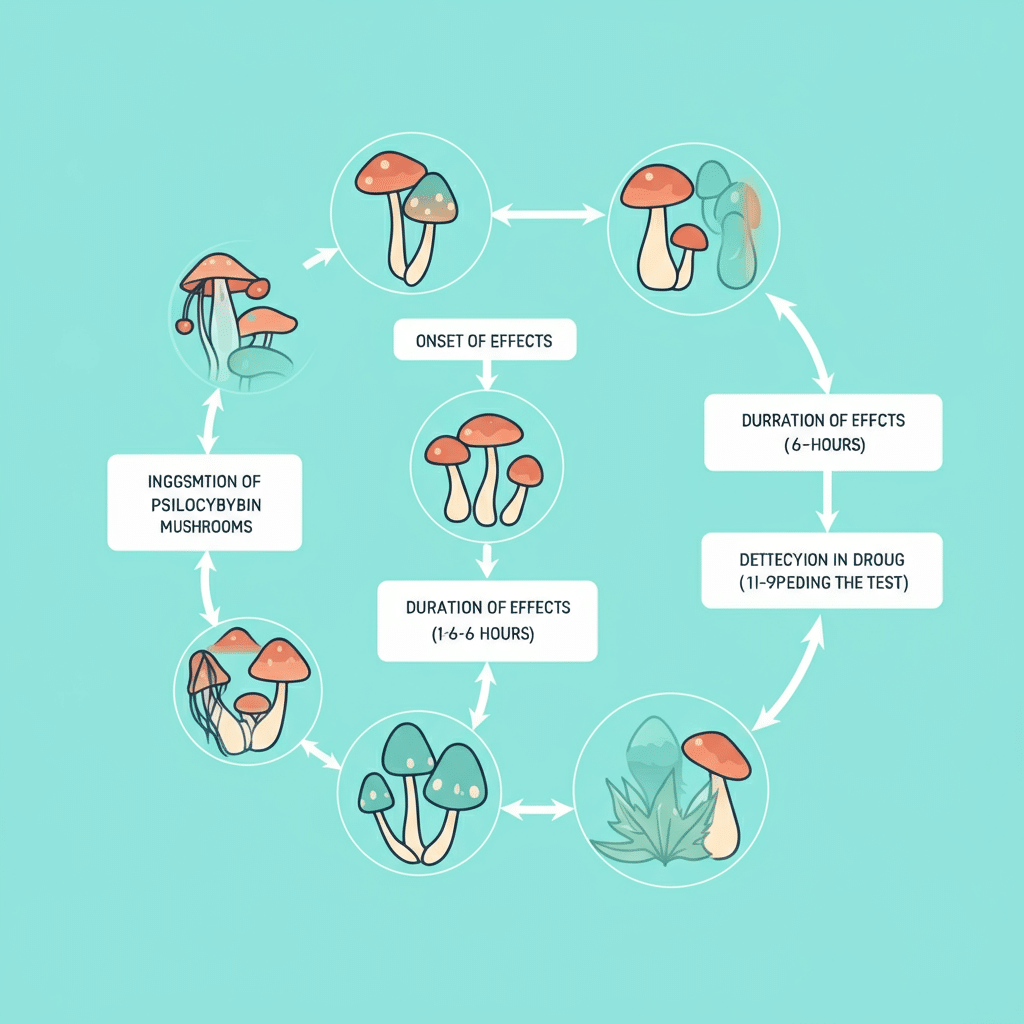
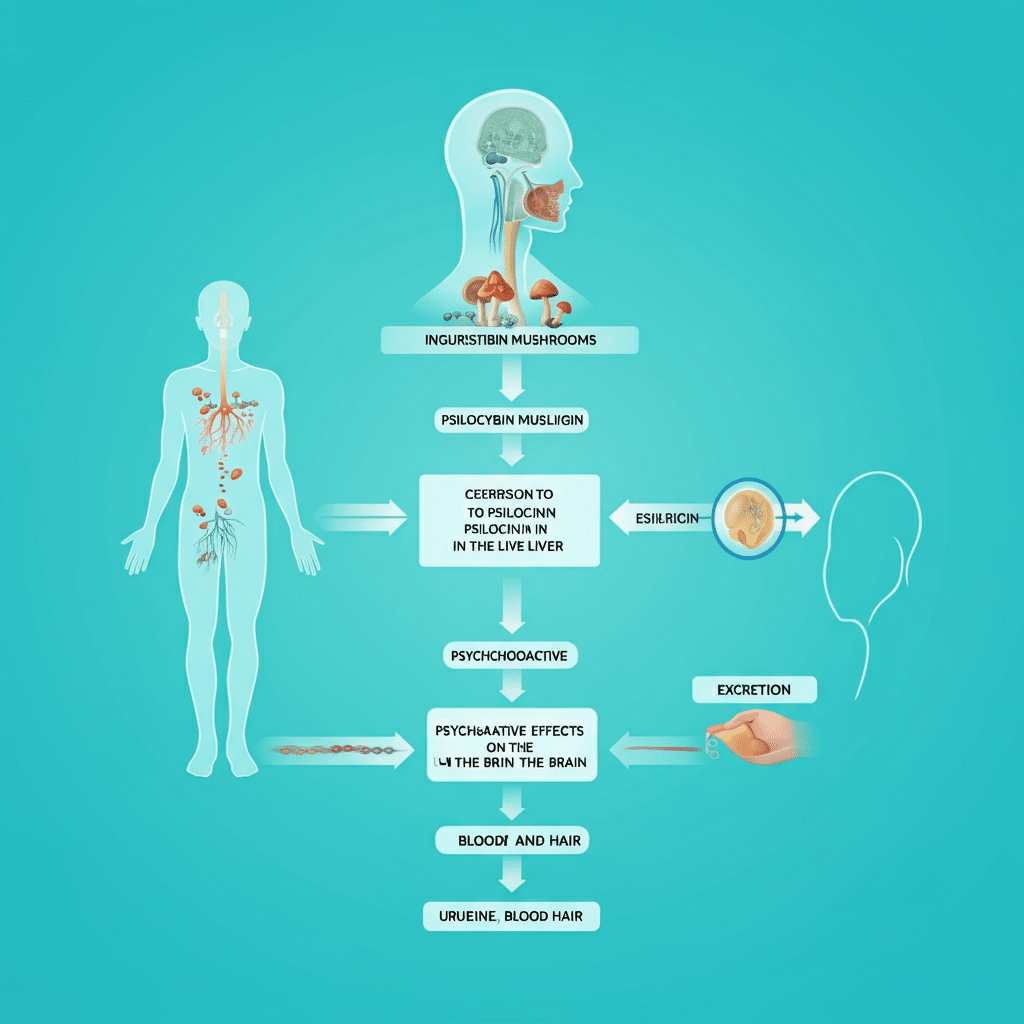
Magic mushrooms are a group of naturally occurring fungi that contain psilocybin, a psychedelic compound that causes hallucinations and altered states of consciousness. When someone consumes these mushrooms, the body converts psilocybin into psilocin, which is the active compound responsible for the psychoactive effects.

These effects can include:

  • Visual and auditory hallucinations
  • Distorted sense of time
  • Emotional shifts (euphoria or anxiety)
  • Enhanced sensory perception
  • Introspective thoughts or spiritual experiences

While not considered physically addictive, psilocybin is classified as a Schedule I substance under U.S. federal law—meaning it’s illegal and considered to have no accepted medical use at the federal level (though this is beginning to change in some states and countries).


Types of Drug Tests and What They Detect

Drug tests come in several types, each designed to detect specific substances within specific time frames. Here are the most common ones:

1. Urine Test

  • Most common type used in employment and legal settings.
  • Can detect a range of substances within a few days of use.

2. Blood Test

  • Used in emergencies, accidents, or medical settings.
  • Can detect substances used very recently (within hours).

3. Hair Follicle Test

  • Provides a long-term record of drug use—up to 90 days.
  • Less common due to cost and complexity.

4. Saliva Test

  • Detects substances within the past 2-4 hours.
  • Often used for on-the-spot testing (e.g., roadside checks).

What Substances Are Typically Screened?

Most drug tests, especially standard 5-panel or 10-panel screens, are designed to detect:

  • THC (from cannabis)
  • Cocaine
  • Opiates (heroin, morphine, codeine)
  • Amphetamines (Adderall, meth)
  • Benzodiazepines (Xanax, Valium)

Psilocybin is not usually included in these standard panels.


Do Standard Drug Tests Screen for Shrooms?

No, standard drug tests do not test for psilocybin or psilocin.

This is the key takeaway. Unless there’s a special request or a reason to suspect psychedelic use, typical drug screens will not detect magic mushrooms. Most labs and employers are not equipped or inclined to test for it because:

  • The test is more expensive
  • Psilocybin has a short detection window
  • It’s not considered a common drug of abuse compared to opioids or THC

That said, specialized testing can detect psilocybin, but it’s rare and usually only done in specific legal, clinical, or research situations.


How Long Do Shrooms Stay in Your System?

The duration that psilocybin (and its metabolite psilocin) stays in your system depends on the type of test being used and various biological factors.

Here’s a breakdown:

1. Urine Test

  • Detectable for 24 to 48 hours after ingestion
  • In some cases (e.g., heavy use), it may remain detectable for up to 72 hours

2. Blood Test

  • Psilocin is typically only present in the blood for up to 24 hours
  • Best suited for detecting very recent use

3. Hair Follicle Test

  • Theoretically can detect drug use for up to 90 days
  • However, hair testing for psilocybin is rare and not standardized

4. Saliva Test

  • Limited data is available
  • Not a reliable method for detecting psilocybin use

So while the presence of shrooms in your system is real for a short time, the detection window is narrow, especially compared to drugs like cannabis or cocaine.


When Might You Be Tested for Shrooms?

Although not part of routine drug testing, certain situations might involve testing for psilocybin:

  • Legal or court-ordered testing: For example, in drug-related criminal cases or probation situations.
  • Rehabilitation centers: Especially if someone is in a program that monitors a wide range of substances.
  • Medical investigations: In hospitals or mental health facilities, if psychedelic use is suspected.
  • Forensic testing: In autopsies or criminal cases where drug use is a factor.
  • High-security jobs or military: If there’s suspicion of unauthorized drug use, broader panels may be used.

In these cases, a targeted or expanded drug test might be ordered to specifically detect psychedelics.


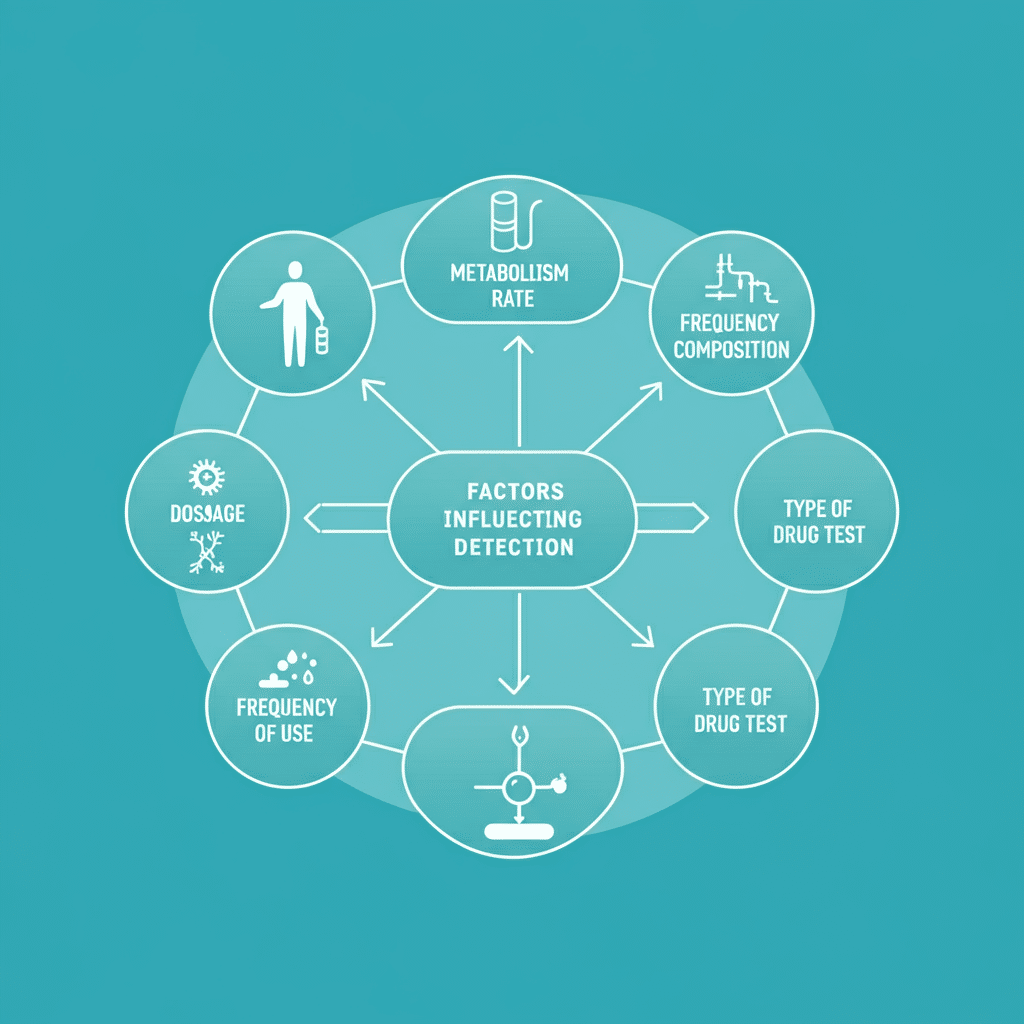
Factors That Affect Detection

The ability to detect psilocybin depends on several individual factors, including:

  • Dosage: Higher doses may be detectable for a longer time.
  • Frequency of use: Regular users might retain traces longer than one-time users.
  • Metabolism: People with faster metabolisms tend to eliminate substances more quickly.
  • Body fat and weight: These can affect how long substances stay in your system.
  • Hydration and nutrition: Dehydration may slow down elimination of substances.
  • Liver and kidney function: These organs are responsible for filtering drugs; any impairment may slow down elimination.

Because of these variables, no two people will metabolize psilocybin in exactly the same way.


Conclusion

In summary, shrooms do not show up on standard drug tests, and even when they do, the window for detection is quite short—typically just 1–2 days. Unless a highly specialized test is conducted for a specific reason, the chances of being tested and caught for psilocybin use are very low.

However, if you’re in a situation where drug testing is a legal or employment requirement, it’s always best to err on the side of caution. Keep in mind that laws and testing standards can vary by country, state, and industry.


FAQs

1. Will shrooms show up on a drug test for work or school?

Unlikely. Most standard employment or school drug tests do not screen for psilocybin unless it’s a specialized panel.

2. Can I fail a drug test because of shrooms?

Only if the test specifically looks for psilocybin/psilocin. This is rare and usually only happens in legal or medical cases.

3. How long should I wait after taking shrooms before a drug test?

Generally, it’s safest to wait at least 72 hours, although detection beyond 48 hours is rare.

4. Are there over-the-counter tests that can detect shrooms?

No. Home drug tests available at pharmacies do not test for psilocybin.

5. Can magic mushrooms be detected in hair samples?

Theoretically, yes. In practice, hair testing for psilocybin is extremely rare and not commonly used due to lack of standardized testing methods.


Let me know if you’d like this turned into a blog layout, visual guide, or printable PDF for educational or professional use!
Does mushrooms Show Up on a Drug Test?

Magic mushrooms, or “shrooms,” have long fascinated people due to their mind-altering effects. These effects are caused by the active compound psilocybin, which transforms into psilocin in the body to create hallucinogenic experiences. However, as discussions around their use grow, questions often arise regarding their traceability in drug tests. Can shrooms be detected in a standard test? What factors influence detection? And is there any truth in their potential therapeutic use? Here’s a complete breakdown of what you need to know.

What Are Psilocybin Mushrooms?

Psilocybin mushrooms, commonly known as magic mushrooms or shrooms, contain the psychoactive compounds psilocybin and psilocin. These compounds interact with serotonin receptors in the brain, leading to altered perceptions, heightened senses, and intense visual or auditory hallucinations.

Risks and Effects

While some users may enjoy feelings of euphoria, shrooms also come with notable risks. These include:

Bad Trips:
Episodes of extreme paranoia, fear, or anxiety that can last hours.
Psychological Dependency:
Repeated use can lead to relying on shrooms to escape reality.
Hallucinogen Persisting Perception Disorder (HPPD):
A condition where lingering hallucinations occur for weeks or months post-use.

External Reference: Learn more about hallucinogen-related disorders from the National Library of Medicine

Standard Drug Tests vs. Shrooms

Most routine drug screenings, like the common 5-panel and 10-panel tests, do not detect psilocybin or psilocin. These tests typically focus on substances such as:

  • THC (marijuana)
  • Cocaine
  • PCP
  • Amphetamines
  • Opioids

That means unless a test is specifically designed to look for psilocybin or psilocin, shrooms won’t show up.

Specialized Tests for Psilocybin Detection

To detect shrooms, specialized drug tests are required. These can include:

  1. Urine Tests: Psilocin can be detectable for about 24 hours after use in specially designed urine tests.
  2. Blood Tests: Psilocin shows up in the blood for about 3–6 hours post-ingestion.
  3. Hair Follicle Tests: These tests have the largest detection window, identifying psilocin use up to 90 days later, though they are rarely used due to their high cost.
  4. Saliva Tests: Psilocybin is detectable in saliva for only a few hours and is not commonly searched for in such tests.

Because these tests are not part of standard panels, they are only conducted in specific circumstances, such as in legal settings or research studies.

Related Reading: Discover how different drug tests work by exploring SAMHSA’s resources on drug testing.

Factors Influencing Detectability

Factors Influencing Detection

Drug detectability varies based on several factors, including:

  1. Dosage:
    Larger doses take longer to metabolize.
  2. Frequency of Use:
    Repeated use might lead to longer detection times due to accumulation.
  3. Metabolic Rate:
    Faster metabolisms clear substances quicker.
  4. Preparation Method:
    Consuming dried mushrooms versus brewing tea can affect how the body processes the compound.
  5. General Health:
    Kidney or liver function can influence how efficiently substances are eliminated.

What Affects How Long Shrooms Are Detectable?

Several factors influence how long psilocybin or psilocin can remain detectable in the body:

  • Dosage: Larger amounts of shrooms require more time for the body to metabolize.
  • Frequency of Use: Regular use can lead to trace amounts lingering in the system longer.
  • Metabolic Rate: Those with faster metabolisms eliminate substances more quickly.
  • Health Conditions: The efficiency of your liver and kidneys can impact how substances are processed.
  • Consumption Method: Consuming dried mushrooms or shroom tea may affect how quickly psilocybin is absorbed and eliminated.

False Positives and Cross-Reactivity

While rare, false positives can occur during drug testing. For example, low-quality tests may misidentify substances like LSD or PCP as psilocybin. To confirm results, high-precision methods like gas chromatography-mass spectrometry (GC-MS) or liquid chromatography-mass spectrometry (LC-MS) are employed. These techniques eliminate ambiguity by isolating specific compounds.

External Reference for Testing Accuracy: Explore how GC-MS testing works.

Legal and Health Implications of Shrooms

Psilocybin remains a Schedule I controlled substance under U.S. federal law, meaning it is illegal to possess or distribute. Despite this classification, some states like Oregon and Colorado have decriminalized or allowed limited therapeutic use under specific programs.

Health Risks

Prolonged use or misuse of shrooms can lead to:

  • Psychological Problems:
    Heightened anxiety, paranoia, or depression.
  • Physical Risks:
    Accidental ingestion of toxic lookalike mushrooms can cause severe poisoning.

For a deeper understanding of the legal landscape, view psilocybin’s classification on the DEA website.

Potential Therapeutic Uses of Psilocybin

Although psilocybin is largely controlled, researchers are investigating its potential therapeutic benefits. Recent studies suggest that it:

  • Alleviates Depression:
    Controlled doses can potentially reduce treatment-resistant depression.
  • Eases Anxiety:
    Psilocybin might help individuals cope with existential or end-of-life anxiety.
  • Supports PTSD Recovery:
    By inducing controlled emotional responses, psilocybin could aid trauma processing.

Many institutions, including Johns Hopkins University, are actively studying therapeutic applications of psychedelics.

External Reference on Research Initiatives: Read about ongoing studies on psilocybin at Johns Hopkins Medicine’s Psychedelics Research Program.

How Long Do Shrooms Stay in the System?

The exact duration psilocybin stays in the body depends on the detection method. Here’s a quick summary:

Test Type Detection Window
Urine Test Up to 24 hours
Blood Test 3–6 hours
Hair Follicle Test Up to 90 days
Saliva Test A few hours

Psilocin has a short half-life of about 1.8–3 hours, meaning it exits the system relatively quickly.

Tips for Eliminating Psilocybin Faster

While psilocybin naturally clears the body quickly, here are some ways to slightly expedite the process:

  1. Hydration:
    Drinking plenty of water may aid in faster excretion through urine.
  2. Exercise:
    Boosting your metabolic rate might minimally speed up elimination.
  3. Avoid Repeat Use:
    Abstaining gives your body time to fully clear any metabolites.

Disclaimer:
None of these methods guarantee immediate clearance or prevent drug test detection.

Mental Health Risks and Recovery Options

While not physically addictive, shroom use can exacerbate mental health issues:

  • HPPD:
    Users may experience persistent psychedelic-like effects even years after stopping.
  • Psychosis:
    Pre-existing conditions like schizophrenia can worsen with psilocybin use. If you or someone you know struggles with substance use, seeking help early is critical. Treatment programs focus on education, mental health support, and long-term recovery plans.

Resources for Support

  • SAMHSA Helpline (800-662-HELP): 24/7 confidential assistance for substance use.
  • Local Rehabilitation Centers for personalized care.

Final Thoughts

Shrooms generally don’t appear in standard drug tests unless specialized methods are employed. Still, individuals should be mindful of the legal and health implications tied to their use. Emerging research may change perceptions of psilocybin, but until then, its risks must be weighed carefully.

Whether you’re seeking evidence-based information or looking for ways to address substance use, understanding shrooms through a balanced lens is key. If you’re battling dependency or need clarity about drug testing, help is only a call away. Take the first step today by reaching out to trusted resources or exploring therapeutic options.

External Reference for Addiction Help: Visit SAMHSA’s National Helpline for free assistance.

What Happens If I Failed DOT Drug Test?

Failing a Department of Transportation (DOT) drug test can be a challenging experience, especially if you work in a safety-sensitive role like driving a commercial motor vehicle (CMV). It’s crucial to understand the repercussions, the reasons behind a failed test, and the steps required to get back on track. This guide will walk you through everything you need to know about failing a DOT drug test, organized by key topics for clarity.

1. Introduction to DOT Drug Testing

What Is a DOT Drug Test?

A DOT drug test is mandated by federal regulations to promote safety in safety-sensitive industries like transportation. It ensures that employees, such as CDL (Commercial Driver’s License) drivers, are not under the influence of drugs or alcohol while performing duties.

Types of Failed Drug Tests

A failed DOT drug test can happen in several scenarios:

  • Positive Test Result: Testing positive for substances such as marijuana, cocaine, amphetamines, opioids, or PCP.
  • Refusing to Test: Not appearing for the test or failing to provide a sample without valid medical reasons.
  • Tampering with a Test: Attempting to alter test results by substituting or adulterating the sample.

2. Reasons for Failing a Drug Test

What Can Cause People to Fail a Drug Test?

Failed drug tests typically occur due to:

  • Consuming illicit drugs.
  • Prescription medications that are not reported or approved for use.
  • Taking over-the-counter medications that trigger false positives.
  • Consuming substances like poppy seeds, which can give misleading results.

Failed Drug Test Due to Illicit Drug Use

Using illegal substances such as marijuana, cocaine, or PCP will result in a failed DOT drug test. These are strictly prohibited and pose a significant safety risk for both the driver and the public.

Ways a CDL Driver Can Fail a Drug Test

CDL drivers can fail drug tests in the following ways:

  • Testing above the acceptable alcohol limit (0.04 or higher).
  • Failing to complete the test properly (e.g., leaving early).
  • Not disclosing prescription medications or misusing drugs that impair performance.

3. Different Types of DOT Drug Tests

DOT Random Drug Testing

Random drug tests are conducted without prior notice to ensure drivers are always compliant. These tests could happen at any point during employment.

Reasonable Suspicion Drug Tests

If an employer has reasonable suspicion—such as observing unusual behavior—they can refer an employee for immediate drug testing.

Post-Accident Drug Tests

Drivers involved in certain qualifying accidents are required to undergo a drug test immediately after the incident, as mandated by DOT regulations.

4. Consequences of Failing a DOT Drug Test

What Happens If a Candidate Fails a Pre-Employment Drug Test?

Failing a pre-employment drug test means the offer of employment can be rescinded. Employers are legally obligated to report the failure to the FMCSA Drug and Alcohol Clearinghouse.

What Happens If I Fail or Refuse a Test?

If you fail or refuse a DOT drug test, you are immediately removed from safety-sensitive duties and cannot return until you complete the federally mandated return-to-duty process.

Failed DOT Drug Tests and Refusals

Both failed tests and refusals are treated similarly, with significant consequences such as losing your ability to drive a CMV and mandatory reporting to the FMCSA Clearinghouse.

Why Can’t I Drive Right Now?

Failing a DOT drug test disqualifies you from performing safety-sensitive roles. This includes driving until you complete the steps required by DOT regulations to prove you are fit to resume your job.

5. Next Steps After Failing a DOT Drug Test

Next Steps After Failing a DOT Drug Test

After failing a test, the first step is to meet with a Substance Abuse Professional (SAP). The SAP will evaluate your situation and create a recovery plan customized for you.

The SAP Program for Truck Drivers

The SAP program includes treatment, education, and follow-up plans to ensure drivers address substance use issues. Completion of this program is mandatory to return to safety-sensitive functions.

6. How to Get Back to Driving

Here’s How You Can Get Back to Driving

Following these steps can help CDL drivers return to work after failing a DOT drug test:

1. Choose a Substance Abuse Professional (SAP)

Select a DOT-qualified SAP to guide you through the return-to-duty process. Employers are required to provide a list of approved SAPs.

2. Get Evaluated and Follow Your Treatment Plan

The SAP will evaluate your case and recommend a treatment or education program tailored to your needs. Fully completing this program is non-negotiable.

3. Take the Return-to-Duty Test

After completing your program, you must pass a directly observed return-to-duty drug test. This test ensures that you’re in compliance and ready to resume safety-sensitive duties.

4. Update Your Status

The SAP and your employer will report your progress to the FMCSA Clearinghouse, which tracks your compliance and updates your record.

5. Complete Follow-Up Testing

Even after returning to work, you’ll be subject to unannounced follow-up tests. The SAP determines the number and frequency of these tests, often at least six tests within the first year.

Final Thoughts

Failing a DOT drug test is serious, but it doesn’t mean the end of your career as a CDL driver. By understanding the process, adhering to the requirements, and committing to making necessary changes, you can regain the trust of your employer and the DOT. Completing the SAP program and follow-up testing ensures you return to work safely and responsibly.

Call Now