
Fmottprof, Author at AACS Counseling

How to Meet Your DOT SAP 60-Day Deadline

Meet your DOT SAP 60-day deadline with this step-by-step guide. Learn the timeline, avoid common delays, and get back on the road. Start today.

Table of Contents

Last Updated: August 24, 2026

Understanding the DOT SAP 60-Day Deadline Myth

The "60-day deadline" is the most misunderstood aspect of the DOT SAP program. Most drivers believe they have exactly 60 days to complete everything and return to duty. That’s not how it works. (Source: the Federal Motor Carrier Safety Administration (FMCSA) regulations)

According to FMCSA Clearinghouse June 2025 Report, over 304,000 drivers have at least one documented drug or alcohol violation on record, and 62% remain in prohibited status due to timeline misunderstandings. The real deadline isn’t 60 days, it’s a series of specific milestones, and missing them can cost you months of lost income.

The DOT SAP 60-day deadline refers to a specific checkpoint in the return-to-duty process, not the entire program. Your initial SAP evaluation must happen within days, followed by recommendations for education, counseling, or treatment. Only after completing those recommendations can you proceed to follow-up testing. The entire process typically ranges from 60 to 90 days, but the specific 60-day marker is often misinterpreted as a hard completion deadline rather than a checkpoint for evaluation and planning.

A 2026 survey by American River Wellness found that 69.8% of drivers lost more than $3,000 in income while off the road, and 61.3% went into debt to cover SAP-related costs. Understanding the real timeline matters, every day counts.

What Is the DOT SAP Program and Why the Timeline Matters

The Substance Abuse Professional (SAP) program is a federally mandated evaluation and treatment process for commercial drivers who violate DOT drug and alcohol regulations. It’s a structured pathway to rehabilitation and return to work.

When a driver tests positive for drugs or alcohol, refuses to test, or violates prohibited conduct rules, they’re immediately placed in prohibited status and cannot legally operate a commercial vehicle. The only way out is through the SAP process.

Why does the timeline matter? Because every day off the road costs you income. According to Fast DOT Clearinghouse Reporting: 2026 Guide, the FMCSA enforces a strict 24-hour maximum reporting window for all violations and completions. A driver who waits two weeks to schedule their initial evaluation loses 14 days of potential income before the real work even begins.

The SAP program serves three core functions: clinical evaluation, treatment recommendations, and follow-up monitoring. Each step has specific compliance requirements and timelines. Delays at any point, scheduling, evaluation, treatment completion, or follow-up testing, can extend your time off the road from weeks to months.

Phase Typical Duration Key Deadline What Happens If Delayed
Initial SAP Evaluation 1-2 hours Schedule within days Each week of delay = lost income
Treatment Plan Completion 1-12 weeks Varies by recommendation Extended time in prohibited status
Follow-Up Testing Same day as evaluation Must pass to proceed Cannot return to duty
Return-to-Duty Testing Same day as follow-up Must pass to work again Remains prohibited

The Complete SAP Evaluation Requirements Process

The SAP evaluation process has five distinct steps. Understanding each one helps you stay on schedule and meet the DOT SAP 60-day deadline.

Professional substance abuse counselor conducting initial assessment interview with commercial driver in clinical office setting, with evaluation forms and clipboard visible on desk, natural office lighting

Step 1: Schedule Your Initial Assessment Immediately

Your first action after a positive test, refusal, or violation is to schedule your initial SAP evaluation. Do not delay, every day you wait is income you won’t recover.

Contact a qualified SAP (counselor, psychologist, or physician certified to conduct DOT evaluations). At AACS Counseling, same-day scheduling is available for urgent cases. The initial assessment must be conducted by someone who meets DOT qualifications under Part 40 and has specific training in substance abuse evaluation.

When you call, have your violation details ready: the type of violation, the substance involved, and your employer information. The SAP will verify your identity against the FMCSA Clearinghouse to confirm the violation is documented.

Schedule the evaluation within 5-7 days if possible. According to a 2026 survey by American River Wellness, 49.1% of drivers had their first SAP evaluation within two weeks of their violation. Those who waited longer faced extended timelines and greater financial hardship.

Step 2: Complete the Clinical Evaluation

The initial SAP evaluation typically takes 1 to 2 hours and is a comprehensive clinical assessment.

During the evaluation, the SAP will conduct a detailed interview covering your substance use history, medical background, mental health status, employment history, and social support systems. They’ll assess the severity of your substance use disorder and determine what level of care you need. Be honest, the SAP’s job is to help you, not punish you. Misrepresenting your situation only leads to inadequate recommendations that don’t address real issues, resulting in failed follow-up testing and further delays.

The SAP will also review your driving record, previous violations, and any safety incidents. After the evaluation, you’ll receive a written report outlining findings and specific recommendations for your return to duty.

Step 3: Begin Your Treatment Plan Without Delay

The SAP’s recommendations fall into three categories: education only, counseling, or treatment.

If education is recommended, you might complete a substance abuse awareness course within 1 to 4 weeks. If counseling is recommended, you’ll participate in individual or group sessions, typically 4 to 12 sessions depending on the assessment. If treatment is recommended, you may enter an intensive outpatient program (IOP), standard outpatient treatment, or inpatient rehabilitation, ranging from several weeks to several months depending on severity.

Start immediately. Every week of delay extends your prohibited status. At AACS Counseling, we offer evening and weekend appointment options to minimize conflicts with any remaining work opportunities.

Understanding Your DOT Return-to-Duty Process Timeline

After you complete the SAP’s recommendations, you’re eligible for return-to-duty testing. This is a critical juncture you cannot skip.

Return-to-duty testing includes two components: a negative drug and alcohol test, and a final SAP evaluation confirming you’ve completed all recommendations and are fit to return to safety-sensitive duties. You must pass both to be cleared.

The SAP must upload your Initial Assessment report to the FMCSA Clearinghouse by the end of the next business day following your evaluation. Once you pass return-to-duty testing, the SAP will submit a "Return to Duty" notice to the Clearinghouse, lifting your prohibited status and allowing you to legally return to commercial driving. (Source: the Department of Transportation’s (DOT) official guidance on return-to-duty processes)

The entire process from initial evaluation to return-to-duty clearance typically takes 60 to 90 days. If only education is needed, you might clear in 4 to 6 weeks. If treatment is required, expect 3 to 6 months or longer.

Follow-Up Testing Schedule and Compliance Monitoring

After you return to duty, requirements continue. The SAP will establish a follow-up testing schedule as part of your return-to-duty plan. This schedule is mandatory and non-negotiable.

Get a free quotation Today! →

Follow-up testing typically includes unannounced random drug and alcohol tests conducted over a 12-month period. The frequency varies depending on the SAP’s assessment of risk. Missing a follow-up test is treated as a violation, placing you back in prohibited status immediately. Missing multiple tests can result in permanent disqualification from commercial driving.

Keep your testing appointments. Use calendar reminders, inform your employer of the schedule, and build follow-up testing into your routine. The consequences of missing even one test far outweigh any inconvenience.

Critical Mistakes That Delay Your Return to Duty

Certain mistakes can add months to your timeline.

Concerned commercial driver checking phone and calendar with frustrated expression, showing missed deadline notifications and scheduling conflicts on screen

Delaying the initial evaluation. Some drivers wait weeks after a violation, hoping it will resolve itself. It won’t. The sooner you schedule, the sooner you start the clock on your return.

Misunderstanding the SAP’s recommendations. If the SAP recommends treatment and you only complete education, you won’t be cleared for return-to-duty testing. Read the recommendations carefully and ask questions if anything is unclear.

Incomplete treatment compliance. Starting treatment and stopping because you feel better is a common mistake. If you’re supposed to complete 12 counseling sessions, you need all 12, not 8. Partial compliance leads to denial of return-to-duty clearance.

Failing to report to the Clearinghouse. Employers and SAPs must report violations and completions within 24 hours. Missing this deadline creates administrative delays that can extend your prohibited status by weeks.

Ignoring follow-up testing obligations. After you return to duty, missing a single follow-up test can result in re-prohibition.

Nearly 148,000 drivers with violations have not started the return-to-duty process, according to FMCSA Clearinghouse Update: One in 30 CDL Drivers Is in Prohibited Status. Many are waiting for the "right time" or hoping the violation will disappear. The only path forward is through the SAP process.

Watch Out
Missing your initial SAP evaluation deadline or failing to report completion to the Clearinghouse within 24 hours can result in extended prohibited status, loss of income, and potential permanent disqualification from commercial driving.

Financial Planning and Time Management for the SAP Program

The financial and time commitment of the DOT SAP program is substantial. Planning ahead minimizes the shock.

Direct costs include the SAP evaluation, treatment or counseling fees, and follow-up testing. Indirect costs include lost income while off the road. A 2026 survey found that 57.5% of drivers were off the road for at least one month. For a driver earning $50,000 annually, one month off the road equals approximately $4,167 in lost income before taxes.

Budget for the full timeline. If the SAP recommends treatment, assume 2 to 4 months off the road. If only education is recommended, assume 4 to 6 weeks. Request flexible scheduling from your SAP, evening and weekend appointments reduce conflicts with remaining work or family obligations. AACS Counseling offers same-day documentation and flexible scheduling to minimize disruption.

Consider transportation costs, childcare if needed, and any treatment-related expenses. Some insurance plans cover SAP evaluations and counseling; check your policy. The financial burden is real, but remaining in prohibited status or losing your CDL permanently is far worse.

Key Takeaway
Plan for 60-90 days of reduced or zero income, budget for evaluation and treatment costs, and prioritize scheduling flexibility to maintain any remaining income sources during the SAP process.

Conclusion

The DOT SAP 60-day deadline is not a single deadline, it’s a series of critical milestones that, when met on time, get you back to work in 60 to 90 days. Miss even one, and your timeline extends significantly.

The path forward is clear: schedule your initial SAP evaluation immediately, complete all recommendations fully and on time, pass return-to-duty testing, and maintain compliance with follow-up testing for 12 months. At AACS Counseling, our DOT-qualified SAP program includes same-day documentation, 24-hour Clearinghouse reporting, and flexible scheduling to keep you on track. Get a free quotation today and take the first step toward reclaiming your career.

=== FAQ ANSWERS (audit these too, same rules) ===

[1] Q: What happens if I miss the 60-day DOT SAP deadline?
A: Missing compliance deadlines during the DOT return-to-duty process can result in your CDL remaining in prohibited status, preventing you from operating commercial vehicles. The 60-day window is not a hard cutoff for program completion, but rather a reference point for how long the process typically takes when you start immediately. Delays in scheduling your initial SAP evaluation, failing to complete recommended treatment, or missing follow-up testing appointments will extend your time off the road. According to 2026 data, 57.5% of drivers were off the road for at least one month, and 19.8% were off for three to six months. The longer you delay starting the process, the longer you remain unable to work in safety-sensitive functions.

[2] Q: How long does the complete DOT return-to-duty process actually take?
A: The total timeline for the DOT return-to-duty process typically ranges from 60 to 90 days, though this depends on your specific SAP recommendations. Your initial evaluation appointment is usually 1 to 2 hours. If the SAP recommends only education, you can complete it in 1 to 4 weeks. If treatment is recommended, it can take several months. The actual timeline starts when you schedule your initial assessment, not from the date of your violation. Nearly 148,000 drivers with violations have not started the return-to-duty process at all, which means they remain in prohibited status indefinitely. Starting your SAP evaluation immediately is the single most important factor in meeting your deadline.

[3] Q: Can I speed up my SAP evaluation requirements and get back on the road faster?
A: You cannot skip steps in the SAP evaluation requirements, but you can eliminate delays by acting immediately. Schedule your initial assessment within days of learning about your violation, not weeks. Choose a SAP provider with same-day documentation and 24-hour Clearinghouse reporting capabilities to avoid administrative delays. Comply fully with your treatment plan recommendations rather than negotiating reduced hours, which will extend your timeline. Complete all follow-up testing appointments on schedule. According to a 2026 survey, 49.1% of drivers had their first SAP evaluation within two weeks of their violation, which kept them on track for faster return-to-duty completion. The key is aggressive early action and full compliance, not program shortcuts.

[4] Q: What should I expect during my initial SAP evaluation appointment?
A: Your initial assessment typically takes 1 to 2 hours and includes a comprehensive clinical evaluation of your substance use history, medical background, and other relevant factors. The SAP will review your violation details, conduct interviews, and may use standardized assessment tools. Based on this evaluation, the SAP will determine whether you need only education or if treatment is required. The SAP must upload the Initial Assessment report to the Clearinghouse by the end of the next business day following your evaluation. This report triggers the next phases of your return-to-duty process. Having all required documentation and being prepared to discuss your violation openly will help the appointment proceed efficiently and ensure accurate assessment of your needs.

Frequently Asked Questions

Q: What happens if I miss the 60-day DOT SAP deadline?

A: Missing compliance deadlines during the DOT return-to-duty process can result in your CDL remaining in prohibited status, preventing you from operating commercial vehicles. The 60-day window is not a hard cutoff for program completion, but rather a reference point for how long the process typically takes when you start immediately. Delays in scheduling your initial SAP evaluation, failing to complete recommended treatment, or missing follow-up testing appointments will extend your time off the road. According to 2026 data, 57.5% of drivers were off the road for at least one month, and 19.8% were off for three to six months. The longer you delay starting the process, the longer you remain unable to work in safety-sensitive functions.

Q: How long does the complete DOT return-to-duty process actually take?

A: The total timeline for the DOT return-to-duty process typically ranges from 60 to 90 days, though this depends on your specific SAP recommendations. Your initial evaluation appointment is usually 1 to 2 hours. If the SAP recommends only education, you can complete it in 1 to 4 weeks. If treatment is recommended, it can take several months. The actual timeline starts when you schedule your initial assessment, not from the date of your violation. Nearly 148,000 drivers with violations have not started the return-to-duty process at all, which means they remain in prohibited status indefinitely. Starting your SAP evaluation immediately is the single most important factor in meeting your deadline.

Q: Can I speed up my SAP evaluation requirements and get back on the road faster?

A: You cannot skip steps in the SAP evaluation requirements, but you can eliminate delays by acting immediately. Schedule your initial assessment within days of learning about your violation, not weeks. Choose a SAP provider with same-day documentation and 24-hour Clearinghouse reporting capabilities to avoid administrative delays. Comply fully with your treatment plan recommendations rather than negotiating reduced hours, which will extend your timeline. Complete all follow-up testing appointments on schedule. According to a 2026 survey, 49.1% of drivers had their first SAP evaluation within two weeks of their violation, which kept them on track for faster return-to-duty completion. The key is aggressive early action and full compliance, not program shortcuts.

Q: What should I expect during my initial SAP evaluation appointment?

A: Your initial assessment typically takes 1 to 2 hours and includes a comprehensive clinical evaluation of your substance use history, medical background, and other relevant factors. The SAP will review your violation details, conduct interviews, and may use standardized assessment tools. Based on this evaluation, the SAP will determine whether you need only education or if treatment is required. The SAP must upload the Initial Assessment report to the Clearinghouse by the end of the next business day following your evaluation. This report triggers the next phases of your return-to-duty process. Having all required documentation and being prepared to discuss your violation openly will help the appointment proceed efficiently and ensure accurate assessment of your needs.

This article was written using GrandRanker

Finding Weekend Court Mandated Counseling Sessions

Find weekend court mandated counseling sessions that fit your schedule. Learn how to verify providers, meet legal requirements, and complete your.

Table of Contents

Last Updated: August 23, 2026

Why Weekend Availability Matters for Court-Ordered Counseling

Finding weekend court mandated counseling sessions isn’t just a convenience, it’s often the difference between completing your mandate on time and missing critical deadlines. Many people ordered to attend counseling work full-time jobs, manage family responsibilities, or live hours away from treatment centers. When weekday-only sessions are your only option, life gets in the way. You miss appointments, fall behind on your court requirements, and suddenly you’re facing consequences for non-compliance. (Source: state’s licensing board)

According to research on court-ordered treatment outcomes, mandated mental health treatment decreases the likelihood of three-year recidivism by approximately 12 percentage points, or 36 percent. But that only works if you actually complete the program.

Weekend availability transforms compliance from a logistical nightmare into something manageable. As of 2026, providers like AACS Counseling now offer weekend sessions specifically designed for people in your situation, Friday evenings, Saturday and Sunday daytime slots that fit around work schedules.

Pro Tip
Courts care about consistent attendance and documented completion, not when you show up. If weekend sessions are the only way you’ll make every appointment, that’s the right choice. Document everything, and your court will see a complete program, not someone struggling to juggle logistics.

How to Verify a Court-Approved Counseling Provider

Not every counselor or facility can provide court-ordered therapy that actually counts. Your court has specific requirements about who can deliver mandated services, what credentials they need, and how their documentation must be formatted.

Start by contacting your probation officer or the court directly. Ask for the specific list of approved providers in your area, or whether your court accepts providers outside the immediate jurisdiction. Many courts now accept virtual sessions from qualified providers nationwide, which dramatically expands your options for weekend availability.

When you contact a potential provider, ask: Are you licensed to provide court-ordered evaluations and treatment in this state? Do you have experience with my specific mandate? Can you provide same-day or rapid documentation for my court? Do you offer weekend sessions, and if so, what times?

AACS Counseling, for example, has 30 years of experience in court-ordered programs and provides same-day evaluation paperwork. They offer weekend sessions on Fridays (6:00 PM – 9:00 PM), Saturdays (9:00 AM – 6:00 PM), and Sundays (9:00 AM – 6:00 PM).

Verify credentials through your state’s licensing board. Every licensed mental health professional has a public record. Search your state’s Department of Health or licensing authority website for the provider’s license type, status, and any disciplinary history.

Professional counselor reviewing client documentation and treatment records at desk with computer and filing system in modern office setting
Watch Out
Unlicensed “counselors” offering cheap sessions online might seem appealing, but your court won’t accept their documentation. You’ll waste money and time on sessions that don’t count toward your mandate. Stick with licensed providers your court recognizes.

Understanding Court Ordered Therapy Compliance Requirements

Your mandate isn’t just "go to counseling." It’s a specific legal requirement with exact expectations about frequency, duration, documentation, and reporting.

Court-ordered therapy compliance typically means: attending all scheduled sessions, arriving on time, participating actively, completing any homework or assessments, and providing your court with proof of attendance. The specific number of sessions varies. Anger management might be 8-12 sessions. Substance abuse treatment could be 12-26 weeks or longer. Your court order should specify the exact number.

Documentation is non-negotiable. After each session, your provider must sign off on attendance. At the end of your program, you need a completion certificate or final progress report. Your provider needs to know exactly what your court expects.

Confidentiality has limits in court-ordered settings. Your therapist isn’t bound by the same privacy rules as in voluntary therapy. Your court can access treatment records, progress reports, and clinical notes. Ask about reporting requirements upfront.

According to research on mandated versus voluntary therapy success, mandated therapy shows success rates of 50-70% when individuals actively participate, with outcomes comparable to voluntary therapy once engagement begins. The key variable is whether you show up and engage.

Steps to Find and Schedule Weekend Sessions

Finding weekend court mandated counseling sessions follows a logical sequence. Skip steps, and you’ll end up scheduling with a provider your court won’t accept.

Step 1: Determine Your Court’s Specific Requirements

Before you search for providers, know exactly what your court requires. Pull out your court order or probation paperwork. Write down:

  • The type of mandate (substance abuse evaluation, anger management, mental health counseling, custody evaluation, etc.)
  • The number of sessions or duration
  • Any specific modality requirements
  • The deadline for completion
  • Whether virtual sessions are acceptable
  • Any specific provider credentials required

If your paperwork doesn’t specify, call your probation officer or the court’s compliance office. Get answers in writing if possible.

Person sitting at desk with laptop and phone, reviewing calendar application and scheduling options for weekend counseling appointments with notepad and pen

Step 2: Search for Providers Offering Weekend Availability

Search for providers who meet your court’s requirements AND offer weekend slots. Start with your court’s approved provider list, then expand to providers who accept your court’s mandates from a distance. Search terms that work: "[Your state] court-ordered [type of treatment] weekend sessions," or "[Your state] virtual mandated counseling."

Call each provider and ask about weekend availability specifically. Ask: What weekend times do you have available? How quickly can I get an initial appointment? Can you accommodate my deadline?

AACS Counseling offers a Risk Reduction Program with weekend classes held on Fridays (6:00 PM – 9:00 PM), Saturdays (9:00 AM – 6:00 PM), and Sundays (9:00 AM – 6:00 PM). They also offer same-day appointments and rapid turnaround for evaluations.

Make a shortlist of three providers and compare options before booking.

Step 3: Confirm Weekend Session Acceptance by Your Court

Before you commit to a provider, confirm that your specific court accepts their credentials and documentation format. Call your probation officer or court compliance office and ask whether they’ll accept the provider’s documentation. Get confirmation before you schedule anything.

Some courts are flexible. Others have specific forms they require providers to use. Clarify this before your first session.

Documentation for Court Mandated Therapy Attendance

Documentation is the evidence that you completed your mandate. Without it, your court has no proof you attended sessions.

After each session, you need a record. Most providers give you an attendance slip or sign a form you bring to each appointment. At the end of your program, you need a completion certificate or final progress report signed by your therapist.

Know what documentation your court requires before your first session. Ask your provider: Do you provide attendance slips? How do you submit final completion documentation? Can you provide it same-day, or does it take time? behavioral health insurance coverage.

Keep copies of everything. Bring a folder to each session and collect your attendance slip. At the end of your program, get multiple copies of your completion certificate. Mistakes in documentation happen. Having copies protects you.

Key Takeaway
Documentation is your legal proof of compliance. Collect it systematically after every session. Don’t rely on your memory or your provider’s promise to send it later. You need physical evidence that you completed your mandate.

Virtual vs. In-Person Weekend Sessions: What Courts Accept

As of 2026, many courts accept virtual sessions. The question is whether YOUR specific court accepts them, and whether your particular mandate can be completed virtually.

Get a free quotation Today! →

Virtual weekend sessions offer genuine advantages. You eliminate travel time and can attend from anywhere with an internet connection. Many courts now prioritize the quality and credentials of the provider over the physical location of the session.

But not every mandate works virtually. Some courts require in-person assessments. Custody evaluations often need face-to-face interviews. Substance abuse assessments sometimes require observed drug screening. Ask your court specifically: Can I complete my mandate virtually?

In-person weekend sessions mean finding a provider near you who has weekend availability. Virtual weekend sessions mean finding a qualified provider anywhere in the country who offers those times. AACS Counseling, for example, now offers nationwide virtual accessibility for court-ordered assessments.

Ask your potential provider about their setup. What platform do they use for virtual sessions? What’s their policy on confidentiality during virtual appointments? What happens if your internet drops mid-session?

According to evidence-based treatment delivery research, virtual outpatient and intensive outpatient programs show comparable outcomes to in-person treatment when delivered by qualified providers using evidence-based protocols.

Common Obstacles and How to Overcome Them

Finding weekend court mandated counseling sessions sounds straightforward until you hit real-world complications.

Obstacle 1: Your court won’t accept virtual sessions, and no providers near you offer weekends.

Solution: Expand your search radius. Call providers 30-60 minutes away. Some providers offer extended hours specifically for people who travel. Ask about back-to-back sessions to reduce travel frequency.

Obstacle 2: Weekend slots fill up fast, and you can’t get an appointment in time.

Solution: Call providers directly instead of using online booking systems. Explain your deadline. Ask about cancellation lists. AACS Counseling, for example, offers same-day appointments to accommodate tight timelines.

Obstacle 3: You’re worried about cost.

Solution: Ask about sliding scale fees or payment plans. Ask whether your insurance covers court-ordered treatment. Ask your probation officer whether the court has resources for low-cost providers.

Obstacle 4: You’re nervous about the evaluation.

Solution: Understand that court-ordered evaluations aren’t pass-fail tests. They’re assessments. Your job is to be honest and show up. Providers expect people in your situation. They’re not judging.

Obstacle 5: You’ve already missed sessions or you’re behind schedule.

Solution: Contact your provider and your probation officer immediately. Courts care about completion, not perfection. Many providers and courts work with people who’ve stumbled.

Conclusion

Finding weekend court mandated counseling sessions requires three things: knowing your court’s exact requirements, verifying provider credentials independently, and confirming acceptance before you schedule. The process takes a few hours of phone calls and paperwork review, but it prevents weeks of wasted sessions with the wrong provider.

AACS Counseling has 30 years of experience navigating these exact requirements. They offer weekend availability across multiple time slots, same-day evaluation paperwork, and evidence-based cognitive-behavioral interventions tailored to court-ordered mandates. Whether you need substance abuse assessment, anger management, or mental health evaluation, their team knows how to deliver documentation that courts actually accept. Get a free quotation today and move your mandate forward with a provider who understands the legal requirements and your scheduling reality.

=== FAQ ANSWERS (audit these too, same rules) ===

[1] Q: How do I find providers that offer weekend court-mandated therapy?
A: Start by contacting your local court’s probation department or family services office, they maintain lists of approved providers in your area. Search online for mental health facilities or counseling centers that explicitly state weekend availability. Call ahead to confirm they accept court-ordered referrals and can accommodate your specific court mandate. Providers like AACS Counseling offer weekend sessions on Fridays (6:00 PM-9:00 PM), Saturdays (9:00 AM-6:00 PM), and Sundays (9:00 AM-6:00 PM), with virtual options available. Always verify the provider is licensed and accepts your insurance or payment method before scheduling.

[2] Q: What documentation do I need to prove attendance for weekend court-mandated therapy?
A: Courts require proof of attendance, typically a signed attendance sheet or certificate of completion from your provider. This documentation should include your name, the session date and time, the provider’s name and license number, and the therapist’s signature. Some courts also require a therapeutic progress report detailing your engagement and progress. Request this documentation immediately after each session, do not wait until the end of your program. Keep copies for your records and provide originals to your probation officer or attorney by the deadline your court specifies. Virtual sessions require the same documentation, signed electronically by your provider.

[3] Q: Are weekend counseling sessions accepted by the court for compliance?
A: Yes, weekend court-mandated counseling sessions are accepted by courts as long as the provider is court-approved and properly licensed. The court cares about completion and compliance, not the day of the week you attend. However, you must confirm this with your specific court before scheduling weekend-only sessions. Some courts have specific requirements about the type of provider or the frequency of sessions. Contact your probation officer, judge’s office, or attorney to verify that your weekend schedule will satisfy your court mandate. Once approved, weekend sessions count fully toward your completion requirements.

[4] Q: What should I do if I cannot find a weekend appointment for my court-ordered sessions?
A: If weekend availability is limited in your area, explore virtual counseling options, many providers, including AACS Counseling, offer same-day virtual appointments with rapid turnaround. Virtual sessions provide the same legal compliance and documentation as in-person attendance. Contact your court or probation officer to request an extension if you genuinely cannot find a qualified provider with weekend hours. Document your search efforts (provider names, dates you called, responses received) to show good faith. Some courts may approve a modified schedule combining weekday and weekend sessions, or allow you to complete your program over a longer timeframe. Always communicate proactively with your court rather than missing deadlines.

Frequently Asked Questions

How do I find providers that offer weekend court-mandated therapy?

Start by contacting your local court's probation department or family services office, they maintain lists of approved providers in your area. Search online for mental health facilities or counseling centers that explicitly state weekend availability. Call ahead to confirm they accept court-ordered referrals and can accommodate your specific court mandate. Providers like AACS Counseling offer weekend sessions on Fridays (6:00 PM-9:00 PM), Saturdays (9:00 AM-6:00 PM), and Sundays (9:00 AM-6:00 PM), with virtual options available. Always verify the provider is licensed and accepts your insurance or payment method before scheduling.

What documentation do I need to prove attendance for weekend court-mandated therapy?

Courts require proof of attendance, typically a signed attendance sheet or certificate of completion from your provider. This documentation should include your name, the session date and time, the provider's name and license number, and the therapist's signature. Some courts also require a therapeutic progress report detailing your engagement and progress. Request this documentation immediately after each session, do not wait until the end of your program. Keep copies for your records and provide originals to your probation officer or attorney by the deadline your court specifies. Virtual sessions require the same documentation, signed electronically by your provider.

Are weekend counseling sessions accepted by the court for compliance?

Yes, weekend court-mandated counseling sessions are accepted by courts as long as the provider is court-approved and properly licensed. The court cares about completion and compliance, not the day of the week you attend. However, you must confirm this with your specific court before scheduling weekend-only sessions. Some courts have specific requirements about the type of provider or the frequency of sessions. Contact your probation officer, judge's office, or attorney to verify that your weekend schedule will satisfy your court mandate. Once approved, weekend sessions count fully toward your completion requirements.

What should I do if I cannot find a weekend appointment for my court-ordered sessions?

If weekend availability is limited in your area, explore virtual counseling options, many providers, including AACS Counseling, offer same-day virtual appointments with rapid turnaround. Virtual sessions provide the same legal compliance and documentation as in-person attendance. Contact your court or probation officer to request an extension if you genuinely cannot find a qualified provider with weekend hours. Document your search efforts (provider names, dates you called, responses received) to show good faith. Some courts may approve a modified schedule combining weekday and weekend sessions, or allow you to complete your program over a longer timeframe. Always communicate proactively with your court rather than missing deadlines.

This article was written using GrandRanker

DOT SAP Evaluation Requirements 2026: A Complete Guide

Understand DOT SAP evaluation requirements for 2026. Learn the return-to-duty process, costs, timelines, and what to expect. Get compliant today.

Table of Contents

Last Updated: August 22, 2026

What Is a DOT SAP Evaluation?

A Substance Abuse Professional (SAP) evaluation is a clinical assessment required by the Department of Transportation for commercial drivers who violate federal drug and alcohol testing regulations. It’s a comprehensive conversation between you and a qualified clinician designed to determine whether you have a substance abuse disorder and what treatment or education you need before returning to safety-sensitive work.

The evaluation involves no specimen collection. Instead, a DOT-qualified SAP uses standardized assessment tools, reviews your history, and conducts a face-to-face interview to understand your situation. According to [The 2026 State of the DOT SAP Return-to-Duty Process(/how-to-complete-dot-sap-evaluation-fast/) by American River Wellness | americanriverwellness.com], 67.9% of drivers began this process understanding only some of it or none at all. The purpose is straightforward: to protect public safety while giving you a documented path back to work. The SAP’s job is to assess your situation honestly and recommend the next steps, which may be education, treatment, or both.

Who Must Undergo a DOT SAP Evaluation?

Any commercial driver who violates the DOT drug and alcohol testing program must undergo a SAP evaluation. This includes drivers holding a Commercial Driver’s License (CDL) in safety-sensitive positions, as well as other DOT-regulated employees in transportation, pipeline operations, and hazmat roles.

You’re required to see a SAP if you:

  • Test positive for drugs or alcohol in a DOT-regulated test
  • Refuse to submit to a required test
  • Fail to appear for a scheduled test
  • Tamper with or adulterate a specimen
  • Violate the DOT testing rules in any other documented way

According to American River Wellness 2026 survey data, random testing accounts for 43.4% of violations, followed by pre-employment testing at 18.9%. Marijuana or THC involvement appeared in almost half of all violations (49.1%), making it by far the most common substance cited.

Your employer is required to notify you of the violation and refer you to a SAP. You cannot skip this step, and your employer cannot waive it. However, you do have the right to select your own SAP from a list of qualified professionals. The key requirement is that the SAP must be qualified under 49 CFR Part 40, which means holding specific credentials in substance abuse counseling or a related field.

Understanding the DOT SAP Return-to-Duty Process

The return-to-duty process is a structured pathway with clear steps, timelines, and documentation requirements.

Commercial truck driver reviewing documents at a desk with a calendar and checklist, showing focus and determination during the compliance process

Step 1: The Initial SAP Evaluation

You’ll meet with a qualified SAP for a clinical interview covering your substance use history, medical background, psychological factors, and lifestyle. The SAP will use standardized assessment tools to evaluate whether you have a substance abuse disorder. According to the 2026 data, 49.1% of drivers had their first SAP evaluation within two weeks of their violation.

Step 2: The SAP’s Recommendation

After the evaluation, the SAP will recommend education only, treatment only, or a combination of both. This recommendation is documented and submitted to your employer and the FMCSA Clearinghouse. You cannot seek a second SAP if you disagree with the first one; 49 CFR §40.295 explicitly prohibits this.

Step 3: Completing Education and/or Treatment

If education is recommended, you’ll attend substance abuse education classes, typically 4-8 hours of instruction. If treatment is recommended, you may enter an outpatient program, intensive outpatient program, or inpatient treatment depending on severity. You must complete whatever the SAP recommends before moving forward.

Step 4: The Final SAP Evaluation

Once you’ve completed the education or treatment plan, you return to the SAP for a final evaluation. The SAP will assess your progress and determine whether you’re fit to return to duty.

Step 5: Negative Return-to-Duty Test

Before you can return to work, you must pass a negative drug and alcohol test at a certified testing facility.

Step 6: Follow-Up Testing Agreement

You’ll be subject to unannounced testing for 12 months following your return to duty, with a minimum frequency set by the SAP (typically 6-12 unannounced tests during that year).

How Long Does SAP Evaluation Take?

The total timeline depends on the SAP’s recommendation, but most drivers complete the return-to-duty process in 60 to 90 days. The initial evaluation appointment itself is usually 1 to 2 hours long.

After the initial evaluation, the timeline extends based on the SAP’s recommendation. If education only is recommended, that’s typically 4-8 hours of classes, which can be completed in 1 to 4 weeks depending on scheduling. If treatment is recommended, the duration varies from 4 weeks for an intensive outpatient program to several months for more comprehensive treatment.

According to the 2026 American River Wellness survey, 69.8% of drivers lost more than $3,000 while off the road due to a DOT violation (americanriverwellness.com). This is why getting scheduled quickly matters.

Pro Tip
Request your SAP appointment immediately after your violation is documented. The sooner you start, the sooner you complete the process.

What to Expect During a SAP Evaluation

The SAP evaluation is a clinical conversation, not an interrogation. You’ll sit down with a qualified substance abuse professional in a private, confidential setting to discuss your substance use history, current situation, and circumstances around the violation.

Professional counselor sitting across from a client in a private consultation room, both engaged in conversation, with diplomas and credentials visible on the wall, warm lighting

The Interview Process

The SAP will ask detailed questions about your substance use history, medical history, mental health, family history of substance abuse, and current life circumstances. They’ll discuss the specific violation and what led to it. This isn’t about judgment; the SAP’s role is to gather clinical information to make an accurate assessment. You should be honest. The conversation is confidential, protected by federal privacy laws.

Standardized Assessment Tools

The SAP will use validated assessment instruments and structured tools to evaluate your risk level and the severity of any substance abuse issues.

No Drug Testing

The SAP evaluation does not include drug or alcohol testing. The evaluation is purely clinical assessment.

Documentation

The SAP will document the evaluation thoroughly and provide you with a copy of the assessment and recommendations. This documentation goes to your employer and the FMCSA Clearinghouse.

Key Takeaway
The SAP evaluation is a conversation designed to assess whether you have a substance abuse disorder and what support you need. It’s clinical, confidential, and focused on getting you back to work safely.

SAP Qualification Requirements and Credentials

Not every counselor or therapist can be a DOT SAP. The Department of Transportation has specific credential requirements to ensure that evaluations are conducted by qualified professionals with expertise in substance abuse assessment and treatment.

A qualified SAP must hold at least one of the following credentials:

  • Licensed physician (MD or DO) with knowledge of substance abuse disorders
  • Licensed or certified psychologist with training in substance abuse
  • Licensed or certified social worker with substance abuse specialization
  • Licensed professional counselor (LPC) with substance abuse certification
  • Certified addiction counselor (CAC) or certified substance abuse counselor (CSAC)
  • Other state-licensed healthcare professional with documented training in substance abuse assessment

The SAP must also complete DOT-specific training on the return-to-duty process, Part 40 regulations, and the SAP’s role and responsibilities. This training is typically 8-16 hours and must be completed before the SAP can conduct evaluations.

Get a free quotation Today! →

Watch Out
Be cautious of SAP providers who cannot clearly document their credentials or who seem to rush evaluations. A thorough SAP evaluation requires time and clinical expertise.

Cost, Follow-Up Testing, and Employer Responsibilities

The financial reality of a DOT SAP evaluation extends far beyond the evaluation fee itself.

SAP Evaluation Costs

The SAP evaluation fee varies by provider and geographic location. According to the 2026 American River Wellness survey, 28.3% of drivers paid $451 to $600 just for the SAP evaluation. Pricing depends on the provider’s location, credentials, and whether the evaluation is conducted in person or via telehealth.

Treatment and Education Costs

If the SAP recommends education, costs typically range from $300 to $1,000 depending on the provider and format. Treatment programs vary widely based on intensity and duration, from outpatient programs at $500 to $2,000 per month to intensive inpatient programs at significantly higher costs.

Return-to-Duty Testing

After you complete the SAP’s recommendations, you must pass a negative return-to-duty test at a certified lab, costing $50 to $150.

Follow-Up Testing

Once you return to duty, you’re subject to unannounced follow-up testing for 12 months. Each test costs $50 to $150.

Employer Responsibilities

Your employer must:

  • Notify you of the violation and refer you to a qualified SAP
  • Allow you reasonable time off to complete the SAP evaluation and any recommended treatment
  • Not permit you to perform safety-sensitive duties until you’ve completed the return-to-duty process and passed the return-to-duty test
  • Ensure follow-up testing is conducted as agreed
  • Report the violation to the FMCSA Clearinghouse

Employers must also maintain accurate records of your testing history and SAP evaluation results.

Best For
Drivers facing tight deadlines who need rapid scheduling and same-day documentation to minimize time off the road.

Common Myths About DOT SAP Evaluations

Misconceptions about the SAP evaluation process create unnecessary anxiety.

Myth 1: A SAP Evaluation Automatically Means Job Loss

False. The DOT return-to-duty process exists specifically to help employees return to safety-sensitive work. Many individuals return to the same employer or find new employment after completing the process.

Myth 2: The SAP Evaluation Is Just Another Drug Test

False. The SAP evaluation is a clinical conversation and assessment, not a drug test. No specimen collection occurs during the SAP appointment. The drug test (return-to-duty test) comes after the SAP clears you.

Myth 3: You Can Get a Second SAP Evaluation if You Disagree with the First

False. According to 49 CFR §40.295, an employee who has been evaluated by a SAP cannot seek a second SAP evaluation to obtain a different recommendation.

Myth 4: The SAP Evaluation Will Definitely Recommend Treatment

Not necessarily. The SAP’s recommendation depends on the clinical assessment. If the SAP determines you don’t have a substance abuse disorder, education only may be recommended.

Myth 5: You’ll Lose Your CDL Permanently

False. A DOT violation doesn’t automatically result in permanent license revocation. The return-to-duty process is designed to allow you to regain your commercial driving privileges after completing the required steps.

Myth 6: Telehealth SAP Evaluations Aren’t Legitimate

False. Telehealth SAP evaluations are fully allowed by DOT as long as the evaluator is DOT-qualified and the evaluation is conducted with real-time two-way audio and visual communication.


The DOT SAP evaluation process is designed to protect public safety while giving you a clear, documented path back to work. Understanding what it is, what to expect, and how to navigate it removes much of the uncertainty that makes the process feel overwhelming. The key is starting quickly, being honest with your SAP, and completing whatever they recommend. At AACS Counseling, we’ve helped hundreds of drivers through this process with same-day documentation and DOT Clearinghouse reporting, ensuring you meet your deadline and get back on the road. Get a free quotation today to understand your costs and timeline.

Step Duration Key Requirement
Initial SAP Evaluation 1-2 hours Schedule within days of violation
Education/Treatment 1-12 weeks Complete SAP’s recommendation
Final SAP Evaluation 1-2 hours SAP clearance to proceed
Return-to-Duty Test 1 day Negative result required
Follow-Up Testing 12 months Minimum 6 unannounced tests

Frequently Asked Questions

What are the current DOT SAP evaluation requirements for 2026?

The DOT SAP evaluation requirements for 2026 mandate that any DOT-regulated employee who violates substance abuse regulations must be evaluated by a qualified Substance Abuse Professional. The evaluation assesses the employee's substance abuse disorder, recommends education or treatment, and establishes a follow-up testing plan. All SAPs must hold appropriate credentials and comply with 49 CFR Part 40. The FMCSA Clearinghouse now requires faster reporting of violations and SAP progress, with penalties for delays. Virtual evaluations are fully allowed if conducted with real-time two-way audio and visual communication through a DOT-qualified evaluator.

How long does a DOT SAP evaluation take from start to finish?

The initial SAP evaluation appointment typically lasts 1 to 2 hours, though this varies based on individual circumstances. According to a 2026 survey of 1,060 CDL holders, 49.1% of drivers had their first SAP evaluation within two weeks of their violation, with 24.5% seen within 8 to 14 days. After the evaluation, the SAP provides recommendations for education or treatment. The total return-to-duty process, including treatment completion and follow-up testing, typically spans several months depending on the SAP's recommendations and the employee's compliance.

What happens if I fail a DOT drug test in 2026?

If you fail a DOT drug test, your employer must remove you from safety-sensitive duties immediately and refer you to a qualified SAP. A 2026 survey found that marijuana or THC was involved in 49.1% of all violations, making it the most common substance. You cannot return to safety-sensitive work until you complete the SAP evaluation, follow all recommendations, pass a return-to-duty drug test, and complete the required follow-up testing schedule. The process is designed to help you return to duty, not to end your career, many drivers successfully complete the process and resume their positions.

Can I choose my own SAP for a DOT violation?

You have the right to choose your SAP from a list of qualified professionals in your area, but the SAP must meet DOT credential requirements and cannot be someone with a conflict of interest (such as your employer or a family member). Once you have been evaluated by a SAP, DOT regulations (49 CFR §40.295) explicitly prohibit seeking a second SAP evaluation to obtain a different recommendation. Similarly, your employer cannot request a second evaluation if you have already been assessed by a qualified SAP. This rule ensures consistency and integrity in the return-to-duty process.

What is the role of the Substance Abuse Professional in the return-to-duty process?

The SAP conducts a clinical evaluation to assess whether you have a substance abuse disorder, recommends appropriate education or treatment, and establishes a follow-up testing schedule. The SAP does not conduct drug testing during the evaluation, that occurs separately. The SAP's role is to diagnose, recommend, and clear you for return to duty once you have completed the recommended plan. A qualified SAP must hold appropriate professional credentials, continuing education units, and DOT-specific training. The SAP's recommendations are binding; employers and employees must follow them to comply with federal regulations.

What should I expect during a SAP evaluation appointment?

During a SAP evaluation, you will meet with a qualified professional in a confidential setting for 1 to 2 hours. The evaluation involves conversation and history-gathering about your substance use, medical history, and personal circumstances. The SAP uses standardized assessment tools to evaluate your situation comprehensively. No drug or alcohol testing occurs during the SAP appointment itself, that is handled separately. After the evaluation, the SAP will provide recommendations for education, treatment, or both, and establish a follow-up testing plan. You will receive documentation of the evaluation and recommendations, which your employer submits to the FMCSA Clearinghouse.

How much does a DOT SAP evaluation cost in 2026?

A 2026 survey found that 28.3% of drivers paid $451 to $600 for the SAP evaluation alone, with 61.3% of drivers spending more than $450 overall. However, the total financial impact extends beyond the evaluation fee. The same survey showed that 69.8% of drivers lost more than $3,000 in income while off the road due to a DOT violation, and 61.3% went into debt to cover costs. The evaluation fee is only part of the expense; treatment, follow-up testing, and lost work time represent the larger financial burden. Contact a qualified SAP provider for current pricing and to discuss your specific situation.

This article was written using GrandRanker

Go2asap Alternatives for DOT Drivers in 2026

Compare DOT SAP alternatives to go2asap. Find qualified providers, understand costs, and navigate return-to-duty faster. Get started today.

Table of Contents

Last Updated: August 21, 2026

Why DOT Drivers Need Qualified SAP Alternatives

Over 304,000 drivers have at least one drug or alcohol violation on record since the FMCSA Clearinghouse launched, according to FMCSA Clearinghouse June 2025 Report. A positive drug or alcohol test triggers mandatory involvement with a Substance Abuse Professional (SAP). You can’t legally operate a commercial vehicle until you complete the return-to-duty process, your paycheck stops and the clock is ticking.

Not all SAP providers are created equal. Some promise fast turnarounds they can’t deliver. Others bury hidden costs in their pricing. A few don’t even understand the FMCSA Clearinghouse reporting requirements that govern your case. At AACS Counseling, we’ve spent 30 years helping drivers navigate this exact situation.

This guide walks you through the real landscape of DOT SAP alternatives, breaks down what you’ll actually pay, and shows you how to spot the providers worth your time and money.

Key Takeaway
A positive drug or alcohol test doesn’t end your career, but choosing the wrong SAP provider might delay your return to duty by months. The right choice gets you back on the road legally and safely.

Understanding DOT SAP Evaluation Cost and What You’ll Pay

The total cost for most drivers completing the DOT SAP program in 2026 is estimated to be between $800 and $2,500, with moderate cases potentially reaching $4,000-$7,000.

Your expenses break down into several categories. The initial SAP evaluation, where a qualified professional determines what education or treatment you need, typically ranges from $300 to $600. Next comes the recommended education or treatment program. If the SAP determines you need substance abuse education (the most common recommendation), you’re looking at additional costs. Treatment programs, if recommended, cost significantly more, often $1,500 to $3,000 or beyond depending on intensity and duration.

After you complete your education or treatment, you return to the SAP for a follow-up evaluation, typically costing $200 to $400. Finally, factor in the cost of any required follow-up testing. The DOT may mandate random drug and alcohol tests for up to 12 months after you return to duty, usually $50 to $150 each.

The real financial trap? Providers who advertise a low initial evaluation fee but don’t clearly disclose the total program cost upfront. That’s why transparency matters.

Watch Out
If a SAP provider quotes you a timeline upfront, “You’ll be done in 4 weeks”, that’s a red flag. No SAP can predict how long your process will take before the evaluation. The duration depends entirely on the individual’s recommended education and treatment, which only becomes clear after the assessment.

Top DOT SAP Providers: Service Models Compared

The DOT SAP market has shifted dramatically toward virtual evaluations and transparent pricing. Here’s how the leading alternatives stack up.

Provider Service Model Key Strength Best For
AACS Counseling In-person + virtual, same-day documentation 30 years experience, 24-hour Clearinghouse reporting Drivers needing rapid turnaround and local expertise
SAP Referral Services National network referral 3,000+ SAP locations nationwide Drivers in remote areas needing quick local SAP connection
Resilient Return Full virtual, flat-fee with payment plans Transparent pricing, flexible payment options Drivers with tight budgets or scheduling constraints

AACS Counseling: Rapid Documentation and Local Expertise

AACS Counseling operates differently than some SAP providers. Their 30 years of experience in alternative sentencing and compliance means they understand the legal and regulatory landscape that shapes your case.

Same-day documentation sets them apart. Once your evaluation completes, you get the paperwork immediately, not days later. They also handle 24-hour FMCSA Clearinghouse reporting, which means your case status updates quickly. Their evidence-based cognitive-behavioral interventions focus on actual behavioral change, not just compliance theater.

For drivers within their service area, the combination of local expertise and rapid documentation is beneficial. If you’re far from their location, you’ll need to consider alternatives that offer virtual-only evaluations.

SAP Referral Services: National Network with FastTrack Enrollment

SAP Referral Services connects you with qualified SAPs across the country. With over 3,000 SAP locations in their network, they can usually connect you with a provider in your area quickly. Their FastTrack Enrollment program aims to get you connected with a SAP within 72 business hours. They offer both in-office and virtual evaluation options.

The trade-off is flexibility. You don’t get to choose your SAP; the network assigns you to an available provider. Quality varies depending on which SAP you’re matched with. For drivers in rural areas or those who need a quick connection to any qualified SAP, this model works well.

Resilient Return: Flat-Fee Pricing with Payment Plans

Resilient Return takes the financial anxiety out of the equation with a flat fee of $699 for the core SAP process. That covers the initial evaluation, recommendations, and the follow-up evaluation, no hidden fees for those components.

More importantly, they offer payment plans. You can put down $250 and finance the rest through Klarna at checkout. For drivers who’ve already lost income being off the road, that payment flexibility is a real lifeline. They’re exclusively focused on DOT SAP services, which means specialized expertise.

Professional SAP counselor in modern office setting conducting initial evaluation interview with commercial driver at desk, both reviewing documents with laptop visible, natural window lighting

The Return-to-Duty Process Timeline: What to Expect

The return-to-duty process is a structured sequence that typically spans weeks to months depending on your specific situation.

Step 1: The Initial SAP Evaluation (Week 1)
Your first appointment is the clinical assessment. The SAP will review your violation, conduct a comprehensive evaluation, and determine what education or treatment you need. This appointment typically takes 2 to 3 hours. The SAP will then issue a written recommendation.

Step 2: Education or Treatment Program (Weeks 2-8)
Based on the evaluation, you’ll be assigned to an education program, treatment program, or both. Substance abuse education is the most common recommendation, typically 12 to 20 hours of classroom instruction spread over 4 to 8 weeks. You can’t skip this step or rush through it.

Step 3: The Follow-Up Evaluation (After Program Completion)
Once you’ve completed your education or treatment, you schedule the follow-up evaluation with the same SAP. They’ll assess whether you’ve addressed the issues identified in the initial evaluation and whether you’re ready to return to duty.

Step 4: Clearinghouse Reporting and Return to Duty (Within 24 Hours)
After the follow-up evaluation, the SAP submits your completion to the FMCSA Clearinghouse within 24 hours. Once that report is filed, your prohibited status is lifted and you’re legally cleared to drive again.

Commercial driver sitting at desk reviewing documents and taking notes while researching SAP providers on laptop, office environment with natural lighting from window

Most drivers complete the process in 6 to 12 weeks. Nearly 148,000 prohibited drivers have not started the return-to-duty process, according to FMCSA Clearinghouse Update: One in 30 CDL Drivers Is in Prohibited Status. Every week you’re in prohibited status is a week you’re not earning.

Pro Tip
Start the process immediately after your violation. The sooner you begin, the sooner you return to duty. Waiting doesn’t change the requirements, it only extends your time off the road and your lost income.

How to Find a DOT Qualified SAP: A Vetting Checklist

Not every counselor or therapist is a qualified SAP. The FMCSA has specific certification requirements. Here’s your vetting checklist.

1. Verify FMCSA Certification
Ask directly: "Are you certified as a Substance Abuse Professional by the FMCSA?" A legitimate SAP will have documentation of their certification. You can verify certification through the official FMCSA Clearinghouse system or by asking the provider for their certification number.

2. Confirm Clearinghouse Reporting Experience
Ask: "How many CDL drivers have you evaluated in the past year?" and "How quickly do you report to the Clearinghouse?" A provider with genuine DOT experience will have evaluated dozens or hundreds of drivers and should report within 24 hours.

3. Check for Transparent Pricing
Get a written quote that itemizes costs: initial evaluation, follow-up evaluation, and any bundled education or treatment programs. If a provider won’t give you a clear breakdown, move on.

4. Ask About Their Education and Treatment Network
Ask: "What education and treatment programs do you refer to?" and "How much do those programs cost?" A good SAP has relationships with multiple quality programs and can explain the costs upfront.

5. Verify Professional Credentials
SAPs typically hold licenses as Licensed Professional Counselors (LPC), Licensed Clinical Social Workers (LCSW), or similar credentials. You can verify licenses through your state’s professional licensing board.

Get a free quotation Today! →

6. Evaluate Communication and Availability
Can they accommodate your work schedule? Do they offer evening or weekend appointments? How quickly do they return calls or emails?

7. Ask for References
Request contact information for 2 or 3 recent clients. Ask those clients: Did the SAP explain the process clearly? Did they meet deadlines? Did the total cost match the initial quote?

8. Check for Red Flags

  • They pressure you into expensive treatment programs immediately
  • They can’t explain the FMCSA Clearinghouse process
  • They offer a "guarantee" about your timeline
  • They have no experience with CDL drivers
  • They refuse to provide written documentation of their evaluation
  • Their pricing is significantly lower than competitors without explanation

Avoiding SAP Scams and Red Flags

The SAP market has attracted some bad actors. Here’s how to spot them.

The Timeline Scam
A provider says: "We’ll have you back on the road in 4 weeks." This is a lie. No SAP can predict your timeline before the evaluation. If someone promises a fast timeline upfront, they’re either inexperienced or deliberately misleading you.

The Low-Ball Evaluation with Hidden Treatment Costs
You see an ad: "Initial SAP evaluation, $199!" Then you discover the recommended treatment program costs $3,000 or more. Legitimate providers quote their total program cost upfront, not just the evaluation fee.

The Unlicensed Counselor
Some providers employ people who aren’t licensed mental health professionals. The FMCSA requires specific credentials. Verify before you book.

The Clearinghouse Reporting Delay
You complete your evaluation and follow-up, but your status doesn’t update in the Clearinghouse for a week or more. A qualified SAP reports within 24 hours. Delays mean you can’t legally drive even though you’ve completed the process.

The One-Size-Fits-All Program
A provider assigns every client to the same education program regardless of their situation. Your education or treatment should match your specific needs, not their inventory.

According to DOT SAP Program Explained (2026 Guide), "A positive test doesn’t end your career. The right process gets you back on the road legally and safely." The key word is "right." The right process is individualized, transparent, and executed by someone who actually knows the DOT regulations.

Making Your Choice: Which Provider Fits Your Situation

Your choice depends on your specific circumstances.

Choose AACS Counseling if:

  • You’re in or near their service area and value local expertise
  • You need same-day documentation to meet a tight deadline
  • You want a provider with 30 years of experience in compliance and court-ordered evaluations
  • You value evidence-based cognitive-behavioral interventions
  • You need someone who understands the broader legal and regulatory context of your case

Choose SAP Referral Services if:

  • You’re in a remote area and need to connect with any available SAP quickly
  • You prioritize speed of referral over choice of provider
  • You need both in-office and virtual options

Choose Resilient Return if:

  • You have budget constraints and need transparent, flat-fee pricing
  • You need flexible payment options
  • You prefer a fully virtual evaluation process
  • You want a provider focused exclusively on DOT SAP services

The wrong choice costs you time and money. The right choice gets you back on the road.

Key Takeaway
Your SAP is your partner in this process, not just a box to check. Choose someone who communicates clearly, understands the Clearinghouse system, and actually cares about your successful return to duty.

Conclusion

The DOT SAP process isn’t optional, it’s mandatory. But your choice of provider absolutely is optional, and it matters enormously. Over 62% of drivers with at least one drug or alcohol violation remain in prohibited status, according to FMCSA Clearinghouse June 2025 Report, often because they chose the wrong SAP or delayed starting the process.

AACS Counseling has spent 30 years helping drivers navigate exactly this situation. With same-day documentation, 24-hour Clearinghouse reporting, and evidence-based cognitive-behavioral interventions, they understand what it takes to get you back on the road legally and safely. Get a free quotation today and take the first step toward reclaiming your career.

=== FAQ ANSWERS (audit these too, same rules) ===

[1] Q: How much does a DOT SAP evaluation actually cost?
A: The DOT SAP evaluation cost varies based on the provider and the complexity of your case. Initial evaluations typically range from $113 to $500, but the full return-to-duty process, including follow-up evaluations, treatment programs, and education, often totals $800 to $2,500 or more. Some providers offer flat-fee options (like Resilient Return at $699 for the core SAP process), while others charge per service. Always request an all-inclusive cost breakdown before committing, as hidden fees for treatment, counseling, or administrative services can significantly increase your total expense.

[2] Q: How long does the return-to-duty process timeline actually take?
A: The return-to-duty process timeline depends on your individual case and recommended treatment level. Most drivers can complete an initial SAP evaluation within days or weeks, but the full process, including education or treatment programs and a follow-up evaluation, typically takes 6 weeks to several months. According to 2026 data, 57.5% of drivers were off the road for at least one month. Your SAP will outline a specific timeline after your evaluation, though no qualified provider should guarantee a fixed duration upfront. Factors like treatment intensity, your compliance with recommendations, and scheduling availability all affect the timeline.

[3] Q: How do I know if a SAP provider is actually qualified for the Clearinghouse?
A: A qualified DOT SAP must hold a valid, current certification from an approved training program and be listed in the FMCSA Clearinghouse system. To verify credentials, check the FMCSA Clearinghouse database directly using the provider’s name and credentials. Ask the provider for their SAP certification number and training program details. Red flags include providers who cannot provide certification proof, quote a return-to-duty timeline upfront, or promise guaranteed outcomes. Legitimate SAPs will discuss your specific situation, explain their evaluation process, and provide transparent documentation of their qualifications.

[4] Q: Can I choose my own SAP provider, or does my employer assign one?
A: Federal DOT regulations allow you to choose your own SAP provider, your employer cannot force you to use a specific one. However, your employer must be notified of your SAP evaluation results and follow-up requirements. Some drivers use referral services like SAP Referral Services to find a qualified provider quickly, while others research independent SAPs directly. Choosing your own provider gives you control over the process and allows you to select someone with the service model (virtual, in-person, payment plans) that fits your situation best.

Frequently Asked Questions

How much does a DOT SAP evaluation actually cost?

The DOT SAP evaluation cost varies based on the provider and the complexity of your case. Initial evaluations typically range from $113 to $500, but the full return-to-duty process, including follow-up evaluations, treatment programs, and education, often totals $800 to $2,500 or more. Some providers offer flat-fee options (like Resilient Return at $699 for the core SAP process), while others charge per service. Always request an all-inclusive cost breakdown before committing, as hidden fees for treatment, counseling, or administrative services can significantly increase your total expense.

How long does the return-to-duty process timeline actually take?

The return-to-duty process timeline depends on your individual case and recommended treatment level. Most drivers can complete an initial SAP evaluation within days or weeks, but the full process, including education or treatment programs and a follow-up evaluation, typically takes 6 weeks to several months. According to 2026 data, 57.5% of drivers were off the road for at least one month. Your SAP will outline a specific timeline after your evaluation, though no qualified provider should guarantee a fixed duration upfront. Factors like treatment intensity, your compliance with recommendations, and scheduling availability all affect the timeline.

How do I know if a SAP provider is actually qualified for the Clearinghouse?

A qualified DOT SAP must hold a valid, current certification from an approved training program and be listed in the FMCSA Clearinghouse system. To verify credentials, check the FMCSA Clearinghouse database directly using the provider's name and credentials. Ask the provider for their SAP certification number and training program details. Red flags include providers who cannot provide certification proof, quote a return-to-duty timeline upfront, or promise guaranteed outcomes. Legitimate SAPs will discuss your specific situation, explain their evaluation process, and provide transparent documentation of their qualifications.

Can I choose my own SAP provider, or does my employer assign one?

Federal DOT regulations allow you to choose your own SAP provider, your employer cannot force you to use a specific one. However, your employer must be notified of your SAP evaluation results and follow-up requirements. Some drivers use referral services like SAP Referral Services to find a qualified provider quickly, while others research independent SAPs directly. Choosing your own provider gives you control over the process and allows you to select someone with the service model (virtual, in-person, payment plans) that fits your situation best.

This article was written using GrandRanker

Court-Mandated Anger Management Classes: A Step-by-Step Guide

Complete guide to court-mandated anger management classes. Learn requirements, find approved providers, get your certificate, and meet legal compliance.

Table of Contents

Last Updated: August 20, 2026

What Are Court-Mandated Anger Management Classes?

Court-mandated anger management classes are structured educational and therapeutic programs that individuals must complete as part of a court order, probation requirement, or sentencing condition. These programs teach participants evidence-based coping skills, emotional regulation techniques, and conflict resolution strategies to help them manage anger more effectively and reduce the risk of future behavioral incidents.

Court-mandated programs differ from voluntary counseling. A judge, probation officer, or court system orders attendance as a legal requirement. Failure to complete the program can result in additional legal consequences, including fines, extended probation, or incarceration.

According to research from GoodTherapy’s 2026 effectiveness analysis, cognitive-behavioral therapy (CBT) based anger management interventions show a 76% success rate in reducing aggressive behaviors. Most court-approved programs use CBT or similar evidence-based approaches. About 30% of adults report trouble controlling their anger, according to Anger Management ASB 2025 statistics, yet fewer than one in seven seek help. Court orders close that gap by making professional intervention mandatory.

AACS Counseling specializes in court-ordered and employment-related evaluations with 25 years of experience in alternative sentencing solutions. The practice uses evidence-based cognitive-behavioral interventions to help individuals navigate legal challenges and build lasting behavioral change. Same-day access to evaluation paperwork ensures clients meet tight court deadlines.

How Long Are Court-Ordered Anger Management Classes?

The duration of court-ordered anger management classes varies depending on the severity of the offense, the specific court order, and the program structure. Most court-mandated programs range from 8 hours to 12 weeks.

Intensive programs typically span 8 hours in a single day or across two consecutive days. These compressed formats work well for individuals with tight schedules or those who need rapid completion to meet court deadlines.

Weekly series programs usually run 8 to 12 weeks with sessions lasting 1.5 to 2 hours per week. This extended format allows participants to practice new skills between sessions and apply what they’ve learned to real-life situations. Research shows that spaced learning often produces stronger, more lasting behavioral change than compressed learning.

The specific duration your court order requires will be stated in your sentencing documents or probation agreement. Confirm the exact requirement with your probation officer or the court before enrolling, as completing the wrong program length could mean you haven’t satisfied your legal obligation.

Finding Court-Approved Anger Management Providers

Not all anger management classes are court-approved. A program must meet specific criteria, typically including certified instructors, evidence-based curriculum, and documentation standards, to be recognized by courts and probation departments.

How to verify court approval:
Start by contacting your local probation department or the court that issued your order. Ask for a list of court-approved anger management providers in your area. Your probation officer can also recommend specific providers they work with regularly.

Search online for providers that explicitly state "court-approved," "court-recognized," or "court-mandated anger management classes." However, verify this claim independently by calling your local probation office to confirm whether a specific program is genuinely recognized by the court system.

Look for programs that employ licensed clinicians, counselors, or psychologists. Court-approved programs typically require instructors to have formal training in anger management, behavioral modification, or mental health counseling. Instructors with credentials like Licensed Professional Counselor (LPC) or Licensed Clinical Social Worker (LCSW) are more likely to deliver evidence-based programming.

Check whether the provider offers same-day or rapid documentation. Courts and probation departments need proof of completion. Providers that can issue your certificate of completion immediately after the final session reduce delays and help you close out your legal obligation faster.

AACS Counseling provides court-approved anger management classes accepted by courts and probation departments. The practice delivers official completion documentation upon completion, which probation officers and employers recognize as evidence of program fulfillment.

Step-by-Step Process for Completing Your Court-Mandated Program

Completing a court-mandated anger management program requires following a structured process from enrollment through final documentation.

Step 1: Understand Your Court Order Requirements

Before enrolling in any program, you must fully understand what your court order requires. Your sentencing documents or probation agreement should specify the type of programming, minimum hours, and timeline for completion.

Obtain a copy of your court order or probation agreement. Read it carefully and highlight the specific requirements. Look for:

  • The exact number of hours or sessions required
  • The deadline for completion
  • Whether the program must be court-approved or court-recognized
  • Any restrictions on program type (e.g., in-person vs. online)
  • Whether you need a specific certificate or documentation format

Contact your probation officer and ask them to clarify anything unclear. Probation officers work with anger management providers regularly and can answer questions about which programs meet your specific order.

Step 2: Schedule Your Initial Assessment

Most court-approved anger management programs begin with an initial assessment or intake session. This session allows the provider to understand your background, the circumstances that led to the court order, and any co-occurring mental health or substance abuse issues that might affect your treatment.

Call your chosen provider and explain that you have a court order for anger management. Ask about available appointment times, what documentation you need to bring, whether the initial assessment counts toward your required hours, and how long the assessment typically takes.

Get a free quotation Today! →

Be honest during your assessment. Providers need accurate information to recommend the right program intensity and curriculum. After the assessment, the provider will confirm your program start date and explain the schedule, location, and what to expect during sessions.

Step 3: Attend Your Facilitated Sessions

Attendance is non-negotiable. Missing sessions can result in probation violations, fines, or additional legal consequences. Mark your calendar and treat anger management classes with the same priority as work or school.

During sessions, actively participate. Anger management classes use discussion, role-playing, and group activities to teach skills. Take notes during sessions and write down the specific techniques discussed, coping strategies, and trigger-management approaches. If you’re struggling with the material or have questions, speak up during or after class.

Step 4: Obtain Your Anger Management Certificate of Completion

Upon completing all required sessions, your provider will issue a certificate of completion. This document is your proof that you’ve fulfilled the anger management requirement of your court order. Providers typically issue certificates immediately after the final session or within 1-2 business days.

Your certificate should include your full name and date of birth, the program name and provider name, the dates you attended, total hours completed, a statement that you completed the program, the instructor’s or provider’s signature and credentials, and contact information for verification.

Request multiple copies of your certificate. Submit one to your probation officer immediately. Don’t wait. Prompt submission shows you’re taking your legal obligations seriously and closes out this requirement faster.

What to Expect During Anger Management Sessions

Understanding what happens during anger management sessions reduces anxiety and helps you prepare mentally for the experience.

Professional counselor and client sitting in comfortable chairs across from each other in a modern therapy office with natural light from windows, engaged in one-on-one discussion

Sessions typically begin with a check-in where the instructor asks participants about their week, any anger incidents they experienced, and what triggered those moments. The instructor then introduces or reviews a specific anger management technique. Common topics include identifying anger triggers, understanding the physical signs of escalating anger, practicing deep breathing or progressive muscle relaxation, developing assertive communication skills, and problem-solving approaches to conflict.

Interactive practice is a major component. You’ll participate in role-plays where you practice responding to common anger-triggering situations. Group discussion is another key element. You’ll hear from other participants about their anger triggers and how they’re applying new skills. Sessions close with homework or practice assignments where you might track your anger triggers for a week or practice a specific breathing technique daily.

Pro Tip
Most participants feel defensive or skeptical in early sessions. That’s normal. Give yourself at least three sessions before deciding whether the program is working. Many people report that the real value emerges once they start practicing the techniques outside of class.

Completing an anger management program is only half the battle. Ensuring your completion is properly documented and reported to the court is equally critical.

Close-up of hands holding an official anger management certificate of completion and legal documentation on a desk with a pen, showing official court seals and signatures

Your provider must issue a certificate of completion that meets court standards. The certificate should state the program name, dates attended, total hours completed, and the instructor’s credentials and signature. Some courts have specific formatting requirements or required language. Ask your provider whether they’re familiar with your specific court’s documentation standards.

Submit your certificate to your probation officer within one week of program completion. Most providers give you the certificate and expect you to handle submission. Keep a copy for your records and request written confirmation from your probation officer that they received it.

For employment-related anger management, you’ll typically submit your certificate directly to your HR department or the employee assistance program (EAP) coordinator. Keep a personal copy as well.

Document retention matters. Save your certificate, attendance records, and any completion letters for at least five years. Some professional licenses, housing applications, or future legal proceedings may require proof that you completed court-ordered anger management.

Watch Out
If your provider loses your certificate or can’t locate your attendance records, you could face significant problems proving completion to your probation officer or employer. Choose a provider with a strong reputation for maintaining records and issuing timely documentation. AACS Counseling’s commitment to same-day documentation ensures you leave with proof of completion in hand.
Requirement What It Means Why It Matters
Court-approved provider Instructor and curriculum meet court standards Ensures your completion will be accepted by the court
Certificate of completion Official documentation of program completion Proof for probation officer, employer, or court
Attendance verification Record of every session you attended Confirms you met the required hours
Instructor credentials Licensed counselor, clinician, or psychologist Ensures quality instruction and program legitimacy
Timely submission Certificate delivered to probation within 1 week Prevents probation violations and delays

Court-mandated anger management classes represent a significant opportunity. The research is clear: participants in anger management programs report a 50-70% reduction in anger outbursts, and those completing cognitive-behavioral treatment see meaningful improvements in emotional regulation and conflict resolution. Completing your program closes out a legal obligation and gives you tools that work in real life.

The process from court order to certificate of completion is straightforward when you understand each step. Verify your court’s requirements, enroll in a court-approved program, attend consistently, and ensure your completion is properly documented. AACS Counseling specializes in court-mandated anger management with 25 years of experience, evidence-based cognitive-behavioral interventions, and same-day completion documentation. Get a free quotation today and take the first step toward fulfilling your legal obligation and building lasting behavioral change.

Frequently Asked Questions

What are court-ordered anger management classes?

Court-ordered anger management classes are educational and therapeutic programs mandated by the judicial system for individuals convicted of anger-related offenses or behavioral issues. These classes teach coping skills, emotional regulation, and conflict resolution techniques through facilitated sessions led by certified specialists. About 30% of adults report trouble controlling their anger, yet fewer than 13% seek help. Court-mandated programs provide structured intervention with accountability, helping participants develop strategies to manage impulses and prevent future incidents.

How long are court-ordered anger management classes?

Court-ordered anger management classes vary in duration depending on your specific court order and the program you choose. Many providers offer intensive 8-hour classes completed in one or two days, while others provide multi-week series spanning 4 to 12 weeks with weekly sessions. The length also depends on whether you require basic anger management or a more comprehensive behavioral modification program. Your court order will specify the exact hours or sessions required. Always verify the specific duration with your treatment provider and court to ensure compliance.

How do I find court-approved anger management providers?

To find court-approved anger management providers, start by checking your court order for any recommended or approved providers. Contact your probation officer or the court clerk for a list of state-recognized treatment providers in your area. You can also search online for 'court-approved anger management providers' combined with your location. Verify that any provider is certified to deliver court-mandated curriculum and can issue official completion documentation accepted by your court. Ask about their credentials, experience with court-mandated clients, and whether they offer flexible scheduling for working individuals.

What happens if I don't complete my court-ordered anger management?

Failing to complete court-mandated anger management can result in serious legal consequences, including probation violations, increased fines, extended probation periods, or additional jail time. Non-compliance is reported to the court and can negatively affect custody arrangements, employment, or licensing. If you're struggling to complete your program due to scheduling, cost, or other barriers, contact your treatment provider and probation officer immediately to discuss alternatives or extensions. Many programs work with clients to find solutions rather than report non-compliance, especially if you communicate early.

This article was written using GrandRanker
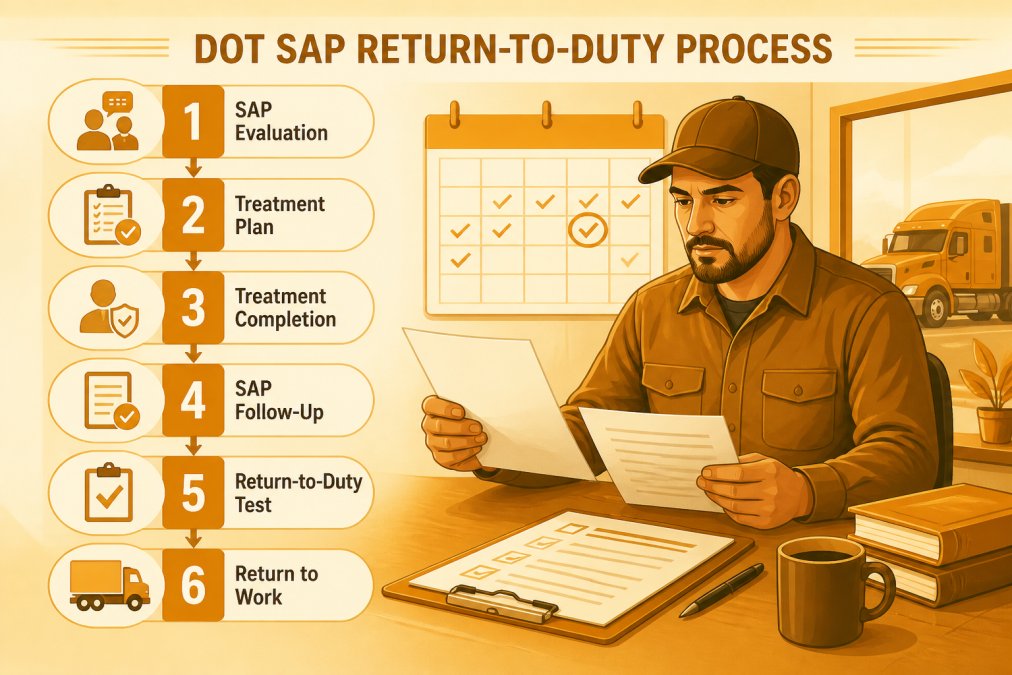
Online vs In-Person Anger Management Classes

Compare online and in-person anger management classes. Learn effectiveness, costs, court acceptance, and which format fits your needs. Find the right.

Table of Contents

Last Updated: August 19, 2026

Online vs In-Person Anger Management: Quick Comparison

The choice between online anger management vs in-person classes affects how well you retain information, whether you stay accountable, and ultimately whether the intervention changes your behavior. Research shows students mixing online and in-person sessions report higher satisfaction than those in purely online settings, yet the effectiveness gap between formats is smaller than most assume, structure predicts outcomes more than delivery method.

At AACS Counseling, we’ve worked with individuals navigating both pathways for over 25 years. Whether you need court-approved documentation, DOT-qualified evaluations, or genuine behavioral change, understanding these trade-offs helps you choose the format that works for your situation.

Aspect Online Classes In-Person Classes
Flexibility 24/7 access, self-paced options Fixed schedules, specific locations
Accountability Self-discipline required Group presence, instructor oversight
Cost Generally lower ($25-$70/session) Typically higher ($40-$70/session)
Interaction Limited peer connection Real-time group dynamics
Court Acceptance Yes, if certified Yes, universally accepted
Best For Busy schedules, remote areas Need for structure, group support
Pro Tip
If you’re court-ordered, verify that your chosen program is certified and accepted by your specific court or probation department. Not all online programs are recognized equally across jurisdictions. AACS Counseling’s programs carry court approval and include same-day documentation, critical if you’re working against a deadline.

Understanding Court-Ordered Anger Management Requirements

Court-ordered anger management classes exist because the legal system recognizes that behavioral intervention can prevent future incidents. When a judge mandates these classes, completion and certification are requirements for probation compliance, custody considerations, or driving privileges.

The core requirement is straightforward: you must complete a program designed to teach emotional regulation and conflict resolution skills. What varies is the intensity, duration, and format. Some courts require 8 hours of instruction; others mandate 26 weeks of weekly sessions. The program must cover specific content, anger triggers, coping mechanisms, communication techniques, and provide documentation proving completion.

The American Psychological Association reported in 2023 that the majority of licensed psychologists now use telehealth or hybrid services, reflecting a broader shift in how mental health interventions are delivered. Many court systems now accept online programs that meet accreditation standards, though acceptance varies by state and county.

Professional counselor conducting intake assessment with client in modern office setting, documents and intake forms visible on desk, natural window lighting

AACS Counseling provides same-day access to evaluation paperwork and certification documents. If your court date is in six weeks, this matters, many programs require days or weeks for documentation.

Your certificate must state that you completed a court-approved, evidence-based program. Verify before enrolling that your chosen program is explicitly accepted by your jurisdiction.

Watch Out
Some online anger management courses marketed as “court-approved” are actually generic self-paced modules with no instructor oversight. Courts increasingly scrutinize whether programs involve actual therapeutic intervention versus passive video consumption. Programs with live instructors or group sessions carry more weight in legal proceedings.

How Long Are Anger Management Classes and Program Duration

The duration of anger management classes ranges from 4 hours to 52 weeks, depending on the court mandate and incident severity.

Self-paced online courses typically run 4 to 16 hours total. You can complete them in days or spread them over weeks. These work if your court only requires basic certification.

Weekly group sessions (online or in-person) typically span 8 to 12 weeks, meeting once weekly for 1.5 to 2 hours. This format is more common for court-ordered cases because it builds accountability through regular attendance.

Intensive programs run 26 to 52 weeks, often combining group sessions with individual counseling. These are mandated when the incident was severe or when custody or employment is at stake.

Online learning can help students retain between 25% and 60% more information compared to traditional classroom settings, but only when the instruction is interactive and structured. A self-paced 4-hour module rushed through in an afternoon won’t stick the way a 12-week program with weekly accountability does.

AACS Counseling structures both online and in-person anger management classes with the same curriculum and instructor involvement. Whether you attend virtually or in person, you’re working with a qualified counselor who tracks your progress.

Key Takeaway
If your court requires certification quickly (within 30-45 days), a self-paced online course gets you compliant. If the goal is actual behavioral change and you have flexibility, a 12-week program with weekly sessions produces better long-term outcomes through repetition and accountability.

Effectiveness and Learning Outcomes: What the Research Shows

A 4-week online anger management program conducted by the Karolinska Institute’s Center for Psychiatry Research in 2025 showed measurable reductions in anger and aggression in 234 participants. This demonstrates that online delivery itself isn’t the limiting factor, quality instruction works regardless of format.

However, students in fully online-only environments report higher psychological distress than those in hybrid settings. According to ElTohamy et al.’s study of 59,250 undergraduate students, the isolation of pure online learning can intensify stress and anxiety. The practical implication: seek online programs with live group sessions rather than self-paced modules. Real-time interaction with an instructor and peers provides accountability and reduces isolation.

Diverse group of adults in video conference call on multiple screens, engaged in discussion with visible focus and concentration, natural office lighting visible through windows

Georgia Southern University’s 2023 research found that students taking about half their coursework online were more satisfied with their academic performance than those in purely in-person settings. This suggests a hybrid format combining flexibility with structure produces the best outcomes.

Research from the Journal of Research in Reading (2019) shows that reading from paper produces better retention than reading from screens. If your online program relies heavily on dense screen-based modules, you’re fighting biology. Programs using multimedia, interactive exercises, and discussion-based learning compensate for this effect.

Cost Comparison and Accessibility Factors

Self-paced online courses start at $25 and max out around $115 for comprehensive programs. Weekly group sessions typically cost $30-$70 per session. At 12 weeks, that’s $360-$840 total. Pricing for AACS Counseling’s services depends on the specific program and individual needs. Please contact AACS Counseling directly for current prices or a quote. telehealth company options.

Hidden costs include intake fees (typically $70), workbooks or materials, and travel time if in-person. If you’re driving an hour each way for weekly sessions, factor in gas and parking.

Online classes eliminate geographic barriers, if you live in a rural area or have mobility limitations, virtual attendance is transformative. In-person classes offer different accessibility: some people with ADHD or autism benefit from the structure of scheduled, in-person sessions with external scaffolding.

Online learning uses 85% fewer CO2 emissions per student compared to traditional classroom settings, which matters if sustainability is a factor.

Best For
Choose online if you have a busy, unpredictable schedule, live far from qualified instructors, or have mobility limitations. Choose in-person if you struggle with self-discipline, benefit from external structure, or need the accountability of showing up physically.

How to Handle Anger Management for Teens in Different Settings

Anger management for teenagers presents unique challenges because adolescent brains are still developing impulse control. The format you choose affects how a teen engages with the material.

Online anger management for teens works best when it includes real-time interaction, not self-paced modules. Live virtual group sessions with peers and an instructor create peer accountability and normalize the struggle.

In-person teen anger management classes often include specialized groups (teen-only, age-appropriate content) that create safer spaces for vulnerable disclosures. Teens are more likely to open up about triggers when with peers facing similar situations.

Teens benefit more from structure, peer modeling, and instructor relationships than adults do. A self-paced online course treats teens like independent learners they’re not yet equipped to be. Group-based formats use peer influence positively.

AACS Counseling offers both online and in-person anger management options; specialized teen programming is available in-person in the Atlanta area.

Watch Out
Never enroll a teen in a purely self-paced online course and assume completion means skill acquisition. Teens need accountability structures, real-time feedback, and peer interaction to actually change behavior. Monitor their engagement and ask what they’re learning.

Which Format Is Right for You

Choosing between online anger management vs in-person classes comes down to three factors: your timeline, your accountability style, and your learning preference.

Choose online if:

  • You have a strict deadline (court order in 30-45 days) and need fast certification
  • You work irregular hours or have childcare responsibilities
  • You live far from qualified instructors or have mobility limitations
  • You’re self-disciplined and can commit to weekly virtual sessions
  • You prefer privacy and anonymity

Choose in-person if:

  • You need external accountability and structure
  • You benefit from peer interaction and group dynamics
  • You want direct, real-time feedback from an instructor
  • You’re working through complex anger patterns requiring personalized guidance
  • You’re a teenager or young adult who benefits from mentorship

Choose hybrid if available:

  • You want flexibility plus accountability
  • You need to balance work and court requirements without sacrificing engagement
  • You want the option to adjust week-to-week

Structured learning, whether online or in-person, produces better outcomes than unstructured options. A self-paced online course completed passively won’t create lasting change. A weekly in-person session where you don’t engage won’t either.

AACS Counseling treats online and in-person anger management as equivalent pathways. The curriculum is identical, instructor involvement is the same, and accountability measures are consistent. Choose based on your life circumstances, not on assumptions about which format is "better."

Frequently Asked Questions

Are online anger management classes effective for court requirements?

Yes, online anger management classes can be effective and court-accepted when provided by certified, accredited programs. Research shows that learning outcomes depend more on instructional quality and student engagement than on delivery method. Computer-based anger management training can be as effective as in-person group therapy. Ensure the program is nationally recognized, provides a certificate of completion, and meets your jurisdiction's specific requirements before enrolling.

What are the main differences in how long anger management classes last?

Program durations vary significantly based on your needs and legal requirements. Options range from 4-hour intensive courses to 52-week comprehensive programs. Court-ordered classes typically require 8 to 12 hours minimum, though some jurisdictions mandate longer commitments. Self-paced online courses let you complete requirements on your timeline, while group-based formats (online or in-person) follow structured schedules. Always verify your court's specific duration requirement before enrolling.

How do I know if an online anger management class is accepted by the court?

Verify court acceptance by checking if the provider is listed on recognized directories like the California Association of Anger Management Providers (CAAMP) or National Anger Management Association (NAMA). Contact your court, probation officer, or attorney directly to confirm which programs they accept in your jurisdiction. Legitimate providers clearly state their court approval status and can provide documentation. Request a certificate of completion sample and enrollment verification letter before committing to confirm they meet your court's requirements.

What should I consider when choosing between online and in-person anger management for teens?

Consider your teen's learning style, schedule, and the level of support they need. In-person classes offer direct accountability, peer interaction, and immediate feedback from instructors, which many teens benefit from. Online options provide flexibility for busy schedules and anonymity some teens prefer. Research shows that structured, interactive formats work better for teens than purely self-paced courses. Many providers offer specialized teen groups with age-appropriate content. Discuss options with your teen and consult your court or school if the class is mandated.


If you’re facing a court-ordered anger management requirement or seeking to develop emotional regulation skills, the format matters less than finding a program with qualified instructors, structured curriculum, and accountability measures. AACS Counseling provides both online and in-person anger management classes with same-day documentation and evidence-based cognitive-behavioral interventions. Get a free quotation today and discuss which format aligns with your timeline and learning style.

This article was written using GrandRanker

Fast DOT Clearinghouse Reporting: A 2026 Guide

Learn how fast DOT Clearinghouse reporting works, why speed matters for CDL drivers, and how to meet 2026 compliance deadlines. Get started today.

What Is Fast DOT Clearinghouse Reporting?

Fast DOT Clearinghouse reporting refers to the rapid submission of drug and alcohol violation data to the Federal Motor Carrier Safety Administration’s centralized database within the federally mandated 24-hour window. The FMCSA Clearinghouse is a real-time database that tracks violations for all commercial driver’s license holders, and employers, medical review officers, and substance abuse professionals must report violations quickly to maintain compliance and protect public safety.

According to FMCSA Clearinghouse June 2025 Report, over 304,000 drivers have at least one documented drug or alcohol violation on record since the Clearinghouse launched, and 62% of those drivers remain in prohibited status, unable to legally operate commercial vehicles until they complete the return-to-duty process. As of 2026, the FMCSA enforces a strict 24-hour maximum reporting window for positive drug test results, alcohol violations, refusals to test, and substance abuse professional return-to-duty completions. Missing this deadline is a compliance violation that auditors flag consistently, creating cascading problems including audit flags, potential fines, and legal limbo for drivers.

At AACS Counseling, we’ve worked with drivers and employers navigating this challenge. The difference between fast reporting and slow reporting often determines whether a driver gets back on the road quickly or faces months of uncertainty.

Why Speed Matters: The 24-Hour Reporting Requirement

The 24-hour reporting requirement is the backbone of federal compliance for anyone operating commercial vehicles. Every positive drug test, alcohol violation, refusal to test, and return-to-duty completion must hit the Clearinghouse database within one business day, and employers who miss this deadline face direct accountability.

Fleet manager at desk reviewing compliance documents with clock visible in background, representing time-sensitive DOT Clearinghouse deadlines under bright office lighting

When a driver tests positive for drugs or alcohol, the medical review officer, employer, and substance abuse professional all operate on the same clock. Delays at any point compound the problem. According to Alex Elias, Head of Sales at U.S. Compliance Services, “Four of the top 10 audit violations in 2025 are directly tied to Clearinghouse issues.” Common violations include failure to run pre-employment queries, missing annual query deadlines, and not registering in the Clearinghouse system at all.

The financial stakes are significant. Some fleets have faced fines exceeding $125,000 for accumulated violations. Beyond money, when violations aren’t reported on time, drivers remain incorrectly flagged as prohibited even after completing the return-to-duty process, creating employment disputes, insurance complications, and long-term visibility problems.

Watch Out
Missing the 24-hour reporting deadline isn’t just a procedural mistake, it’s a federal compliance violation that triggers audit flags, potential fines, and keeps drivers illegally barred from driving even after they’ve completed their rehabilitation. The consequence is both financial and operational.

How to Avoid CDL License Suspension Through Timely Reporting

CDL license suspension isn’t automatic, it results from a specific chain of events, and timely reporting is the primary defense against it. As of November 18, 2024, state licensing agencies must query the Clearinghouse before issuing, renewing, upgrading, or transferring a CDL. If a driver shows as prohibited, the state has 60 days to complete the downgrade automatically.

The prevention strategy has three parts: fast reporting, accurate reporting, and completion of the return-to-duty process. Fast reporting means submitting violations within 24 hours. Accurate reporting includes all required information: driver’s name, CDL number, test result type, specimen type, and violation date. Return-to-duty completion is the exit path, a driver with prohibited status can only clear it by completing the substance abuse professional evaluation and any required treatment, then passing a return-to-duty test. As of mid-2025, more than 190,000 CDL holders are prohibited from driving, yet only 114,000 drivers have completed the return-to-duty process and are cleared to drive again.

The practical steps to avoid suspension:

  1. Register in the Clearinghouse immediately if you’re an employer or driver.
  2. Conduct pre-employment queries before hiring any driver.
  3. Establish a query schedule for annual checks on all current drivers with documented reminders.
  4. Report violations within 24 hours of receiving notification from the medical review officer or testing facility.
  5. Track return-to-duty progress for any driver in the SAP program, as missed follow-up tests are automatically flagged as of 2026.
Key Takeaway
Suspension happens when violations aren’t reported on time or the return-to-duty process stalls. Fast reporting keeps the driver’s path forward clear and prevents the state from automatically downgrading the CDL.

Understanding the FMCSA Clearinghouse Return-to-Duty Process

The return-to-duty process is the formal pathway for a prohibited driver to regain eligibility to drive commercially. It has specific steps that must be completed in order.

Step 1: SAP Evaluation. A qualified substance abuse professional conducts a face-to-face evaluation to determine the cause of the violation, assess substance abuse history, and recommend treatment if needed. The evaluation report must be uploaded to the Clearinghouse immediately after completion.

Step 2: Treatment Completion. If treatment is recommended, the driver completes it. This might be outpatient counseling, intensive programs, or other interventions depending on the SAP’s assessment.

Step 3: Return-to-Duty Test. After treatment is complete, the driver takes a return-to-duty drug and alcohol test. This test must be negative for the driver to proceed. The results are reported to the Clearinghouse.

Step 4: Follow-Up Testing. The driver enters a follow-up testing program for at least 12 months. Random drug and alcohol tests continue, and all results are reported to the Clearinghouse. Missed tests are now automatically flagged as of 2026.

Most drivers complete the process within 45-90 days if they stay compliant. The biggest delays happen when drivers miss appointments, skip follow-up tests, or don’t complete treatment as recommended. The SAP evaluation is thorough specifically because it’s designed to assess whether the driver has genuinely addressed the underlying issue.

DOT SAP Evaluation Requirements and Timeline

A DOT substance abuse professional evaluation is a specific assessment that meets federal standards and produces documentation that goes directly into the Clearinghouse. The evaluation must include a face-to-face interview with the driver, review of substance abuse history, assessment of violation severity, determination of whether treatment is necessary, and documentation of all findings in a report uploaded to the Clearinghouse.

At AACS Counseling, we conduct evaluations with the understanding that the driver’s livelihood depends on getting it right. We use evidence-based cognitive-behavioral interventions and commit to same-day documentation so the driver and employer aren’t left waiting for paperwork.

The initial appointment typically takes 1-2 hours. The SAP then uploads the evaluation report to the Clearinghouse within 24 hours. Treatment recommendations depend on evaluation findings and may include intensive outpatient programs, standard outpatient counseling, or both substance abuse treatment and mental health support. The return-to-duty test can typically be scheduled once treatment is complete, usually within 2-4 weeks of starting the program. Once the driver passes the return-to-duty test, the Clearinghouse is updated and the driver’s prohibited status is cleared.

Get a free quotation Today! →

Pro Tip
The SAP evaluation is the critical gateway to return-to-duty. A thorough, accurate evaluation completed and reported within 24 hours keeps the driver’s timeline moving forward. Delays in evaluation reporting add weeks to the overall process.

Common Mistakes That Delay Clearinghouse Reporting

Delays in Clearinghouse reporting usually come from predictable, preventable mistakes.

Mistake 1: Skipping pre-employment queries. A motor carrier hires a new driver without running a pre-employment Clearinghouse check. The driver later tests positive, and the employer gets cited for failing to run the pre-employment query. This is one of the most common violations auditors find.

Mistake 2: Missing annual query deadlines. An employer completes a pre-employment query but forgets the required annual query on existing drivers. Annual queries must be conducted every 12 months for all CDL drivers on staff.

Mistake 3: Incomplete violation reporting. A violation is reported but key information is missing, driver CDL number, test type, or specimen type. The query system can’t match the violation to the driver, and the driver’s record doesn’t update.

Mistake 4: Delays in uploading SAP evaluation results. The SAP completes the evaluation but doesn’t upload the report within 24 hours. The driver’s status doesn’t update and the return-to-duty timeline stalls.

Mistake 5: Failing to report return-to-duty test results. A driver completes the SAP program and passes the return-to-duty test, but the result isn’t reported to the Clearinghouse. The driver’s prohibited status remains in the system even though they’re cleared to drive.

Mistake 6: Not tracking follow-up test compliance. A driver enters the follow-up testing phase but misses a random test. As of 2026, missed follow-up tests are automatically flagged and reported to the Clearinghouse.

These mistakes share a common thread: process gaps. An employer or SAP program that builds the right systems, pre-employment query checklists, annual query calendars, automated violation reporting, same-day documentation, avoids most of these pitfalls.

Getting Fast Clearinghouse Support When You Need It

When you’re facing a Clearinghouse compliance issue or you’re a driver needing fast return-to-duty support, the quality of your service provider matters significantly.

Professional substance abuse counselor in consultation with client in modern office setting, reviewing compliance documentation and SAP evaluation paperwork with warm lighting

Fast support means same-day or next-day access to evaluation appointments, documentation completed and uploaded within 24 hours, clear communication about timelines, and expertise in DOT regulations. AACS Counseling offers DOT-qualified SAP evaluations with a commitment to same-day documentation. We understand that drivers are losing income every day they’re prohibited, and employers are facing audit liability with every day a violation isn’t reported.

When you contact a SAP program for fast support, ask these questions:

  • Can you schedule an evaluation within 48 hours?
  • Will you upload the evaluation report to the Clearinghouse within 24 hours?
  • Do you have experience with DOT Clearinghouse reporting?
  • What’s your treatment approach? Evidence-based cognitive-behavioral interventions are the standard.
  • Can you handle both the evaluation and ongoing treatment if needed?

Marijuana accounts for over 60% of all drug violations in 2025, with 16,746 positive tests year-to-date, according to the FMCSA Clearinghouse June 2025 Report. A qualified SAP program has experience with this specific violation type and understands the federal prohibition on marijuana for CDL holders despite state-level legalization.


When you’re facing a CDL suspension or a Clearinghouse compliance deadline, the difference between fast reporting and slow reporting is the difference between a manageable situation and a crisis. The 24-hour reporting requirement isn’t flexible, state license downgrades are automatic, and the return-to-duty process only moves forward when every step is completed correctly and on time.

AACS Counseling specializes in fast, accurate DOT SAP evaluations with same-day documentation and evidence-based cognitive-behavioral interventions. If you’re a driver needing to complete the return-to-duty process or an employer needing Clearinghouse compliance support, get a free quotation today and move forward with confidence.

Common Reporting Delays Cause Impact Prevention
Missing pre-employment query Employer failed to check Clearinghouse before hiring Audit violation + driver flagged incorrectly Establish pre-hire query checklist
Missed annual query deadline Employer forgot 12-month requirement Compliance failure + audit flag Calendar reminders + designated owner
Incomplete violation data Missing CDL number or test type Driver record doesn’t update Checklist for required fields
SAP evaluation not uploaded timely Report completed but not submitted within 24 hours Return-to-duty timeline stalls Same-day documentation commitment
Return-to-duty test not reported Driver passed but Clearinghouse not updated Driver remains prohibited despite clearance Automated reporting system
Missed follow-up tests Driver skips random test Automatic flag + further violations Compliance tracking system

Frequently Asked Questions

How long does it take for an MRO to report to the Clearinghouse?

As of 2026, Medical Review Officers must report positive drug test results, alcohol violations, and refusals to the Clearinghouse within 24 hours. The FMCSA enforces this strict timeline to ensure real-time database accuracy. Employers also have 24 hours to report violations they become aware of. Delays in reporting can result in audit findings and penalties, making speed critical for compliance.

What happens if an employer fails to report to the Clearinghouse?

Failure to report violations to the Clearinghouse is one of the top audit violations cited by the FMCSA. Employers face significant penalties, potential fines exceeding $125,000, and corrective action requirements. In 2025 alone, Clearinghouse-related violations accounted for four of the top 10 FMCSA audit findings. Additionally, employers now receive automated compliance alerts if they miss a required query or fail to upload a violation.

How do I initiate the return-to-duty process in the Clearinghouse?

To start the FMCSA Clearinghouse return-to-duty process, a driver must complete an evaluation with a DOT-qualified Substance Abuse Professional (SAP). The SAP will provide a treatment or education recommendation based on the violation. After completing the prescribed program, the driver takes a follow-up test. Once the test is negative, the SAP documents the completion in the Clearinghouse, clearing the driver’s prohibited status and allowing them to resume commercial driving.

Can I check my Clearinghouse record as a driver?

Yes, CDL drivers can check their own Clearinghouse record by logging into the official FMCSA Drug and Alcohol Clearinghouse portal at clearinghouse.fmcsa.dot.gov using their login.gov account. Drivers can view their violation status, return-to-duty progress, and any records reported by employers or SAPs. Regular monitoring helps drivers stay aware of their compliance status and track their path back to driving eligibility.

Evening Appointments for Court Evaluations: A Complete Guide

Evening appointments for court evaluations: Schedule evening court evaluations without disrupting work. Learn how to book same-day appointments, what to.

Why Evening Appointments Matter for Court Evaluations

Court-ordered evaluations don’t pause for your work schedule. If you’re facing a legal mandate to complete a substance abuse assessment, mental health evaluation, or other forensic assessment, the timing can feel impossible. Many individuals required to complete these evaluations work full-time jobs, and missing work can mean lost income, employer scrutiny, or jeopardized employment. Evening appointments transform the evaluation process from an obstacle into something manageable.

At AACS Counseling, we understand that accessibility matters. Whether you’re a commercial driver needing a DOT-qualified SAP evaluation to return to duty, someone facing custody assessment requirements, or an individual required to complete substance abuse assessment as part of a legal mandate, scheduling flexibility can mean the difference between meeting your deadline and scrambling at the last minute. If you can’t access the evaluation, you can’t move forward. Evening appointments remove that barrier entirely.

How to Schedule Evening Appointments for Court Evaluations

Scheduling an evening appointment for court evaluations requires your court documentation, a clear understanding of your timeline, and knowledge of what providers actually offer flexible scheduling.

Professional intake specialist sitting at a modern office desk with a computer calendar and documents, speaking with a client across the desk in a calm, well-lit clinical setting

Step 1: Gather Your Court Documentation

Before contacting any evaluation provider, collect all court-related paperwork, including your court order, sentencing documents, or any legal mandate specifying that you need a forensic assessment. Some courts specify the type of evaluation needed (substance abuse assessment, psychological evaluation, anger management assessment), while others leave that determination to the evaluator.

Your documentation should clearly state whether this is a court-ordered evaluation for criminal proceedings, custody evaluation, employment-related requirement, or DOT-mandated assessment. Write down your court date or any compliance deadline, as this is critical information that affects your scheduling options. If you’re unsure what type of evaluation your court order requires, contact your attorney or the court directly before scheduling.

Step 2: Contact Your Evaluation Provider

Call or visit the provider’s website to inquire specifically about evening appointments. When you contact AACS Counseling or another evaluation provider, be direct about your needs and provide your court documentation requirements and deadline.

A reputable provider will ask clarifying questions: What type of evaluation does your court order specify? When is your court date? Are you employed? These questions help them determine if evening scheduling is feasible. Ask about their same-day documentation process, you need evaluation paperwork quickly, not weeks later. AACS Counseling’s commitment to thorough, same-day documentation means you can complete your evening evaluation and walk out with the compliance paperwork your court requires.

Confirm the provider’s experience with your specific type of court-mandated evaluation. If you need a DOT-qualified SAP evaluation, verify they have DOT Clearinghouse reporting capability. If you’re facing a custody evaluation, ensure they have forensic psychology expertise.

Step 3: Confirm Your Evening Availability

Once you’ve identified a provider with evening slots, confirm the specific details: What time do evening appointments start and end? How long should you plan to be present? What documentation do you need to bring?

Understand the provider’s cancellation policy and verify the location and parking situation. Confirm the appointment in writing via email or text to protect both you and the provider if there’s any miscommunication.

What to Expect During a Court-Ordered Mental Health Evaluation

A forensic assessment isn’t therapy; it’s a structured clinical interview and standardized testing process designed to gather information for legal purposes. The evaluator’s role is to conduct an objective psychological assessment, not to judge you.

Mental health professional in professional attire conducting a consultation with a client in a private, comfortable consultation room with neutral décor and soft lighting

The Clinical Interview Process

The clinical interview is the foundation of any court-ordered mental health evaluation. The evaluator will ask detailed questions about your personal history, family background, substance use patterns, mental health history, employment, legal history, and the specific circumstances that led to the court mandate.

Be honest during this interview. The evaluation’s entire purpose is to provide accurate information to the court. Minimizing your substance abuse or mental health concerns doesn’t help you; it undermines the credibility of the entire assessment. The clinical interview typically lasts 60 to 90 minutes, and you can ask for clarification if you don’t understand a question.

Standardized Testing and Assessment Tools

After the clinical interview, most court-ordered evaluations include standardized psychological testing. These evidence-based assessments measure personality traits, psychological functioning, substance abuse risk, and other factors relevant to your legal case.

Standardized testing isn’t subjective. The evaluator follows a specific protocol, administers the same questions to everyone, and scores results using established criteria. This objectivity is precisely why courts rely on these assessments. The testing portion typically takes 60 to 120 minutes depending on the complexity of your case.

How Long Does a Court-Ordered Evaluation Take

A typical court-ordered evaluation takes between two to three hours from start to finish, including the clinical interview, standardized testing, and administrative processing. The exact duration depends on the complexity of your case and the specific type of evaluation. A DOT SAP evaluation typically takes about two hours, while a custody fitness evaluation often takes longer because it requires more detailed exploration of parenting capacity and family dynamics.

Get a free quotation Today! →

Evening appointments don’t change the duration; they just shift the timing. If you’re scheduling an evening appointment, understand that a 5 p.m. start time might mean you’re not finished until 7:30 or 8 p.m.

Court-Ordered Substance Abuse Evaluation Cost and Payment Options

Cost for court-ordered substance abuse evaluations varies based on the evaluation type, provider location, and the complexity of your case. Many providers accept insurance, which can significantly reduce your out-of-pocket cost. Contact your insurance provider to understand your coverage before scheduling.

Payment plans are often available. If cost is a barrier, discuss this directly with your provider. Ask about what’s included in the evaluation cost: the clinical interview and standardized testing, the written evaluation report, and whether same-day documentation is included or costs extra.

Preparation Tips for Your Evening Evaluation Appointment

Start by reviewing your court documentation one more time and bring a copy with you to the appointment. Prepare a brief personal timeline with key dates and events relevant to your evaluation: when your substance abuse began, major life events, previous treatment attempts, and employment history.

Get adequate sleep the night before your appointment and eat a light meal beforehand. Avoid heavy caffeine right before the appointment. Wear comfortable, professional clothing and arrive 10 to 15 minutes early to complete intake paperwork and settle your nerves.

During the interview, answer questions directly and honestly. The evaluator’s job is to gather accurate information, not to judge you. Honesty serves your interests better than any other approach.

What Happens After Your Court-Ordered Evaluation

Your evaluator will prepare a written evaluation report within a specified timeframe. This report documents the clinical interview, summarizes standardized testing results, and provides clinical conclusions relevant to your court case. Review it carefully, and if you believe there are factual errors, contact your attorney immediately.

If your evaluation includes treatment recommendations, such as substance abuse counseling or anger management classes, understand that recommendations aren’t optional. The court will expect you to follow through. For DOT SAP evaluations, your evaluator will report your results to the DOT Clearinghouse within 24 hours, and you can then begin your prescribed treatment or education program.

Document your completion of any post-evaluation requirements and keep records of treatment attendance. These documents prove compliance if the court requests verification.

Navigating court-ordered evaluations feels overwhelming when you’re already managing work, family, and legal deadlines. Evening appointments for court evaluations transform an impossible scheduling conflict into a manageable reality.

AACS Counseling brings 30 years of experience helping individuals move through court-ordered evaluations efficiently and professionally. With same-day access to evaluation paperwork, DOT Qualified SAP Program expertise, and a commitment to evidence-based cognitive-behavioral interventions, AACS Counseling specializes in turning legal challenges into catalysts for positive change. Get a free quotation today and take the first step toward meeting your court requirements without sacrificing your job or your peace of mind.

Frequently Asked Questions

Can I complete my court-ordered evaluation in the evening?

Yes. Many evaluation providers, including AACS Counseling, offer evening and weekend appointments specifically to accommodate working professionals and individuals with daytime obligations. Evening appointments for court evaluations allow you to meet your legal requirements without disrupting your employment or other responsibilities. Availability varies by provider, so confirm scheduling options when you contact them about your court-ordered assessment.

How long does a court-ordered evaluation take?

Most court-ordered evaluations typically take 2 to 4 hours, depending on the type of assessment and complexity of your case. A substance abuse evaluation may take 2-3 hours, while a comprehensive mental health or forensic assessment could extend to 4 hours or more. The clinical interview, standardized testing, and documentation review all contribute to the total time. AACS Counseling provides same-day documentation, so you’ll receive your evaluation report promptly after completion.

What documentation do I need to bring to my court evaluation?

Bring your court order or legal mandate, a valid photo ID, insurance information (if applicable), and any prior mental health or substance abuse records. Some evaluations also require employment verification or references. Contact your evaluation provider ahead of time to confirm the specific documentation needed for your case. Having everything prepared ensures your appointment runs smoothly and your evaluation can be completed efficiently.

How much does a court-ordered evaluation typically cost?

Court-ordered evaluation costs vary based on the type of assessment, your location, and whether insurance coverage applies. Substance abuse evaluations, mental health assessments, and forensic evaluations each have different pricing structures. For accurate pricing information specific to your situation, contact AACS Counseling directly for a free quotation. Many providers offer flexible payment options and can work with you on affordability, especially for court-mandated requirements.

How to Complete a DOT SAP Evaluation Fast

Need to complete your DOT SAP evaluation quickly? Follow this step-by-step guide covering the full process, timeline, costs, and return-to-duty steps.

What a DOT SAP Evaluation Actually Involves

A DOT SAP evaluation is a formal clinical assessment required by federal regulations before a safety-sensitive transportation employee can return to work after a drug or alcohol violation. The process is mandatory and one of the most time-sensitive compliance hurdles a commercial driver will face. At AACS Counseling, we work with CDL holders and transportation workers every week who need to move through this process efficiently without cutting corners that could void their clearance.

The evaluation is conducted by a Substance Abuse Professional, a credentialed clinician qualified under Department of Transportation standards to assess violations, recommend appropriate treatment or education, and authorize a return-to-duty drug screen. The SAP does not make employment decisions, their job is clinical compliance, not gatekeeping your career.

The DOT SAP program is a defined sequence of steps, each with its own documentation requirements. Skipping a step, working with an unqualified provider, or failing to report correctly to the FMCSA Clearinghouse can reset the entire process. Speed comes from understanding the sequence, not from rushing individual steps.

Who Needs a SAP Evaluation

Any employee who performs safety-sensitive functions under DOT authority and who has violated federal drug and alcohol testing regulations must complete the SAP process before returning to those duties. This includes CDL holders regulated by FMCSA, pipeline workers under PHMSA, aviation personnel under FAA, and transit employees under FTA. A positive drug screen, a confirmed alcohol test at or above the regulatory threshold, a refusal to test, or an adulterated specimen all trigger the requirement.

What Federal Regulations Govern the Process

The SAP program operates under 49 CFR Part 40, the DOT drug and alcohol testing procedures rule, which establishes every requirement from initial evaluation through follow-up testing. Employers must also report violations to the FMCSA Drug and Alcohol Clearinghouse, a federal database that tracks CDL holders’ violation history. No employer can allow a safety-sensitive employee to return to duty without a completed SAP process and a negative return-to-duty drug screen on record.


DOT SAP Program Timeline: Step by Step

The DOT SAP program follows a strict four-step sequence. Understanding each step prevents delays, as most slowdowns occur when drivers arrive unprepared or work with non-DOT-qualified providers.

Step Action Who Is Responsible
1 Initial clinical assessment DOT-qualified SAP
2 Treatment or education referral SAP, based on assessment
3 Follow-up evaluation and clearance SAP, after program completion
4 Return-to-duty drug screen and Clearinghouse reporting Employer and SAP

Step 1: Initial Clinical Assessment

The initial evaluation is a face-to-face or telehealth interview conducted by a DOT-qualified Substance Abuse Professional. The SAP reviews the nature of the violation, your substance use history, and relevant clinical factors. This is a structured clinical interview that results in a written recommendation, not a drug test.

The SAP’s recommendation falls into one of two categories: education or treatment. Education programs are typically shorter and recommended when the violation is isolated and does not indicate a substance use disorder. Treatment referrals involve more intensive intervention. The SAP determines which path is appropriate based on clinical assessment.

Step 2: Treatment or Education Referral

After the initial assessment, you must complete whatever the SAP recommends. This is non-negotiable. Attempting to negotiate a lighter program or skipping portions will disqualify you from clearance. The fastest path is to enroll immediately and communicate your timeline to the program provider upfront.

Step 3: Follow-Up Evaluation and Clearance

Once you have completed the recommended program, you return to the SAP for a follow-up evaluation. The SAP confirms satisfactory completion and determines whether you are ready to return to safety-sensitive duties. This second evaluation results in a written report to your employer.

The follow-up evaluation cannot happen until the program is genuinely complete. Submitting incomplete documentation creates delays that can push your return-to-duty date back significantly.

Step 4: Return-to-Duty Drug Screen and Clearinghouse Reporting

After the SAP issues clearance, your employer orders a directly observed return-to-duty drug screen. A negative result is required before you can perform safety-sensitive functions. The employer must also report the completed SAP process to the FMCSA Clearinghouse. Until that entry is updated, you remain prohibited from operating a commercial vehicle.

How to Prepare for a SAP Evaluation Interview

Preparation is the single biggest variable you control in how fast the evaluation process moves. Drivers who arrive organized, honest, and informed move through the initial assessment more smoothly than those who show up without documentation.

A person sitting at a clean desk organizing printed documents and a folder before a counseling appointment, with a pen, notepad, and identification card visible under warm office lighting

Documents to Gather Before Your Appointment

Bring the following to your initial evaluation:

  • A government-issued photo ID
  • Your CDL, if applicable
  • Documentation related to the violation, including test results or employer notification letters
  • Contact information for your employer or designated employer representative
  • Any prior substance abuse treatment records, if relevant
  • Insurance information or payment method

Having documentation on hand prevents the evaluation from being paused while you track down records.

What the Assessment Interview Covers

The assessment interview is a structured clinical conversation. The SAP will ask about the circumstances of the violation, your substance use history, your work history, and any prior treatment. They may also ask about your support system and current living situation.

A common mistake is trying to minimize or explain away the violation. Honest, straightforward answers move the process forward. Evasive or inconsistent answers raise clinical flags that can lead to a more intensive treatment recommendation, extending your timeline.

Pro Tip
Write a brief timeline of events before your appointment. Include the date of the violation, any notifications from your employer, and any steps you have already taken. This helps the SAP conduct a thorough assessment efficiently and demonstrates engagement with the process.

Telehealth vs. In-Person DOT SAP Evaluations

Telehealth DOT SAP evaluations are permitted under federal guidelines and have become a practical option for drivers who cannot easily travel to a counselor’s office. The clinical process is identical to an in-person session, and a qualified SAP can conduct a compliant evaluation via secure video platform.

A licensed counselor in a tidy, well-lit office conducting a video call session on a laptop, with a notepad and credentials visible on the desk behind them

Telehealth works well for the initial and follow-up evaluations and eliminates travel time, which matters if you live in a rural area or have scheduling constraints. For drivers managing tight deadlines, the ability to schedule a telehealth session in the evening or on a weekend can shave days off the overall timeline.

Get a free quotation Today! →

The limitation is that telehealth cannot replace the directly observed return-to-duty drug screen, which must be conducted in person at a certified collection site. That step happens after the SAP process is complete, so it does not affect your evaluation timeline.

Watch Out
Not every provider offering telehealth SAP evaluations is DOT-qualified. Before scheduling any evaluation, confirm that the Substance Abuse Professional holds current DOT credentials and is familiar with FMCSA Clearinghouse reporting requirements. An evaluation conducted by an unqualified provider will not satisfy DOT requirements, and you will have to start over.

SAP Evaluation Cost Breakdown: What to Expect

The cost of a DOT SAP evaluation varies based on the provider, your location, the format, and whether you require follow-up sessions. There is no federally mandated fee schedule.

Most drivers should expect to pay for at minimum two separate SAP appointments: the initial evaluation and the follow-up evaluation after program completion. If the SAP recommends a treatment or education program, that program carries its own cost, separate from the SAP’s fees. Some insurance plans cover portions of the SAP process, particularly if the recommended program involves clinical treatment.

The instinct to find the cheapest provider is understandable, but a non-compliant or incomplete evaluation costs far more in the long run, both in lost wages and in the time required to restart the process. Prioritize a DOT-qualified provider with a clear documentation process over the lowest price point.

For current pricing information, contact AACS Counseling directly to get a clear picture of what your specific situation requires.

Key Takeaway
The true cost of the SAP process includes the initial evaluation, the follow-up evaluation, and any recommended treatment or education program. Budget for all three components before you begin, and ask your provider to outline the full expected cost in writing.

What Happens After the Evaluation: Follow-Up Testing and Monitoring

Clearance from the SAP is not the end of the compliance obligation. Federal regulations require that drivers who return to safety-sensitive functions after a violation be placed on a follow-up testing plan. This plan must include at minimum six unannounced drug and alcohol tests in the first twelve months following return to duty. The SAP has discretion to extend the testing plan up to five years based on clinical judgment.

According to 49 CFR Part 40, Subpart O, follow-up testing requirements, the follow-up testing schedule is set by the SAP and communicated to the employer. The employer is responsible for ensuring the tests are conducted. Tests are always unannounced.

A common mistake is assuming that passing the return-to-duty drug screen ends the monitoring period. It does not. Drivers who violate the follow-up testing requirements, including a positive test during the monitoring period, trigger a new SAP referral and restart the process.

Post-evaluation monitoring also involves Clearinghouse reporting. Any follow-up test results must be reported to the FMCSA Clearinghouse by the employer. Drivers should confirm with their employer that reporting is happening correctly, because errors in Clearinghouse records can affect future employment eligibility.

What to Do If You Disagree With the SAP Recommendation

Disagreeing with a SAP recommendation is more common than most drivers expect. Understanding your options is important, because the wrong response can make your situation significantly worse.

The SAP’s recommendation is not a legal verdict. It is a clinical determination. You have the right to seek a second opinion from another DOT-qualified Substance Abuse Professional. If a second SAP reaches a different conclusion, that disagreement must be resolved through a process outlined in 49 CFR Part 40.

What you cannot do is ignore the recommendation and proceed as if the evaluation did not happen. Attempting to return to safety-sensitive duties without completing the SAP process constitutes a regulatory violation that can result in permanent disqualification.

When you disagree, ask the SAP to explain the clinical basis for the recommendation in writing. Understanding the reasoning often clarifies whether a second opinion is warranted or whether the recommendation is more appropriate than it initially appeared.

Pro Tip
If you believe the SAP’s recommendation does not reflect your actual clinical situation, document your concerns in writing and consult with a DOT compliance attorney before taking any action. An attorney familiar with 49 CFR Part 40 can advise you on the formal dispute process without jeopardizing your return-to-duty eligibility.

Last Updated: August 16, 2026


The hardest part of the DOT SAP process is navigating a tightly regulated sequence under time pressure, often while managing income loss and employer uncertainty. AACS Counseling offers a DOT-qualified SAP program with same-day documentation and 24-hour Clearinghouse reporting, so drivers are not left waiting on paperwork when every day off the road carries a real cost. With over 25 years of experience in compliance-focused evaluations, AACS Counseling is built for exactly this situation. Get a free quotation today and find out how quickly your return-to-duty process can begin.

Frequently Asked Questions

How long does a DOT SAP evaluation take to complete?

The initial clinical assessment typically takes one to two hours. After that, the total DOT SAP program timeline depends on the treatment or education program your Substance Abuse Professional recommends. A minimum education program can be completed in a matter of days, while a full treatment referral may take several weeks. Prompt compliance at each step is the single biggest factor in how fast you complete the process and regain eligibility for safety-sensitive functions.

Can I complete my SAP evaluation online?

Yes. Many DOT-qualified SAP counselors offer telehealth assessments that satisfy FMCSA and DOT regulatory requirements, provided the platform meets federal privacy and verification standards. A telehealth evaluation can be scheduled faster than an in-person appointment in many cases, which is helpful when you are working against a tight deadline. Confirm with your provider that their telehealth option is accepted for DOT Clearinghouse reporting before booking.

What happens if I do not follow the SAP’s recommendations?

If you fail to complete the prescribed treatment or education program, your SAP cannot issue a follow-up clearance. Without that clearance, your employer cannot legally return you to safety-sensitive duties, and your violation remains active in the DOT Clearinghouse. Continued non-compliance can result in permanent disqualification from DOT-regulated positions. If circumstances change during your program, contact your SAP counselor directly rather than simply stopping participation.

How much does the DOT SAP process cost?

The SAP evaluation cost breakdown varies by provider, geographic area, and the level of treatment or education your assessment recommends. The initial evaluation fee, any required education or treatment program, and the follow-up evaluation are typically billed separately. Insurance coverage for these services also differs. Request a full cost breakdown from your provider before starting so you can plan accordingly. Contact AACS Counseling directly for current pricing information.

How to Avoid CDL License Suspension: 2026 Guide

Learn how to avoid CDL license suspension with FMCSA rules, DUI impacts, appeal steps, and reinstatement tips. Protect your driving privileges today.

Understanding CDL License Suspension and Disqualification

CDL license suspension is one of the most career-threatening events a commercial driver can face. At AACS Counseling, we work with DOT-regulated drivers every week navigating violations they didn’t fully understand before they occurred. This guide breaks down how disqualification works, what triggers it, and concrete steps you can take to protect your livelihood.

CDL disqualification is the formal process by which the Federal Motor Carrier Safety Administration (FMCSA) or a state authority removes a driver’s commercial driving privileges, either temporarily or permanently. It differs from a standard license suspension in one critical way: the consequences apply even when you’re driving your personal vehicle, not just a commercial motor vehicle.

How the Points System and Motor Vehicle Record Work

Every traffic citation gets recorded on your motor vehicle record (MVR). For CDL holders, this record is more consequential because employers, insurers, and the FMCSA all review it. Most states operate a points system where violations carry weighted values. Accumulate enough points within a defined window, and you trigger a mandatory suspension review.

The critical difference for commercial drivers is that your MVR follows you across state lines. The Commercial Driver’s License Information System (CDLIS) links records nationally, so a citation in one state appears on your record in your home state.

Pro Tip
Pull your MVR at least once a year before your employer or the FMCSA does. Errors on driving records are common, and correcting them proactively is far easier than disputing them during a suspension proceeding.

Interstate vs. Intrastate Nuances That Catch Drivers Off Guard

Interstate CDL holders operate under federal FMCSA regulations, which set the floor for disqualification standards. Intrastate drivers, those who operate exclusively within one state, may face slightly different thresholds set by state law, but they are not exempt from federal oversight when their violations involve federally regulated offenses. Assuming intrastate status provides a buffer is a costly misconception.

FMCSA Disqualification Rules Every CDL Holder Must Know

The FMCSA driver disqualification regulations establish two tiers of violations: major offenses that trigger mandatory suspension on the first occurrence, and serious traffic violations that require a pattern before disqualification kicks in.

Major Offenses That Trigger Mandatory Suspension

Major offenses under federal regulations result in disqualification on the first conviction. These include:

  • Operating under the influence of alcohol or a controlled substance
  • Refusing to submit to a required alcohol or drug test
  • Leaving the scene of an accident involving a commercial motor vehicle
  • Using a commercial motor vehicle to commit a felony
  • Causing a fatality through negligent operation

A first-time major offense typically results in a one-year disqualification. If the offense involves transporting hazardous materials, that period extends to three years. A second major offense results in lifetime disqualification, though drivers may petition for reinstatement after ten years under specific conditions outlined by the FMCSA.

Serious Traffic Violations and Their Consequences

Serious traffic violations are a different category. A single serious violation doesn’t trigger disqualification, but two within three years results in a 60-day disqualification, and three or more within three years results in 120 days.

Serious violations include:

  • Excessive speeding, generally defined as 15 mph or more over the posted limit
  • Reckless driving
  • Improper or erratic lane changes
  • Following too closely
  • Violating traffic control laws at a railroad-highway grade crossing
  • Operating a CMV without obtaining a CDL

The violation history doesn’t reset when you change employers. The CDLIS and state MVR records are permanent unless successfully expunged or challenged through appropriate legal channels.

CDL Disqualification for DUI: What the Rules Actually Say

CDL disqualification for DUI is the single most misunderstood area of commercial driver law. The federal blood alcohol concentration threshold for CDL holders operating a commercial motor vehicle is 0.04%, exactly half the 0.08% standard applied to non-commercial drivers.

A commercial truck driver sitting at a table reviewing legal documents with a focused, serious expression, paperwork and a pen visible in front of him, under warm office lighting

A first DUI conviction results in a one-year CDL disqualification, regardless of whether the offense occurred in a CMV or a personal vehicle.

How Non-CMV Offenses Affect Your Commercial License

A DUI in your personal car can end your commercial driving career. Federal regulations make clear that major offenses committed in any vehicle, commercial or personal, count toward CDL disqualification. The underlying charge is what matters, not the vehicle type.

Watch Out
A DUI conviction in your personal vehicle triggers mandatory CDL disqualification under federal law. Do not wait for a conviction to seek legal advice.

The practical implication for any CDL holder facing a DUI charge is immediate: consult a traffic attorney before entering any plea. A negotiated reduction to a lesser charge may preserve your commercial driving privileges.

How to Appeal a CDL Suspension Before It Costs You Your Career

Most drivers don’t realize they have a window to challenge a suspension before it takes effect. The appeal process is real and worth pursuing aggressively.

Requesting a DMV Hearing and Building Your Defense

When a CDL suspension is triggered, you typically have a limited number of days from the notice date to request an administrative hearing. Missing that window forfeits your right to contest the action. The exact timeline varies by state, so check your state DMV’s procedures immediately upon receiving any suspension notice.

At the hearing, the burden is on you to demonstrate that the suspension is factually or procedurally incorrect. Common grounds for challenge include errors in the citation, procedural violations by law enforcement, calibration records for testing equipment, and witness testimony contradicting the officer’s account.

Hiring an attorney who specializes in CDL defense is an investment. A traffic attorney familiar with commercial driver law can identify procedural errors, negotiate with prosecutors for reduced charges, and represent you at administrative hearings in ways that self-represented drivers cannot.

Get a free quotation Today! →

A negotiated reduction from a disqualifying offense to a lesser violation can mean the difference between keeping your CDL and losing your livelihood. The cost of an attorney is almost always less than the income lost during even a 60-day disqualification.


CDL Reinstatement Process: Steps Back to Active Status

CDL reinstatement is a structured process, not a simple form submission.

Step Action Required Timeline
1 Complete mandatory disqualification period Varies by offense
2 Complete SAP evaluation and recommended treatment Depends on SAP findings
3 Pass return-to-duty drug/alcohol test Before reinstatement
4 Submit reinstatement application to state DMV Processing time varies
5 Pay reinstatement fees At application
6 Follow-up testing program Up to 5 years post-reinstatement

DOT SAP Evaluations and the Return-to-Duty Pathway

For drivers disqualified following a drug or alcohol violation, the return-to-duty pathway requires a DOT-qualified Substance Abuse Professional evaluation. The SAP assesses the driver, recommends education or treatment, and must certify compliance before the driver can return to safety-sensitive functions.

AACS Counseling’s DOT Qualified SAP Program includes 24-hour Clearinghouse reporting and same-day documentation to help drivers meet tight reinstatement deadlines. The SAP process is not optional and cannot be bypassed. The DOT return-to-duty requirements are explicit that no driver may return to safety-sensitive duties until the SAP process is fully completed and documented in the FMCSA Drug and Alcohol Clearinghouse.

Restricted Driving Permits and Ignition Interlock Requirements

Some states offer restricted driving permits that allow limited driving privileges during a suspension period, typically for essential travel such as work commutes or medical appointments. For DUI-related suspensions, an ignition interlock device is commonly required as a condition of any restricted permit. CDL holders should confirm with their state DMV whether restricted permits are available for commercial vehicles.

Proactive Steps to Avoid CDL License Suspension

The best strategy for avoiding CDL license suspension is building a compliance culture before a violation occurs.

A professional CDL driver in a safety vest standing beside a large commercial truck, checking a clipboard with a confident and attentive posture, in a well-lit freight yard during daytime

Pre-Suspension Audits: Reviewing Your Violation History

Conduct a formal review of your motor vehicle record at least annually. Request your MVR from your state DMV and look for violations that appear incorrectly coded, citations from other states that may not have been properly adjudicated, points accumulation approaching threshold levels, and any entries you don’t recognize. Address discrepancies through the formal dispute process immediately.

Mental Health, Fatigue Management, and Safe Driving Practices

Fatigue is one of the leading contributors to serious traffic violations among commercial drivers. Hours-of-service regulations exist because chronic sleep deprivation impairs reaction time and judgment. Drivers struggling with stress, substance use, or mental health challenges face elevated risk of the kinds of impulsive decisions that lead to violations. Evidence-based interventions give drivers concrete tools for managing the psychological pressures of the job.

Insurance Premium Mitigation After a Traffic Citation

A traffic citation drives up insurance premiums for both you and your employer. Completing a certified defensive driving course after a citation can sometimes be used in negotiations with insurers or in traffic court to demonstrate corrective action. Document every remediation step: course completion certificates, counseling program documentation, clean drug test results.

Employer Responsibilities and Driver Training Programs

Employers operating commercial fleets carry significant regulatory compliance obligations. Under FMCSA regulations, carriers must investigate the driving record of every CDL applicant before hiring and conduct annual MVR reviews for all drivers.

Forward-thinking carriers invest in driver training programs that address behavioral and situational factors leading to violations: fatigue recognition, stress management, and decision-making under pressure. According to the FMCSA safety management guidelines for carriers, carriers that implement structured driver safety programs consistently demonstrate lower violation rates. Employer investment in driver wellness, including access to counseling resources, is increasingly recognized as a core component of fleet safety.

Protecting a commercial driver’s license requires active record management, a clear understanding of federal disqualification rules, and a plan for when violations occur. For drivers already facing a suspension or required SAP evaluation, the timeline for action is shorter than most realize. AACS Counseling’s DOT Qualified SAP Program offers same-day documentation and 24-hour Clearinghouse reporting, designed specifically for drivers who cannot afford delays in the return-to-duty process. Get a free quotation Today! and take the first concrete step toward getting back on the road.

Frequently Asked Questions

How long does a CDL suspension last?

The length depends on the offense. Under FMCSA disqualification rules, a first major offense such as operating under the influence results in a minimum one-year disqualification. A second major offense triggers a lifetime disqualification. Serious traffic violations like excessive speeding or reckless driving can result in 60-day or 120-day suspensions when multiple violations occur within a three-year window. State-level administrative actions may add time beyond the federal minimums.

Does a personal vehicle DUI affect my CDL?

Yes. CDL disqualification for DUI applies even when the offense occurs in a personal, non-commercial vehicle. Federal regulations treat an operating-under-the-influence conviction in any vehicle as a major offense against your commercial driver’s license. This means your CDL driving privileges can be suspended even if you were off duty and driving your own car. Completing a DOT-qualified SAP evaluation is typically required before any reinstatement process can begin.

How do I get my CDL back after suspension?

The CDL reinstatement process generally involves satisfying any criminal or administrative penalties, completing a DOT SAP evaluation if a substance offense was involved, providing proof of compliance to your state DMV, and paying reinstatement fees. If an ignition interlock device is required, it must be installed before driving privileges are restored. Timeline varies by state and offense severity, so contact your state DMV and a qualified SAP provider early to avoid delays in returning to duty.

What traffic violations lead to automatic CDL disqualification?

Major offenses under FMCSA rules that trigger automatic disqualification include operating under the influence of alcohol or drugs, refusing a chemical test, leaving the scene of an accident, using a commercial motor vehicle in a felony, and causing a fatality through negligent operation. Serious traffic violations such as excessive speeding, unsafe lane changes, and following too closely can also lead to disqualification when two or more occur within a three-year period.

Can I appeal a CDL suspension?

Yes. Drivers can challenge a suspension through an administrative hearing with their state DMV. The hearing gives you the opportunity to contest the underlying charge, present evidence, or seek a negotiated reduction. Requesting legal representation experienced in traffic court and CDL cases significantly improves outcomes. Time limits for requesting a hearing are strict, so act immediately after receiving a suspension notice to preserve your right to appeal.

How do I keep my CDL active and avoid suspension?

Maintaining your CDL requires consistent attention to your motor vehicle record, safe driving practices, and regulatory compliance. Pull your driving record at least once a year to catch any errors or unresolved citations. Attend driver training refreshers, manage fatigue through proper rest schedules, and address any substance use concerns before they become violations. If you receive a citation, contest it promptly rather than paying it automatically, since a guilty plea adds points to your record.

Call Now